Dubai International Airport (DXB) just hit the brakes. If you've been following the news today, Monday, March 16, 2026, you know the world's busiest international hub is currently a ghost town. A drone strike hit a fuel tank right in the airport's backyard, sparking a fire and forcing authorities to pull the plug on all flight operations.
It's the 17th day of the intensifying conflict involving the US, Israel, and Iran, and the ripple effects are slamming into the aviation world hard. You shouldn't even think about heading to the airport right now unless your airline has specifically told you your flight is a go. Most aren't. If you liked this post, you might want to read: this related article.
The Chaos on the Ground at DXB
Early this morning, a drone made its way into the high-security perimeter of DXB and struck a Jet A-1 fuel storage tank. While the Dubai Civil Defence teams were fast—honestly, their response time is the only reason this isn't a total catastrophe—the fire was significant enough to halt everything. They've contained the blaze and thankfully, nobody's reported injured yet.
But the physical fire is only half the problem. The security breach is the real headache. When a drone gets that close to the runways of a primary global artery, every safety protocol in the book kicks in. For another look on this event, check out the latest coverage from National Geographic Travel.
- Diversions are everywhere. Flights are being rerouted to Al Maktoum International (DWC) or even Sharjah.
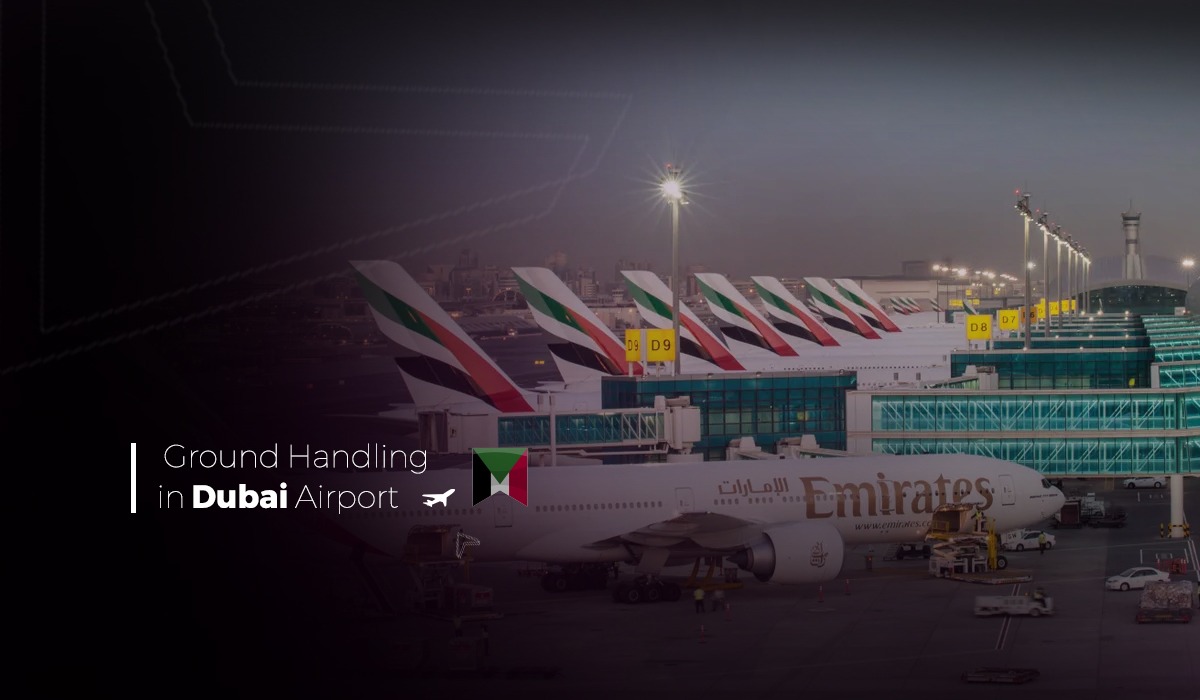
- Emirates has frozen operations. The flagship carrier isn't taking chances. They've told everyone to stay home.
- Roads are blocked. Dubai Police shut down Airport Road, the Airport Tunnel, and even parts of the Al Garhoud Bridge.
If you're stuck in the terminal or sitting on a tarmac elsewhere, you're feeling the weight of a regional war that's no longer just "over there." It's right here, affecting your connection to London, New York, or Mumbai.
The Brutal Reality of Regional Airspace
Let's be real: the Middle East is the world's transit lounge. When DXB, Etihad's hub in Abu Dhabi, or Qatar's Hamad International get caught in the crossfire, the global network doesn't just bend—it breaks. Since late February, we've seen over 20,000 flight cancellations across the region.
Iran has reportedly fired over 1,800 missiles and drones at the UAE alone since this started. While the "Iron Dome" style defenses in the Emirates are picking off the vast majority, it only takes one lucky shot to shut down a billion-dollar airport. We aren't just talking about a "precautionary delay" anymore. This is a structural shift in how we have to think about flying through the Gulf.
The Hidden Costs You’ll See Soon
You might think a canceled flight is the worst of it, but your wallet's about to take a hit regardless of where you're flying.
- Fuel Surcharges: Jet fuel prices have screamed past $150 a barrel. Airlines like Air India are already slapping $50 to $85 extra on long-haul tickets just to cover the gas.
- Insurance Spikes: War-risk insurance for planes flying near the Gulf has jumped by 500% in some cases. Someone has to pay for that, and it's usually the person in seat 22B.
- Longer Routes: To avoid the "danger zones," pilots are flying the long way around. Adding two or three hours to a flight isn't just annoying; it burns thousands of gallons of extra fuel.
The Drone Threat Isn't Going Away
Today's incident follows a similar scare on March 11 where drones fell near the airport. It's becoming a pattern. These aren't hobbyist drones from a local electronics store; they're loitering munitions designed to cause chaos.
Aviation experts have been warning about this for years. While airports have "jamming" technology, it's a cat-and-mouse game. The GPS spoofing reported over the Gulf FIRs (Flight Information Regions) makes navigation a nightmare for commercial pilots who rely on precision. Honestly, the fact that more incidents haven't happened is a testament to how hard the ground crews and air defense units are working.
What You Should Do If You Are Scheduled to Fly
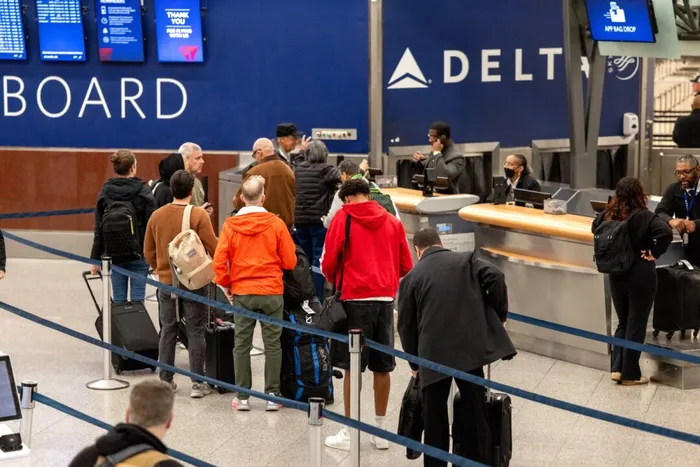
Don't be the person who shows up at the terminal hoping for the best. You'll just end up sitting on your suitcase in a crowded hall with a thousand other frustrated people.
- Check the App, Not the Board: Airline apps are updated faster than the big screens at the airport.
- Secure a Refund or Re-book Now: If your flight is diverted or canceled, the lines at the service desk will be miles long. Use the airline’s chat function or call their international support lines immediately.
- Look North: If you absolutely must travel between Europe and Asia, look for routes that stay well north of the Gulf. They'll be more expensive, but they're less likely to be grounded by a "drone-related incident."
The situation at Dubai International is "under control" according to the latest government tweets, but "under control" doesn't mean "back to normal." It'll take days, maybe weeks, to clear the backlog of passengers and planes. If you can postpone your trip, do it. The risk of getting stranded in a transit hub during a regional conflict isn't worth the reward of a slightly faster flight.
Monitor the official Dubai Media Office feeds and keep your travel insurance documents handy. You're going to need them.