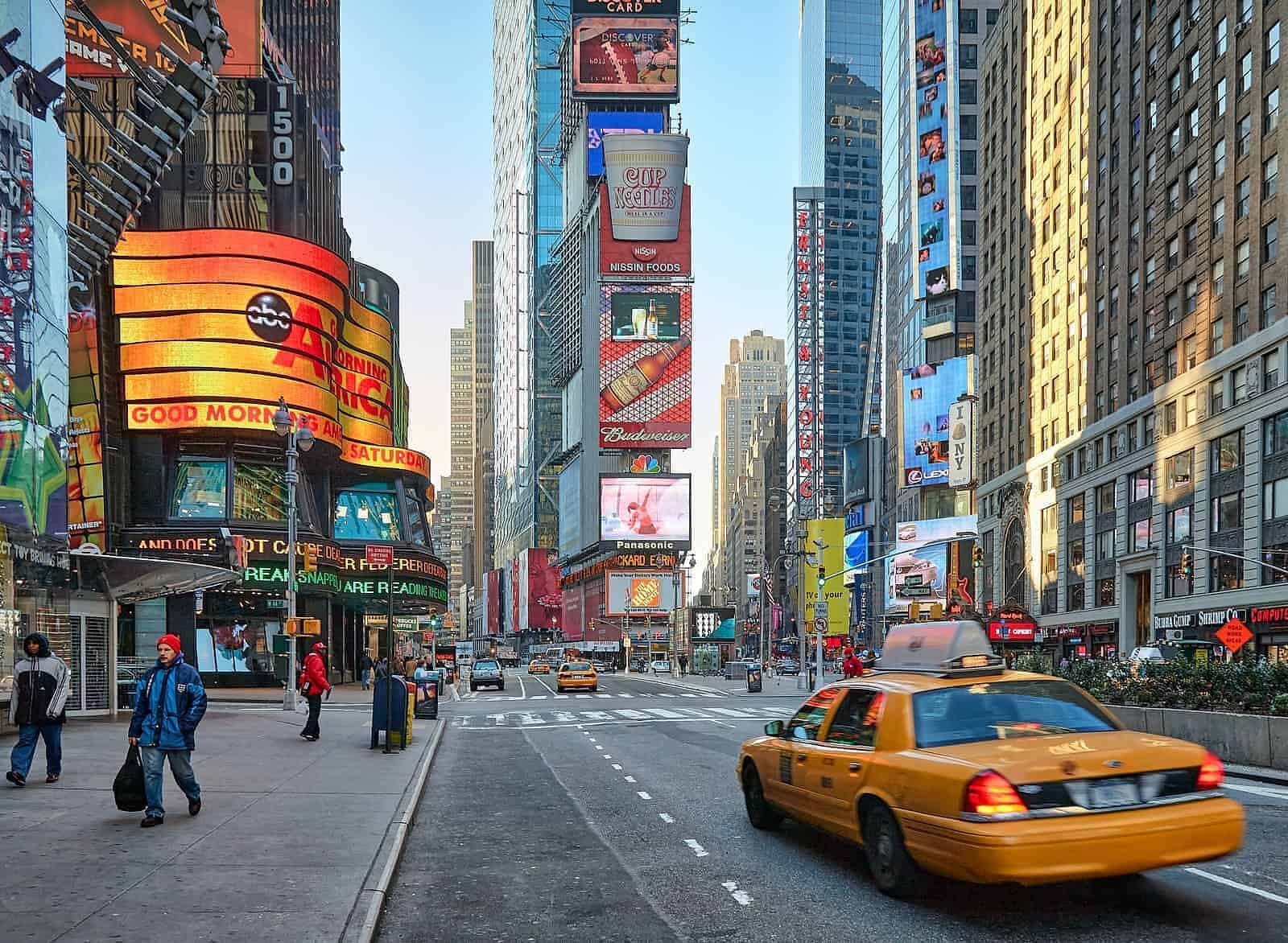
New York City doesn't make things anymore. That’s the common lie people tell about the five boroughs. They look at the glass towers in Hudson Yards or the condos in Williamsburg and assume the grit of manufacturing vanished with the rotary phone. They’re wrong. If you know where to look, the city remains a vibrating hub of warp, weft, and high-performance fibers. It isn't just about the history of the Garment District. It’s about a living, breathing network of archives, specialized shops, and high-tech labs that keep the global fashion industry on its toes.
You aren't going to find this by walking into a Midtown Zara. You find it in the basement of a 1920s office building where a third-generation pleater still uses oak molds. You find it in Brooklyn warehouses where designers are 3D-knitting sweaters to reduce waste. This is the real New York textile scene. It’s tactile, expensive, and incredibly tucked away.
The Garment District is Shrinking but Necessary
The area between 34th and 42nd Streets, west of Sixth Avenue, used to produce nearly every piece of clothing sold in America. Today, it’s a fragment of its former self. But don't let the "For Lease" signs fool you. This neighborhood is the emergency room of the fashion world. When a designer for the Met Gala needs a specific silk faille at 3:00 AM, they don't call a factory in Suzhou. They call someone in the Garment District.
Mood Fabrics is the obvious giant here. Yes, it’s the Project Runway store, but it actually lives up to the hype. Spread across multiple floors, the sheer volume of material is suffocating in the best way possible. You’ll see students from Parsons rubbing elbows with costume designers for Broadway. It’s a chaotic library of every texture imaginable.
If you want something more curated, you go to B&J Fabrics. It feels less like a warehouse and more like a gallery. The prices reflect that. You go here for the Swiss cottons and the Italian silks that look like they belong on a runway in Milan. They understand the technical specs of their stock. They can tell you why a specific weight of wool will drape better for a trench coat than a blazer. Most retail staff in big-box stores can't even tell you if a fabric is a synthetic blend.
Hidden Archives and High Fashion History
Most people think museums are the only places to see historic textiles. In New York, the archives are functional. They exist to inspire the next season of clothes you'll buy in two years.
The Fashion Institute of Technology (FIT) houses one of the most important collections on the planet. Their museum is free, which is one of the city's best-kept secrets. But the real gold is in their textile lab. They have thousands of swatches dating back centuries. It’s a physical record of human ingenuity. You can see how weavers in the 18th century achieved colors that we struggle to replicate today without toxic chemicals.
Then there’s the Metropolitan Museum of Art’s Antonio Ratti Textile Center. This isn't a walk-in gallery. It’s a research facility. You need an appointment, and you better have a good reason to be there. It houses everything from ancient Coptic tunics to mid-century modern prints. Seeing these pieces in person reminds you that textiles aren't just "cloth." They’re technology. Every thread represents a solution to a problem, whether that problem was staying warm or showing off wealth.
Brooklyn and the Future of Sustainable Fiber
If Manhattan is the brain of the textile world, Brooklyn is the lungs. The movement toward sustainable and local production has found a home in the Navy Yard and Industry City. This isn't about the "fast fashion" cycle. It's about slow, intentional creation.
Textile Arts Center (TAC) in Gowanus is the heart of this community. They offer residencies for artists and classes for the public. It’s one of the few places where you can see a floor-to-ceiling loom in action in the middle of a major metropolis. They focus on natural dyes—think indigo, madder root, and even onion skins. It’s a rejection of the petroleum-based dyes that have wrecked the environment for decades.
Around the corner, you’ll find places like Better Than New. They focus on repair and circularity. The most sustainable fabric is the one that already exists. New York has a massive culture of "upcycling" that goes beyond just thrifting. It’s about re-engineering old garments into something functional. This is where the city’s textile expertise meets the climate crisis.
Where the Pros Get Their Trimmings
A garment isn't just fabric. It’s the buttons, the zippers, the lace, and the structural bones. This is where New York truly shines. You can find shops that specialize in nothing but buttons.
- Duttonhelms: A treasure trove for ribbons and trims.
- M&J Trimming: The place for everything from Swarovski crystals to military-grade webbing.
- Pacific Trimming: Best for high-end zippers and technical hardware.
Walking into these shops is a lesson in detail. You realize that a zipper isn't just a zipper. There are different teeth shapes, different tape materials, and different weights. Designers spend hours here just picking the right shade of navy thread. It’s an obsessive, granular world. It’s also a reminder that New York’s "textile world" is actually a massive ecosystem of small, highly specialized businesses.
The Technical Side Nobody Talks About
We talk a lot about silk and wool, but New York is also a leader in technical textiles. Companies in the city are working on "smart" fabrics—materials that can monitor your heart rate or change temperature based on the environment.
The New York State Center for Advanced Technology in Telecommunications and Information Management (CATT) and various labs at NYU Tandon are where the crossover happens. Textiles are becoming interfaces. We’re moving toward a world where your jacket is also your phone. New York’s proximity to both the fashion world and the tech world makes it the perfect site for this weird, experimental marriage.
It’s easy to get cynical about the industry. You hear about the waste and the sweatshops. But when you stand in a room full of hand-painted silk at Zarin Fabrics on the Lower East Side, you see the artistry. These businesses aren't just selling a product. They’re guarding a craft that is thousands of years old.
Navigating the City for Your Own Projects
If you’re coming to New York to source for your own work, don't just wing it. Most of these places have weird hours. Some are "wholesale only" on paper but will sell to you if you’re polite and look like you know what you’re doing.
- Check the district calendars. Avoid the weeks around New York Fashion Week if you want any help from staff. They're slammed.
- Bring your own swatches. If you’re trying to match a color, don't trust your phone’s camera. The lighting in these shops is notoriously terrible.
- Walk. The Garment District is small. You’ll find the best shops by looking at the directories in the lobbies of non-descript office buildings. If a sign says "Leather and Suede - 4th Floor," go up.
The city’s textile scene is a maze. It’s loud, it’s dusty, and it’s expensive. But it’s also one of the last places on earth where you can touch the past and the future of what we wear at the exact same time. It’s not just a guide to shops. It’s a guide to how we build our physical world, one thread at a time.
Stop by Purl Soho for high-end yarns if you're into knitting, then head uptown to the Cooper Hewitt to see how those same patterns influenced industrial design. New York doesn't just use textiles. It lives in them.