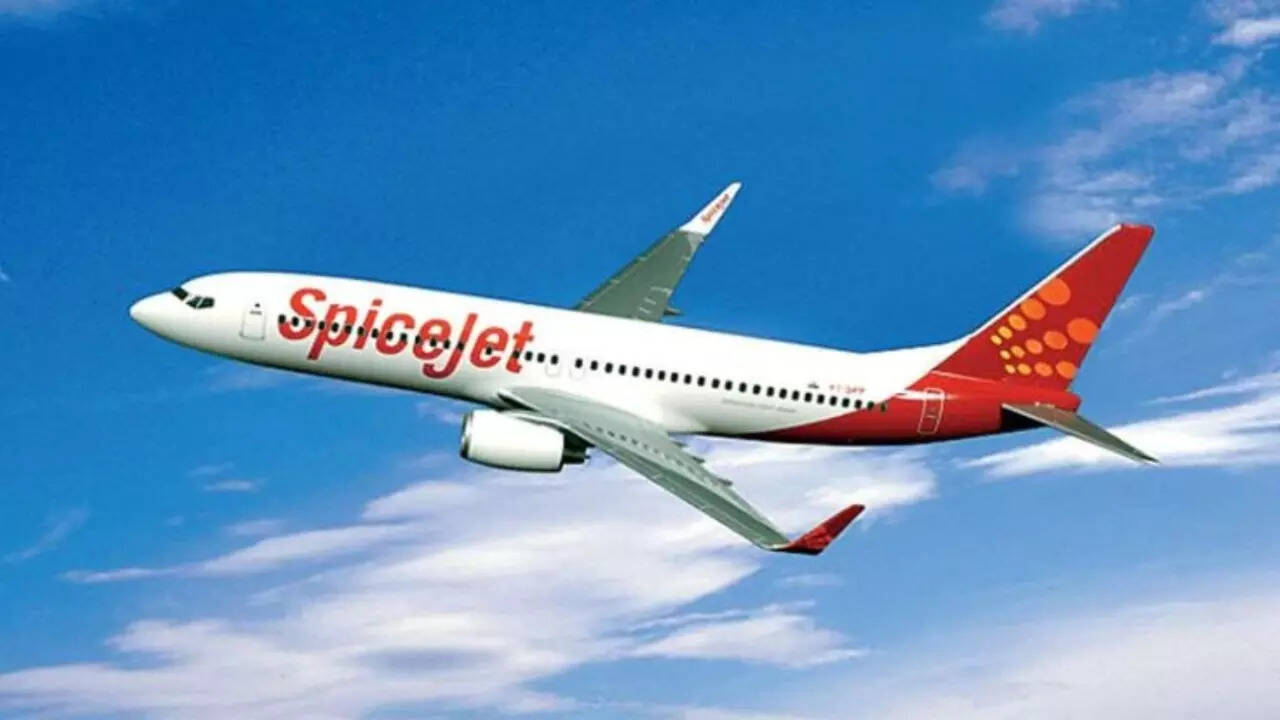
The headlines are bleeding with heroism. SpiceJet, the perennial underdog of Indian aviation, is positioning itself as the savior of the skies. By launching "special flights" from Fujairah to India to assist travelers caught in the crossfire of Middle Eastern tensions, they’ve successfully baited the mainstream media into writing a thousand glowing puff pieces.
It is a masterclass in opportunistic marketing. It is also a total distraction from the structural rot in the regional aviation market. If you enjoyed this article, you should read: this related article.
If you think this is about humanitarianism, you haven't been paying attention to the balance sheets. Aviation isn't a charity; it’s a high-stakes game of logistics and yield management. When a carrier announces a "rescue" mission in a region already saturated with capacity, they aren't saving souls. They are chasing liquidity and burning jet fuel to distract you from their operational instability.
The Fujairah Fallacy
Why Fujairah? The official narrative suggests it’s a strategic pivot to help "stranded" travelers. The reality is far more cynical. For another perspective on this development, check out the recent update from Travel + Leisure.
Dubai (DXB) and Abu Dhabi (AUH) are the titans of the region. They are also expensive. Landing fees, handling charges, and slot constraints at primary hubs are the bane of low-cost carriers (LCCs) struggling with cash flow. Fujairah International Airport (FJR) is the quiet cousin. It’s cheaper. It’s underutilized.
By framing a move to a secondary, low-cost airport as a "war-effort" rescue mission, SpiceJet manages to lower its overhead while charging a premium for "special" status. It’s a classic arbitrage play. They are selling a seat on a plane that they needed to fill anyway, but they’ve wrapped it in the flag of national service.
If these travelers were truly stranded, the solution wouldn't be a handful of scheduled flights from a peripheral airport. It would be a coordinated interlining effort with Emirates or Air India. But interlining requires a level of creditworthiness and operational synchronization that SpiceJet has spent the last three years dodging.
The Myth of the Stranded Traveler
Let’s dismantle the premise of the "stranded" passenger. The Middle East is the most connected aviation corridor on the planet. Even with airspace closures over Iran or Iraq, the Gulf carriers—Etihad, Qatar, and Emirates—have the most sophisticated rerouting protocols in existence.
A traveler "stranded" in the UAE during a regional conflict isn't usually lacking a way home. They are lacking a cheap way home.
When regional tensions rise, insurance premiums for aircraft (hull war risk) spike. Major carriers bake these costs into their fares immediately. SpiceJet isn't "helping" these people; they are bottom-feeding. They are targeting the price-sensitive demographic that can no longer afford the surge pricing of stable airlines.
I’ve seen this movie before. An airline on the brink of a technical default suddenly finds the "heart" to fly into a crisis zone. It’s not about the mission. It’s about the upfront cash. In an industry where "cash is king" and SpiceJet’s throne has been wobbling for years, these special flights are a desperate grab for immediate revenue to pay off lessors and fuel vendors.
Crisis as a Business Model
The "rescue" narrative is the ultimate shield against criticism. If the flight is delayed four hours—standard for a carrier with a history of technical snags—the airline points to the "volatile regional situation." If the service is subpar, it’s a "bare-bones emergency operation."
It is the perfect cover for mediocrity.
Instead of fixing the core issues—like a fleet that has been cannibalized for parts or a schedule that is more of a suggestion than a commitment—they pivot to "special operations." This creates a halo effect that tricks investors and the public into thinking the airline is indispensable.
But look at the data. In 2024 and 2025, SpiceJet’s domestic market share has been eroded by IndiGo’s relentless efficiency and Air India’s massive recapitalization. To survive, an LCC needs one of two things:
- Massive scale.
- Niche dominance.
SpiceJet has neither. So, they manufacture a third option: Relevance through optics. ## The Logistics of a PR Stunt
If you want to understand how cynical this is, look at the equipment. Utilizing older Boeing 737s for these routes in "crisis conditions" isn't an act of bravery; it’s an act of necessity. These are the planes they have left.
Imagine a scenario where a passenger actually believes this is a government-backed evacuation. They show up to Fujairah—a two-hour drive from Dubai for many—only to find that this is a commercial flight with commercial pricing. The "special" designation is nothing more than a fare class.
The industry insiders I talk to aren't cheering. They are rolling their eyes. They know that every hour spent coordinating these headline-grabbing flights is an hour not spent fixing the systemic delays that plague the rest of the network.
The Opportunity Cost of Heroism
Every time an airline chases a headline, the passenger loses.
The focus on Fujairah ignores the fact that the Indian aviation sector is currently a duopoly in the making. IndiGo and the Tata Group (Air India) control the vast majority of the sky. For a smaller player to survive, they need to be better, not just "louder."
By playing the "war rescue" card, SpiceJet is avoiding the hard work of competing on reliability. They are betting that the Indian consumer will forget their past cancellations if they can claim they "stepped up" during a conflict.
It’s a bet on short-term memory. And in travel, that’s a dangerous wager.
The reality is that these flights do nothing to stabilize the regional air corridor. They do nothing to lower the long-term cost of travel between the UAE and India. They are a flash in the pan—a temporary diversion for a fleet that has nowhere else to go.
Stop Falling for the Rescue Narrative
Next time you see an airline "launching special flights" in the wake of a geopolitical crisis, ask three questions:
- Why is the flight departing from a secondary airport with lower fees?
- How does the "special" fare compare to the standard rate three weeks ago?
- Is the airline currently facing litigation or grounding orders from its lessors?
If the answer to that last one is "yes," you aren't looking at a rescue mission. You’re looking at a liquidation sale disguised as a service to the nation.
Aviation is a cold, hard business of numbers. The moment we start injecting "heroism" into the analysis of a budget carrier's route map, we've lost the plot. SpiceJet isn't saving anyone. They are trying to save themselves.
The "stranded" traveler is just the most convenient excuse they’ve had in years.
If you're in the UAE and need to get back to Delhi or Mumbai, book a carrier that has the liquidity to maintain its engines and the reputation to keep its slots. Don't be a prop in someone else's PR campaign.
Buy a ticket based on the maintenance schedule, not the press release.