The cabin of an aircraft is a fragile miracle of engineering held together by the unspoken contract of trust. When you belt yourself into a seat at thirty thousand feet, you aren't just buying a ticket. You are surrendering your autonomy to a crew that promises to speak the language of your survival. In Canada, that language is legally, culturally, and emotionally a duet between English and French.
But when the metal twists and the smoke rises, the air changes.
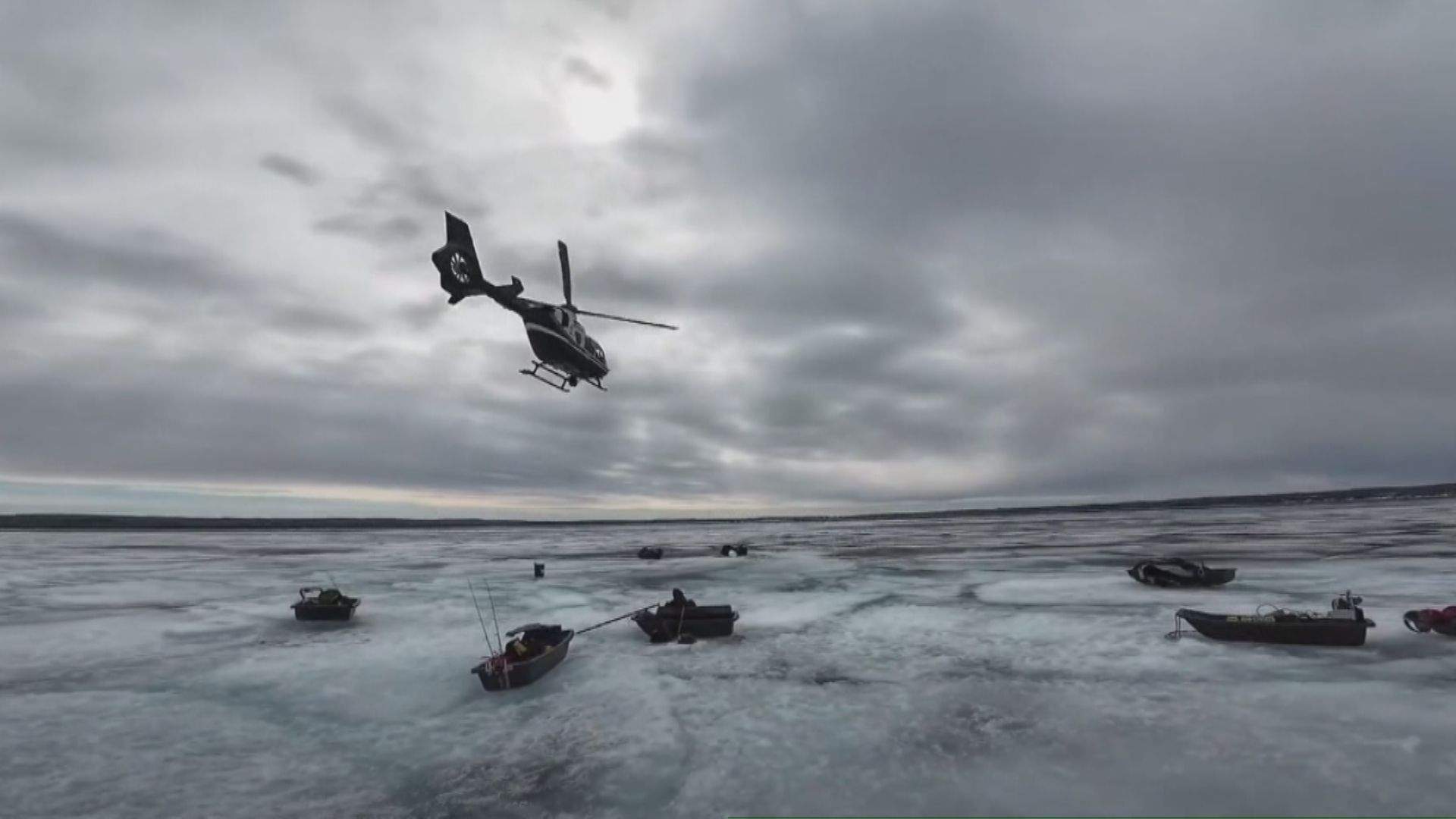
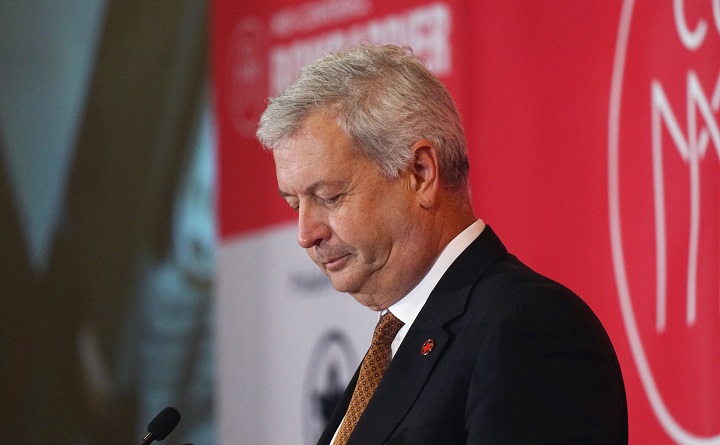
Mark Carney, the man who once steered the Bank of England and the Bank of Canada with a surgeon’s precision, recently stepped into a fray that is about much more than a press conference. He isn't just correcting a PR blunder. He is pointing at a crack in the hull of Canadian identity. Following a recent Air Canada incident—a crash that left passengers trembling on the edge of catastrophe—the airline’s CEO stood before a microphone and spoke only in English.
In that moment, the CEO didn't just fail a linguistic test. He signaled to every francophone passenger that in the moments that matter most, their voice is a luxury the front office cannot afford.
The Anatomy of a Silence
Imagine standing in a field in the dark. The smell of jet fuel is thick enough to taste. Your heart is a drum against your ribs, and your children are clutching your hands so hard their knuckles are white. You have just survived the impossible. You are looking for a leader. You are looking for the person who represents the entity that put you in this position.
When that leader finally speaks, and he speaks a language that treats half of your history as an afterthought, the trauma deepens.
The criticism leveled by Carney wasn't a bureaucratic finger-wag. It was a visceral reaction to a breach of duty. For a company that bears the name of the nation, "Air Canada" is more than a brand. It is a sovereign representative. When the CEO chose to remain monolingual in the wake of a life-altering disaster, he wasn't just being "unilingual." He was being deaf.
Carney’s condemnation carries weight because he understands the mechanics of institutional trust. He knows that a currency is only worth what people believe it is worth. The same applies to a national carrier. If the leadership cannot communicate empathy in both official languages during a crisis, the "Canada" in their name becomes a hollow marketing shell.
The Invisible Wall in the Cockpit
There is a technical term for what happens when communication breaks down in high-stress environments: "functional isolation."
It happens when one person has the information and another has the need, but the bridge between them is out. In the aviation industry, we talk about "Crew Resource Management." It’s the science of making sure everyone in the cockpit and the cabin is on the same page. If a pilot speaks English and the flight attendant speaks French, and the emergency manual is only clear in one, people die.
This isn't a hypothetical fear. History is littered with the wreckage of planes where the crew understood the mechanics of the flight but failed the mechanics of the conversation.
By failing to address the public in French after a crash, the CEO mirrored the very breakdown that safety experts spend decades trying to prevent. He created a hierarchy of concern. He suggested, through his silence, that the "core" audience is English-speaking, and the rest are simply along for the ride.
Consider the passenger from Chicoutimi or a grandmother from Dieppe. To them, the CEO’s English-only statement wasn't a "business decision" or a "slip-up." It was a wall. It was a reminder that even in their own country, in the wake of a near-death experience, they are secondary.
The Myth of the "Global" Language
The defense often whispered in boardroom corners is that English is the "international language of aviation." It’s a convenient shield. It sounds logical. It feels modern.
But this wasn't an international flight over the mid-Atlantic. This was a Canadian disaster involving Canadian citizens on a Canadian airline regulated by Canadian law. The Official Languages Act isn't a suggestion. It isn't a "nice-to-have" for when the weather is clear and the stock price is up. It is a foundational requirement of the license to operate.
When Carney stepped into the light to call this out, he was addressing a growing rot in corporate culture: the idea that efficiency replaces empathy.
The CEO might have thought he was being efficient. He might have thought that getting the facts out in one language was "enough." But leadership isn't about the transmission of data. It is about the restoration of order. You cannot restore order if you are ignoring the heartbeat of the people you serve.
The Weight of a Name
Airlines are unique. They are the only businesses that regularly ask you to sign your life over to them in exchange for a bag of pretzels and a few hours of transit. Because of that, the emotional stakes are permanently dialed to ten.
When a tech company has a data breach, we change our passwords. When a grocery store has a recall, we throw out the lettuce. But when an airline crashes, we look at the sky and wonder if we are ever truly safe.
The CEO’s choice to ignore the French language was a signal that the airline had forgotten its "Why." They had become a logistics company that happened to fly planes, rather than a national institution that carries the weight of a people’s identity. Carney, a man who has spent his life navigating the highest halls of global power, saw the danger in this. He saw that if the elite are allowed to opt out of the social contract, the contract eventually burns.
It starts with a press conference. It ends with a loss of faith that no amount of frequent flyer miles can repair.
Beyond the Script
The real tragedy isn't just the crash itself—it’s the missed opportunity for healing.
A leader who steps to the podium and struggles through a language they find difficult shows vulnerability. They show effort. They show that the person on the other end of the camera matters more than the leader's own comfort. If the CEO had spoken even broken, heartfelt French, he would have signaled a shared humanity. Instead, he chose the cold safety of his own comfort zone.
He stayed on his side of the wall.
We are living in an era where the "human element" is often treated as a line item to be optimized. We use algorithms to determine seat pricing and AI to handle customer complaints. But you cannot automate an apology. You cannot outsource the respect due to a person who has just looked death in the eye.
The backlash sparked by Carney isn't about grammar. It isn't about "woke" politics or regional grievances. It is about the fundamental right to be seen and heard by those in power, especially when the world is falling apart.
The Silent Passenger
In the back of every plane, there is a passenger who doesn't follow the stock market. They don't know who Mark Carney is. They don't care about the board of directors. All they know is that they pay their taxes, they follow the rules, and they expect their national airline to speak to them as an equal.
When that passenger hears their leader dismiss their mother tongue during a crisis, a small part of their connection to the country snaps.
Trust is built in drops and lost in buckets. For Air Canada, the bucket was tipped over the moment the CEO opened his mouth and decided that one language was sufficient for a two-language soul. The metal of the plane can be replaced. The engines can be rebuilt. The flight paths can be redrawn.
But the feeling of being an outsider in your own disaster? That lingers.
It stays in the back of the throat like the taste of smoke. It reminds us that while we might all be flying in the same direction, some of us are being told that our story is only worth telling if it’s translated first. Carney’s intervention wasn't just a critique; it was a demand for a return to the basic dignity of the passenger.
The language of the lifeboat must be the language of everyone on board. Anything less is just a slow way of sinking.
A CEO’s job is to see the horizon, but if he cannot see the people standing right in front of him, he is flying blind.