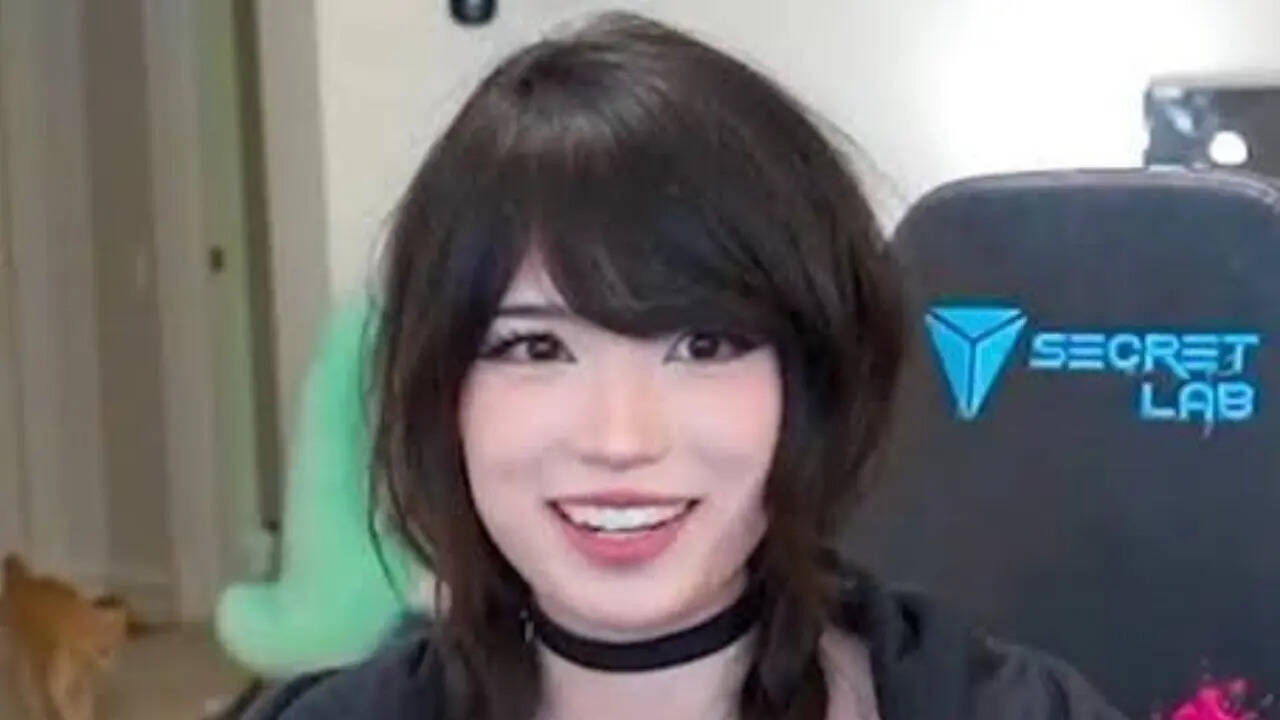
The shift in livestreaming from high-skill gameplay to personality-driven parasocial ecosystems has created a market where emotional vulnerability functions as a high-value asset. When Emiru, a top-tier creator within the One True King (OTK) organization, revealed specific instances of middle school bullying during a broadcast with Cinna, the resulting viral cycle was not an accidental byproduct of conversation but a manifestation of the Vulnerability-Engagement Feedback Loop. This mechanism converts personal trauma into community retention through a quantifiable increase in viewer empathy and digital "gifted" transactions.
To understand why a discussion about social isolation in adolescence triggers such a massive algorithmic response, one must deconstruct the architectural requirements of modern streaming platforms. Content creators no longer compete solely on entertainment value; they compete on the Authenticity Quotient (AQ)—a metric that measures how effectively a creator can bridge the gap between their curated digital persona and their perceived "real" self.
The Triad of Parasocial Intensity
The emotional turn in the Emiru-Cinna stream can be broken down into three distinct structural pillars that dictate why this specific moment resonated across the Twitch ecosystem.
- Contextual Contrasts: Emiru’s brand is built on high-production cosplay and professional-tier gameplay. When a creator known for perfectionism—often perceived as "untouchable" by their audience—reveals a history of being a social pariah, it creates a cognitive dissonance that viewers resolve through intensified support.
- Collaborative Validation: The presence of Cinna acted as a secondary validator. In a solo stream, trauma sharing can appear performative or "trauma-dumping." In a duo format, the interactive response—shock, empathy, or shared silence—provides a social script for the audience to follow, effectively "authorizing" the emotional gravity of the moment.
- Relatability Arbitrage: The core demographic of Twitch consists heavily of Gen Z and Millennial males, many of whom report historical or current feelings of social alienation. By mapping her experience onto theirs, Emiru performs an arbitrage of status, trading her high social standing for a shared identity with her least socially integrated viewers.
The Mechanics of the Unexpected Emotional Turn
Most observers view the "emotional turn" as a spontaneous event. From a structural perspective, these moments are the result of Conversational Entropy. As a stream persists over several hours, the mental energy required to maintain a strictly "on-brand" persona degrades.
This degradation leads to a "leakage" of personal history. The specific anecdote shared—concerning the psychological cruelty of peers in middle school—targets a universal developmental trauma. Middle school serves as the primary site for social hierarchy formation. By referencing this period, the creator accesses a deep-seated emotional reservoir common to almost all viewers, ensuring that the engagement metrics (chat velocity, clip sharing, and sentiment intensity) spike instantaneously.
The "shocking" nature of the story functions as a Pattern Interrupt. In a medium dominated by loud reactions and fast-paced visuals, a sudden drop in tempo and a shift to somber, personal reflection forces the viewer’s attention to narrow. This narrowing is where the highest levels of viewer-retention are achieved.
Quantifying the Impact of Shared Trauma on Creator Longevity
There is a direct correlation between the disclosure of personal hardship and the stabilization of a creator's Subscriber Floor. While high-energy hype draws in new viewers, it is the emotional bonding—often referred to as "The Deep Lore"—that prevents churn.
- Trust Erosion Resistance: Creators who share vulnerabilities are less likely to be "canceled" for minor infractions because the audience feels a protective, almost familial bond.
- Micro-Transaction Spikes: Data from similar "emotional turns" across the platform shows a non-linear increase in "Bit" donations and "Gifted Subs" during and immediately following the disclosure. This is not just charity; it is a financialized form of empathy where the viewer buys a sense of closeness to the creator.
- Algorithmic Longevity: Clips of emotional vulnerability have a significantly higher "share-to-view" ratio than gameplay clips. These clips populate YouTube shorts and TikTok, acting as a low-cost acquisition funnel for new viewers who are drawn to the narrative of the creator rather than the content of the stream.
The Risk of the Vulnerability Trap
While the disclosure of the bullying incident provided a massive short-term boost in engagement and deepened the community's emotional investment, it introduces a significant Brand Liability.
Once a creator establishes vulnerability as a pillar of their content, the audience begins to demand more. This creates a "Vulnerability Debt." If the creator returns to purely superficial or entertainment-focused content, the audience may experience an "Empathy Hangover," where the lack of emotional intensity feels like a regression. This pressure can lead to the "Professionalization of Trauma," where creators feel obligated to mine their personal lives for increasingly "shocking" anecdotes to maintain the current AQ.
Furthermore, the "emotional turn" creates a specific vulnerability for the creator themselves. By exposing the specifics of their past trauma, they provide a roadmap for future "bad actors" or "haters" to weaponize that exact information. The very act that builds the community also builds the arsenal for those who wish to dismantle it.
Strategic Divergence in Content Evolution
The Emiru-Cinna incident highlights a pivot point in the evolution of OTK and similar creator collectives. They are moving away from the "Gaming House" model and toward a "Digital Reality TV" model. In this framework, the games being played are merely backgrounds for the development of character arcs.
The logical progression of this trend is the integration of more structured, long-form storytelling within the livestream format. We should expect to see:
- Segmented Reality Beats: Streams specifically designed to facilitate deep-dive interviews between creators, mimicking the late-night talk show format but with the raw, unedited feel of Twitch.
- The Rise of the "Safe Space" Meta: A shift in stream titles and tags toward mental health, personal growth, and "Comfy" vibes, which provides a pre-cleared space for these emotional turns to occur without the need for a spontaneous trigger.
- Cross-Platform Narrative Splicing: Taking a moment from a Twitch stream and expanding it into a documentary-style video for YouTube, thereby maximizing the "Value per Trauma Unit" (VPTU) across the entire digital footprint.
The strategic play for creators in this position is to manage the Frequency of Disclosure. To maintain the potency of the "shocking" moment, these disclosures must remain rare. If every stream becomes a deep-dive into past trauma, the market value of that trauma depreciates. The most successful creators will be those who treat their personal history like a high-interest savings account—withdrawing small amounts of "vulnerability capital" only when necessary to buy back the audience's attention during periods of plateaued growth.
Future-proofing a streaming career in the current landscape requires a transition from being a "player of games" to a "curator of experiences." The bullying story shared by Emiru is not just a memory; it is a critical component of a narrative infrastructure designed to survive the volatility of the attention economy. By grounding a digital brand in the visceral realities of human suffering and recovery, a creator builds a moat that no gameplay skill or high-production gimmick can replicate. Managers and agencies must now prioritize "Narrative Resilience Training" for their talent, ensuring that when these emotional turns occur, they are channeled into sustainable community growth rather than individual burnout.