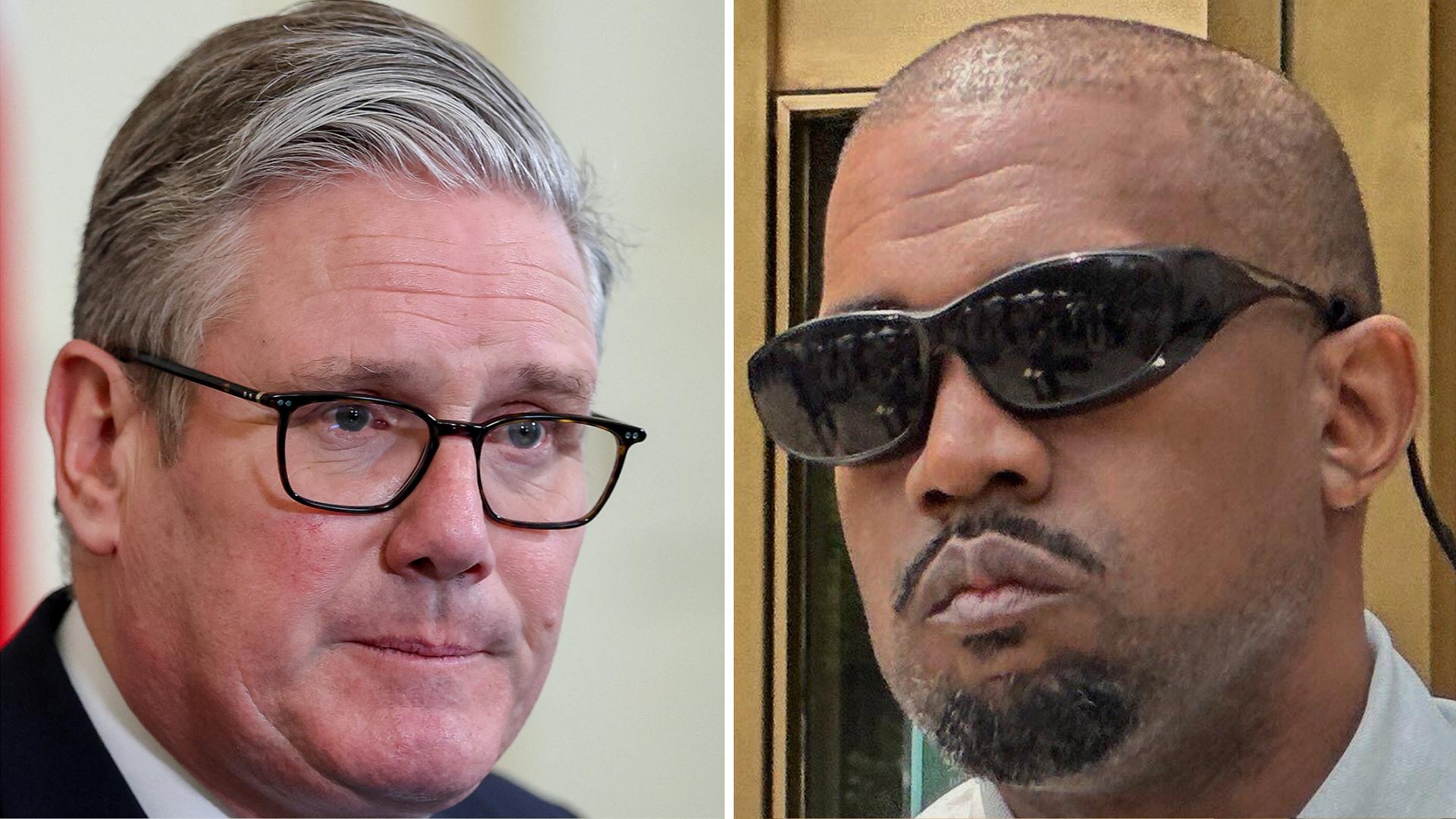
Keir Starmer has signaled a hardline stance against the proposed return of Kanye West to British soil. The Prime Minister’s "deep concern" regarding the rapper's potential booking at a major UK festival is not merely a comment on music. It is a calculated political maneuver aimed at a figure who has become a lightning rod for hate speech allegations and unpredictable public outbursts. For the festival organizers, this represents a collision between the absolute freedom of the stage and the shifting boundaries of corporate and national liability.
The tension centers on the intersection of public safety, community cohesion, and the commercial desperation of a post-pandemic live music industry. When a headliner of West’s magnitude is floated for a UK slot, the conversation usually revolves around technical riders and ticket price tiers. Now, the discussion has shifted to the Home Office and the potential for a visa denial based on "non-conducive to the public good" criteria.
The High Price of Booking a Pariah
Festival promoters are currently operating on razor-thin margins. The temptation to book a name that guarantees a sell-out crowd is immense, but the West brand currently carries a toxicity that outweighs the potential box-office gold. This isn't just about the music. It's about the security costs. When a performer brings a history of inflammatory rhetoric to a venue, the policing requirements change.
Insurance premiums for major events are already climbing. If a promoter books an artist with a documented history of inciting controversy, the liability landscape shifts. We are no longer talking about standard event insurance. We are talking about coverage for civil unrest and brand damage that could sink a mid-sized promotion company.
The Home Office Trigger
British law gives the Home Secretary broad powers to exclude individuals whose presence is deemed harmful to the public interest. This has been used against Westboro Baptist Church members, controversial preachers, and political extremists. By expressing concern, Starmer is effectively priming the machinery of the state to scrutinize West’s entry.
History shows this isn't an empty threat. The UK has a long track record of banning artists. Tyler, The Creator was famously barred for several years based on lyrics from his early career. Chris Brown faced similar hurdles. However, the West situation is different because it isn't based on past lyrics, but on recent, sustained public statements that have been widely condemned as antisemitic.
The Festival Industry Crisis of Conscience
The live music sector is facing a moral and financial crossroads. On one hand, festivals like Glastonbury, Reading, and Leeds pride themselves on a degree of counter-cultural edge. On the other, they are now multi-million pound corporate entities with sponsors like Barclays or Vodafone who are hyper-sensitive to brand association.
If a festival director signs the contract for West, they aren't just buying a performance. They are buying a month of negative press, potential sponsor withdrawals, and a logistical nightmare involving increased vetting of every person on the guest list. It is a gamble that few are willing to take in the current climate.
- Sponsor Flight: Corporations will pull out at the first sign of a PR disaster.
- Artist Boycotts: Other acts on the bill may refuse to play alongside a controversial headliner.
- Security Risks: The potential for protests both outside and inside the gates becomes a primary concern.
The Argument for Free Expression
There is a vocal minority within the industry who argue that the government should stay out of the arts entirely. They suggest that the audience should be the final arbiter. If people don't like the artist, they won't buy the ticket. This libertarian view of the music industry argues that pre-emptively banning a performer based on their political views sets a dangerous precedent.
However, this perspective often ignores the reality of the modern festival. These are no longer "free festivals" in a field. They are highly regulated, permitted environments that exist at the pleasure of local councils and the police. If the government indicates that a performer is a risk, the local authorities are likely to follow suit by threatening the event's operating license.
Starmer and the Politics of Decency
Starmer’s intervention serves a dual purpose. First, it reinforces his image as a leader who prioritizes "decency" and "order" over the chaotic excesses of celebrity culture. It allows him to distance the Labour party from any accusation of being soft on hate speech. Second, it serves as a warning shot to the wider entertainment industry.
The government is essentially signaling that the "cool Britannia" era of hands-off cultural management is over. There is a new expectation that cultural gatekeepers will self-regulate or face the consequences of state intervention. This isn't about censorship in the traditional sense; it's about the management of the public square.
The Impact on the Fanbase
Despite the controversy, West retains a massive, dedicated following in the UK. His influence on fashion, production, and the sound of modern hip-hop is undeniable. To his fans, the government’s stance looks like an overreach—an attempt to "cancel" a genius for having a mental health crisis or for speaking outside the bounds of acceptable discourse.
This creates a fracture in the cultural landscape. On one side, you have the political and corporate establishment demanding accountability. On the other, you have a youth culture that often views establishment intervention as a reason to double down on their support. This tension is exactly what makes the prospect of a West performance so volatile.
The Reality of the Booking Process
Behind the scenes, the process of booking a headliner of this scale takes eighteen months of negotiation. Agents, lawyers, and managers are involved in a complex dance of clauses and "force majeure" stipulations. Any contract signed with West in the current climate would likely include unprecedented "good behavior" clauses and "morality" triggers.
Promoters are asking themselves if the headache is worth the payout. Usually, the answer for a superstar is yes. But when the Prime Minister enters the chat, the math changes. The risk of the government revoking a visa on the eve of the festival—leaving the promoter with a vacant headliner slot and thousands of angry fans—is a catastrophic financial risk.
The Role of Social Media Echo Chambers
The controversy is fueled by the speed at which information travels. A single tweet or an Instagram story from the artist can change the risk profile of a festival overnight. In the past, a performer’s eccentricities were managed by publicists and filtered through the press. Today, the artist has a direct line to the public, and that line is often used to bypass traditional damage control.
This unpredictability is the primary deterrent for UK festivals. They operate on a schedule that demands stability. They need to know that the person who signs the contract is the person who will show up, on time, and perform a set that doesn't result in a police investigation.
A Precedent for Future Tours
If West is successfully blocked or discouraged from playing the UK, it will set a benchmark for how the government deals with controversial figures in the streaming age. It suggests that digital behavior has physical consequences. You cannot spend months broadcasting inflammatory content to millions and then expect a "business as usual" reception when you want to use a foreign country’s infrastructure to make a profit.
The British government is asserting that access to the UK market is a privilege, not a right. This is a significant shift in tone from previous administrations that generally stayed out of the business of entertainment booking unless there was a direct threat of violence.
The pressure is now firmly on the festival organizers. They must decide if they are in the business of music or the business of risk management. For most, the decision has already been made by the market. The high-profile nature of the Starmer "concern" makes it almost impossible for a major, mainstream festival to move forward with a Kanye West booking without appearing to defy the national interest.
The era of the untouchable superstar is colliding with the era of the accountable corporation. In this environment, the music is often the first thing to be silenced by the noise of the debate.
Promoters who think they can separate the art from the artist in a live setting are ignoring the reality of the modern regulatory state.