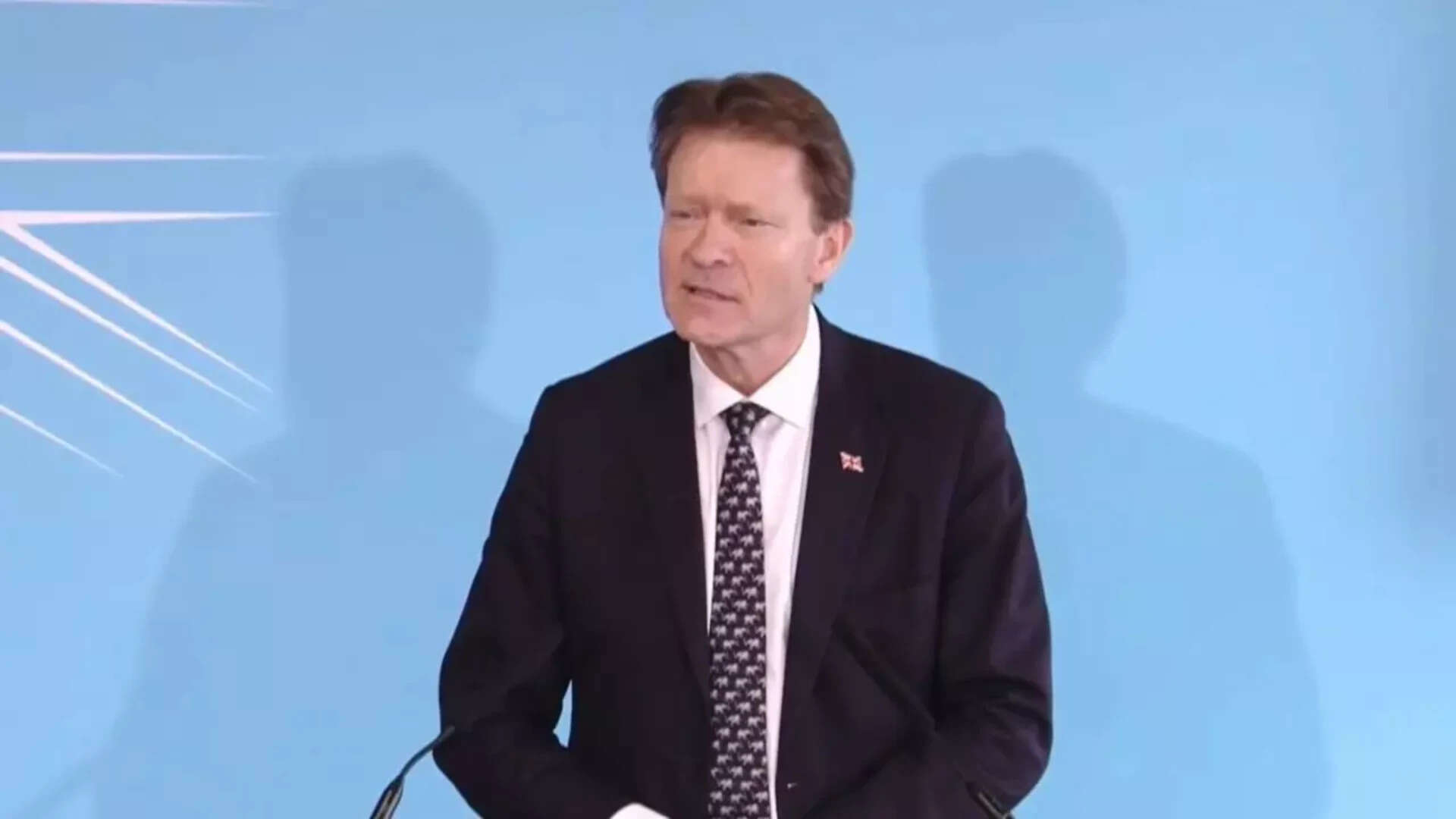
Richard Tice is technically right about the law but he’s losing the room on the ethics. The Reform UK leader found himself in the crosshairs after reports surfaced regarding a £600,000 tax disagreement involving his family business. Labour is already smelling blood in the water. They've called for a formal probe. Tice’s defense is the classic line used by the wealthy for decades. There is no obligation to pay more tax than you legally owe. It’s a factual statement. It’s also a PR nightmare when you’re trying to lead a "people’s revolt" against the establishment.
The controversy centers on whether Tice or his associated entities used aggressive maneuvers to lower a tax bill. We aren't talking about a few quid under the table. This is about complex corporate structures and the kind of high-level accounting that most people in Britain will never see. While the average worker sees their PAYE deducted before they even touch their paycheck, the political class often operates in a different reality. This isn't just a legal debate. It’s a test of whether a populist leader can survive the same scrutiny he applies to others.
The Gap Between Legal and Moral Duty
Let's be clear about one thing. Tax avoidance is legal. Tax evasion is a crime. Tice is adamant that he’s on the right side of that line. He’s essentially arguing that if the government leaves a door open, you shouldn't be blamed for walking through it. From a purely business perspective, that makes sense. A CEO’s job is to protect the bottom line. But Tice isn't just a businessman anymore. He’s a politician.
In the world of Westminster, the "letter of the law" rarely saves you from the "court of public opinion." We’ve seen this before with figures like Nadhim Zahawi. The moment a politician’s private finances become a public distraction, their influence starts to erode. Labour knows this. By calling for a probe, they aren't necessarily expecting a criminal conviction. They’re looking for a "gotcha" moment that paints Tice as a member of the very elite he claims to despise.
It’s a clever move by Labour. They’re effectively saying that if you want to run the country, you should be held to a higher standard than the bare minimum required by HMRC. Tice’s rebuttal—that he has paid "millions" in other taxes—is a standard defense, but it rarely lands well with voters struggling with a cost-of-living crisis. People don't care how much you paid in the past if they think you're dodging a bill today.
Why Populists Struggle with Financial Scrutiny
Populism relies on the "us vs. them" narrative. Tice has built his brand on being the guy who tells it like it is and stands up for the "forgotten" people. When reports of complex tax rows surface, that narrative breaks. Suddenly, the guy in the tweed jacket looks a lot more like the guys in the glass towers.
The £600,000 figure is specific enough to stick in people’s minds. It’s a massive amount of money to the average voter. For many, it represents decades of salary. If the probe moves forward, every detail of Tice’s financial history will be picked apart. That’s the danger of the populist path. You have to be cleaner than clean because your enemies are waiting for any sign of hypocrisy.
The HMRC Factor
HMRC doesn't usually comment on individual cases, but the pressure for transparency is mounting. If there is a formal investigation, it won't just be about the money. It will be about the methods. Did the structures used have a "commercial purpose," or were they created solely to bypass tax? That’s the technicality that often decides these cases.
If Tice can prove the arrangements were standard business practice, he might survive. If it looks like a "scheme," he’s in trouble. The problem for Tice is that even winning the legal battle might mean losing the political war. People remember the headline, not the nuanced legal exoneration three years later.
Labour’s Calculated Attack
Don't think for a second that Labour’s call for an investigation is purely about "fairness." This is a tactical strike. Reform UK has been eating into the Tory vote, but they also appeal to a certain segment of traditional Labour voters who feel disillusioned. By hitting Tice on his taxes, Labour is trying to disqualify him as a champion for the working class.
It’s the same playbook used against many wealthy politicians. You don't have to prove they broke the law. You just have to make them look out of touch. If the public thinks Tice is using loopholes they can't access, the "man of the people" image evaporates.
The Reality of Professional Tax Planning
I've seen how these setups work. High-net-worth individuals don't just fill out a self-assessment on a Sunday night. They have teams of experts. These experts look at capital gains, inheritance tax, and corporate dividends. They move money between shells. They use offshore trusts when possible. It's all remarkably boring and perfectly legal until a politician gets involved.
The mistake many make is assuming that because it's legal, it’s defensible in politics. It isn't. In the current climate, any sign of tax "efficiency" is viewed as tax "shirking." Tice is now finding out that his business acumen might be his biggest political liability.
If you're following this story, watch the language Tice uses. He’ll keep coming back to the "no obligation" line. It’s a firm, uncompromising stance. But watch Labour too. They’ll keep using words like "transparency" and "fairness." They want to frame this as a moral failing, regardless of what the accountants say.
The next few months will determine if Tice can weather this. He needs to do more than just point at the law. He needs to prove he isn't the person his critics say he is. That means opening the books or at least providing a more convincing narrative than "I followed the rules." In a world where everyone feels the squeeze, "following the rules" feels like a weak excuse when the rules seem rigged in your favor.
Keep an eye on the official filings from Companies House and any statements from Reform UK's board. The paper trail usually tells the story long before the politicians do. If you want to understand where this is going, look at the technical details of the £600k dispute. That’s where the real answers are buried.