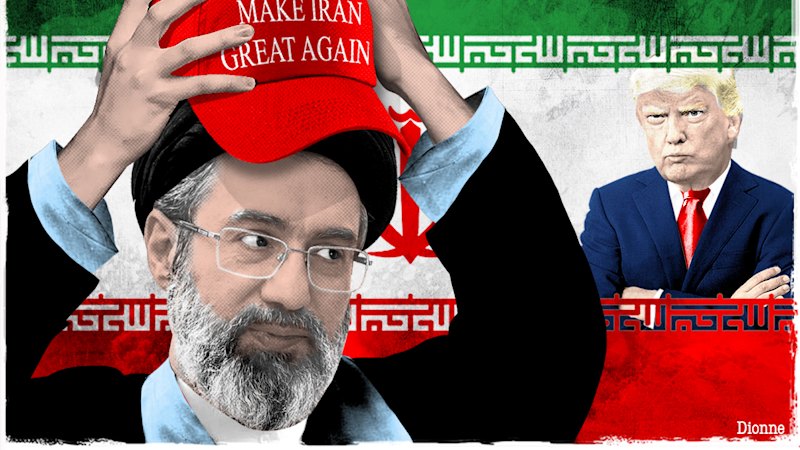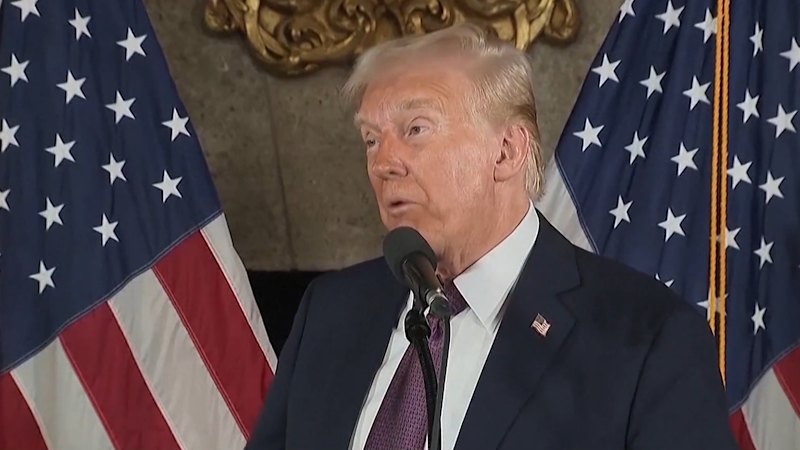
Donald Trump just leveled a massive warning at Tehran and the ripples are hitting every corner of the global market. It wasn't a subtle diplomatic nudge. He basically told the Iranian leadership that any attempt on his life or further escalation in the Middle East would result in the total destruction of their most prized assets. You’ve seen the headlines, but they usually miss the underlying point. This isn't just campaign trail rhetoric. It’s a calculated signal to both allies and enemies that the era of "strategic patience" is officially dead.
Trump knows how to dominate a news cycle, but this specific threat carries a different kind of weight because of his track record. Remember the 2020 strike on Qasem Soleimani? That move shocked the global intelligence community because it bypassed traditional escalatory ladders. When Trump talks about "obliterating" Iranian cities or infrastructure if they cross his red line, he's leaning on that history. He wants the world to know he's willing to be unpredictable.
The intelligence briefing that sparked the fire
US intelligence officials recently briefed Trump on what they describe as "real and specific" threats from Iran. These aren't just vague online grumblings. We're talking about coordinated plots aimed at assassinating a former president and current candidate. When a foreign power targets a high-ranking American political figure on US soil, the playbook changes. Trump’s response was characteristically blunt. He suggested that if he were president right now, he’d inform Iran that attacking a candidate means their largest cities get "blown to smithereens."
This creates a massive headache for the current administration. Biden and Harris have tried to walk a tightrope, balancing sanctions with back-channel diplomacy to prevent a full-scale regional war. Trump just kicked that tightrope over. He’s making the case that only extreme, overwhelming force keeps the peace. Whether you agree with him or not, his stance forces everyone to rethink how deterrence actually works in 2026.
Why oil markets are twitching right now
You can't talk about Iran without talking about the Strait of Hormuz. Roughly 20% of the world's total petroleum consumption passes through that narrow waterway. Every time Trump turns up the heat, energy traders start sweating. If Iran feels backed into a corner by these threats, their go-to move is to harass tankers or threaten to shut down the strait.
I’ve watched these cycles for years. Usually, it’s a lot of barking and very little biting. But things feel more volatile this time around. Iran’s internal economy is in shambles, and their leadership is feeling the squeeze from domestic protests and a shrinking circle of international friends. A cornered regime is a dangerous one. If Trump returns to the White House and follows through on this "maximum pressure 2.0," we could see crude prices spike to levels that make 2022 look like a bargain.
The shadow of the Soleimani strike
Critics often say Trump is all talk. Those people forgot January 2020. The drone strike at Baghdad International Airport wasn't just about killing one general. It was about proving that the US could hit a top-tier state actor without starting a world war. It was a massive gamble that paid off in the short term by silencing Iran’s proxy networks for a while.
Trump is using that memory as a tool. He’s telling the Ayatollah, "I did it once, and I'll do it bigger next time." This isn't about nuance or "holistic" approaches to foreign policy. It's about raw leverage. He’s betting that the fear of total annihilation is the only language the Iranian Revolutionary Guard Corps (IRGC) actually understands.
What the media gets wrong about the threat
Most outlets focus on the "incendiary" nature of the language. They call it dangerous. Sure, it’s risky. But they ignore the concept of the "Madman Theory" in international relations. Richard Nixon used it. The idea is to make your opponent think you’re crazy enough to do something truly catastrophic. If they believe you're capable of anything, they stop pushing. Trump has mastered this. By making these threats now, he’s trying to build a wall of deterrence before he even steps foot back in the Oval Office.
Regional allies are watching closely
Israel and Saudi Arabia aren't exactly crying about Trump’s tough talk. For years, these nations have argued that the US is too soft on Tehran. They see Iran's nuclear program as an existential threat. When Trump makes these fresh threats, he’s also speaking to Riyadh and Jerusalem. He’s signaling that the US is ready to act as the primary enforcer in the region again.
This creates a complicated dynamic. If Trump wins, he expects these allies to foot the bill or provide the ground support for his "peace through strength" agenda. If he loses, he’s left the next administration with a much more aggressive Iran that feels it has to prove it won't be bullied. It’s a high-stakes poker game where the chips are regional stability and thousands of lives.
The nuclear reality
Let’s be real for a second. Iran is closer to a nuclear weapon today than they were four years ago. The JCPOA (the Iran nuclear deal) is a ghost. Trump’s previous exit from the deal was based on the idea that it didn't do enough to stop ballistic missiles or proxy wars. Now, he’s facing a version of Iran that has more enriched uranium and less to lose.
His latest threats have to account for this. You can't just "blow up" a nuclear program that’s buried deep under mountains without starting the very war you’re trying to avoid. This is the part where the campaign rhetoric hits the wall of military reality. Hard.
Hard truth about the assassination plots
The FBI and Secret Service have significantly increased Trump’s security detail because of these Iranian threats. It’s an unprecedented situation. We have a foreign adversary trying to influence an American election through violence. Trump’s response—threatening to wipe out their infrastructure—is designed to show he won't be intimidated.
It’s also a way to paint his political opponents as "weak" on national security. By saying he’d be tougher, he’s making a direct appeal to voters who feel the world has become too chaotic under the current leadership. It's a potent message. People want to feel safe, and Trump's brand of "aggressive safety" resonates with a huge portion of the electorate.
What you should do next
Don't just take the headlines at face value. If you’re worried about how this affects your wallet or your world, keep a close eye on the following indicators over the next few weeks.
- Watch the Brent Crude oil price. If it stays stable despite these headlines, the market doesn't believe a real conflict is imminent. If it jumps, start worrying.
- Follow the movement of US carrier strike groups. Words are cheap; moving a massive fleet into the North Arabian Sea is expensive and meaningful.
- Look at the rhetoric coming out of Tehran. Are they doubling down, or are they suddenly calling for "dialogue"? Their reaction tells you if Trump’s deterrence is actually working.
The situation is moving fast. Trump's threats aren't just words—they're a shift in the tectonic plates of global power. He's betting everything on the idea that a big stick is the only way to keep the world from burning down. Whether that's a brilliant strategy or a recipe for disaster depends entirely on who blinks first.