Imagine sitting on a plane for five hours, watching the flickering flight map as you cross the Arabian Sea, only to see the little digital aircraft pull a sharp 180-degree turn. You aren't landing in the glitz of Dubai. You're heading right back to where you started in Kerala. This isn't a hypothetical pilot error. It's the reality for hundreds of passengers on Emirates flight EK 533.
The recent escalation in West Asia isn't just a geopolitical headline. It's a logistical nightmare that's currently redrawing the map of global aviation. When the airspace over major hubs like Dubai shuts down, the ripple effects don't just delay your vacation. They trigger a massive, expensive, and chaotic scramble for safety that leaves thousands of travelers stranded in "limbo flights."
The Chaos of a Mid Air U Turn
On Tuesday, Emirates flight EK 533 took off from Kochi’s Cochin International Airport (COK) with a cabin full of passengers expecting to land in Dubai. About halfway through the journey, the regional conflict triggered an immediate closure of several air corridors. For the pilots, the math became simple but brutal. If the destination airport is closed and the alternate landing strips are filling up with other diverted planes, you go back.
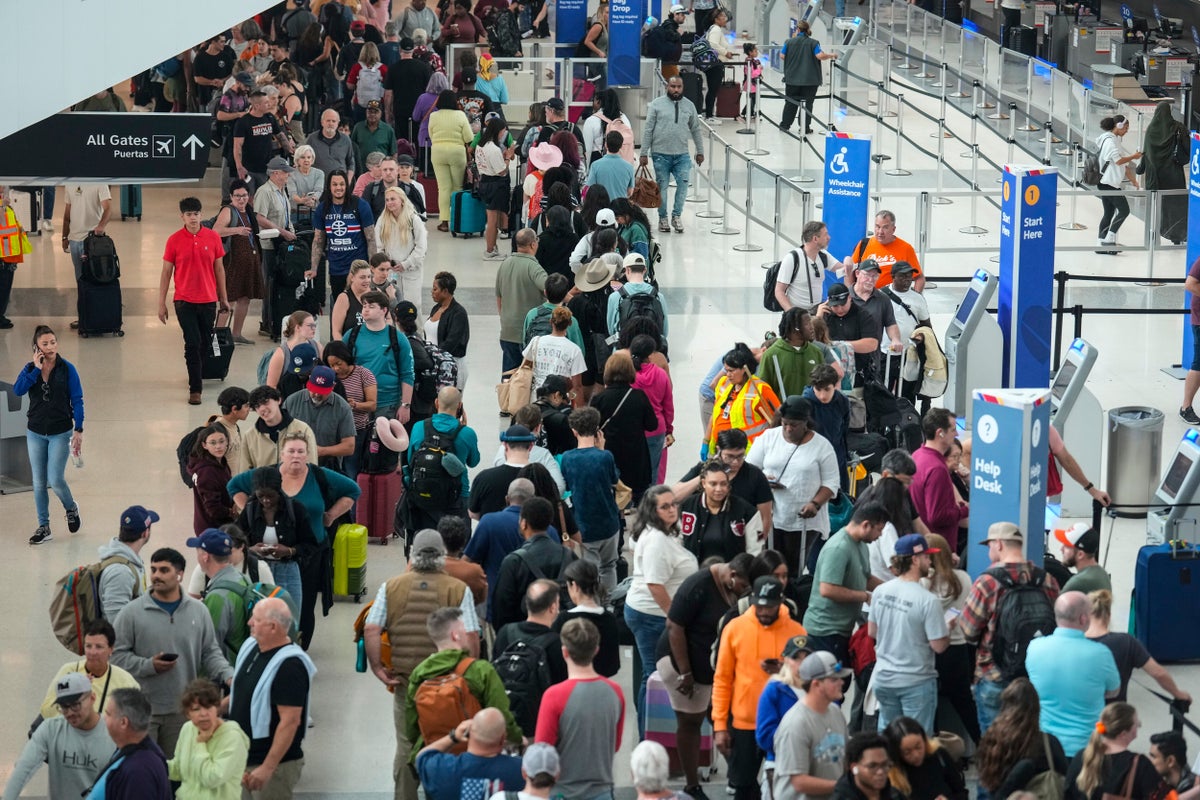
It’s a gut-punch for passengers. You’ve cleared immigration, you’ve said your goodbyes, and you’ve spent hours in a pressurized tube, only to walk back out through the same gate you left. This happens because Dubai International Airport (DXB) is one of the busiest transit points on the planet. When things go south there, the entire global network feels the pinch.
Why Airlines Choose the Point of Origin Over Diversion
You might wonder why the plane didn't just land in Muscat or Doha. Diverting to a nearby "alternate" airport sounds logical, but it’s often a trap for the airline.
If an Emirates jet lands in a secondary city, the airline has to find hotel rooms for 300 people in a city where every other diverted flight is trying to do the same thing. They also have to worry about "crew duty hours." Pilots and flight attendants have strict legal limits on how long they can work. If they land in a random city and "time out," that plane is stuck on the tarmac because there’s no fresh crew to fly it.
By flying back to Kochi, Emirates keeps the aircraft in a familiar environment. They have ground staff there. They have contracted hotels. Most importantly, they have a hub where they can reset the mission once the airspace reopens. It's frustrating for you, but for the airline's "Operations Control Center," it’s the most stable way to handle a crisis.
The Shrinking Sky Over West Asia
The conflict in West Asia has turned the sky into a minefield of "No Fly Zones." Historically, the routes between India and Europe or the Americas relied on the efficiency of flying over Iran, Iraq, and the Levant. Those paths are now mostly dark.
Airlines now have to navigate narrow corridors. This adds hours to flight times and burns thousands of gallons of extra fuel. When a new flare-up occurs, like the one that forced the Kochi flight back, the remaining "safe" corridors get congested instantly. Air Traffic Control (ATC) in neighboring countries often can't handle the sudden 300% increase in traffic, leading to "flow control" holds or outright ground stops.
What You Are Actually Entitled To When War Disrupts Travel
Here is the cold truth that travel insurance companies hate. Most policies have a "Force Majeure" or "Act of War" clause. If your flight is canceled or diverted because of a missile strike or a sudden military airspace closure, the airline often isn't legally required to pay you "compensation" in the way they would for a mechanical failure.
However, they are still responsible for "Duty of Care." This means if you’re sent back to Kochi or stuck in a transit lounge, the airline should provide:
- Meals and refreshments.
- Two phone calls or emails (though in the age of WhatsApp, this feels like a relic).
- Hotel accommodation if an overnight stay is required.
- Transport between the airport and the hotel.
Don't expect a cash windfall. In these scenarios, the airline is a victim of the circumstances just as much as you are. They’re losing millions in fuel and lost rotations. Your best bet is to stay calm and stay near the service desk.
How to Navigate This Mess
If you're flying through the Gulf right now, you need to stop being a passive traveler. The "wait and see" approach will leave you sleeping on a cold terminal floor.
First, download the flight tracking apps. Don't just rely on the airline's app, which can lag by thirty minutes. Use FlightRadar24 to see if other planes on your route are starting to divert. If you see a cluster of planes circling or turning back, start looking at your backup options before the airline even makes an announcement.
Second, check your transit visa requirements. One of the biggest mistakes travelers make is booking a "self-transfer" through a hub like Dubai or Doha during a conflict. If your first flight is diverted and you miss your second, unrelated ticket, you're on your own. Stick to single-booking references (PNRs) so the airline is obligated to get you to your final destination.
The situation in the Middle East is fluid. Airspace that's open at breakfast can be closed by lunch. The return of EK 533 to Kochi is a stark reminder that in 2026, the shortest distance between two points isn't always a straight line—it’s whatever path the current geopolitical climate allows.
Before you head to the airport for your next long-haul trip, check the NOTAMs (Notices to Air Missions) or follow a few aviation analysts on social media. Knowing the state of the sky before you board can be the difference between a successful trip and a very long, very expensive flight to nowhere. If your flight gets canceled, don't wait in the 500-person line at the airport. Call the international helpline of the airline immediately. Usually, the agents on the phone can rebook you faster than the exhausted staff at the gate.