India is walking a tightrope that's fraying at both ends. On one side, there's the long-standing, strategic partnership with Washington. On the other, a deep-rooted, non-negotiable dependence on Tehran for energy and regional access. When tensions flare up between Iran and the West, New Delhi doesn't just watch from the sidelines. It sweats. The dilemma isn't just about picking a friend; it's about national survival in a neighborhood that's increasingly volatile.
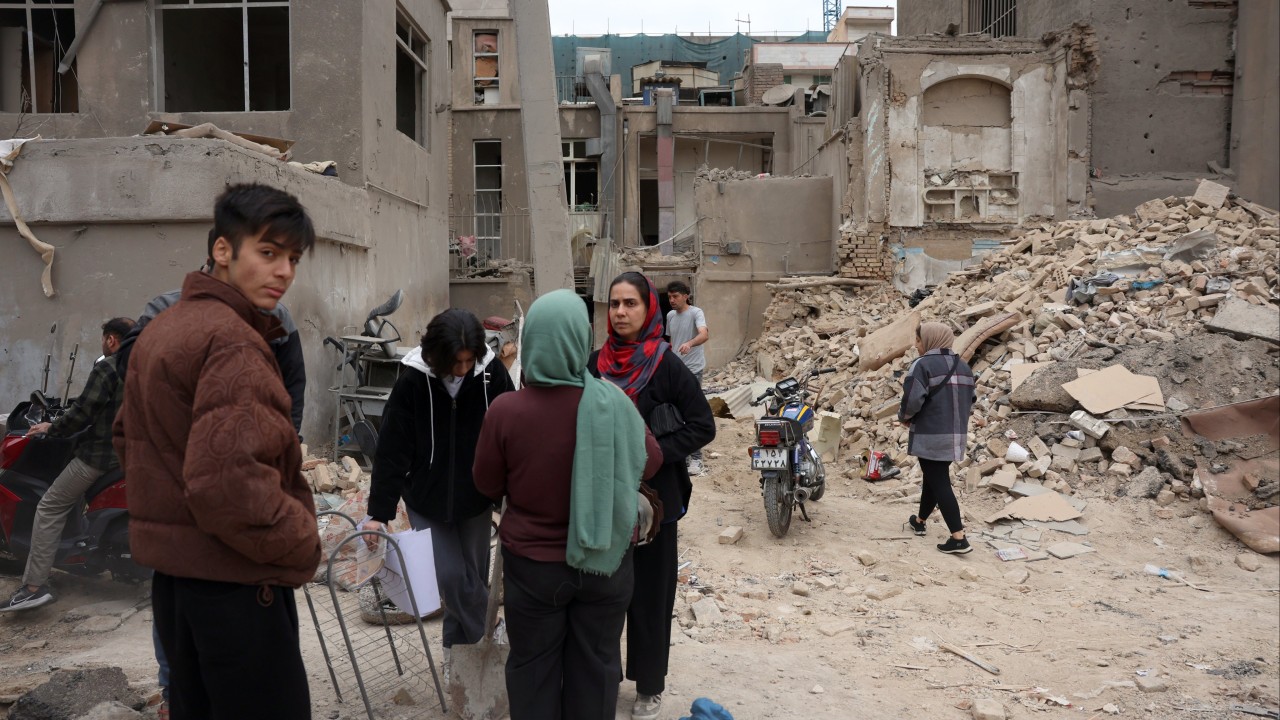
If you think this is just another diplomatic spat, you're wrong. For India, an open war involving Iran is a nightmare scenario. We aren't just talking about higher petrol prices at the pump. We're talking about the potential displacement of millions of Indian workers in the Gulf, the death of multi-billion dollar infrastructure projects, and a massive hit to India's "Extended Neighborhood" policy. New Delhi's "diplomatic flexibility" is a fancy way of saying they're trying to keep everyone happy while the room is on fire.
The energy security trap that keeps New Delhi awake
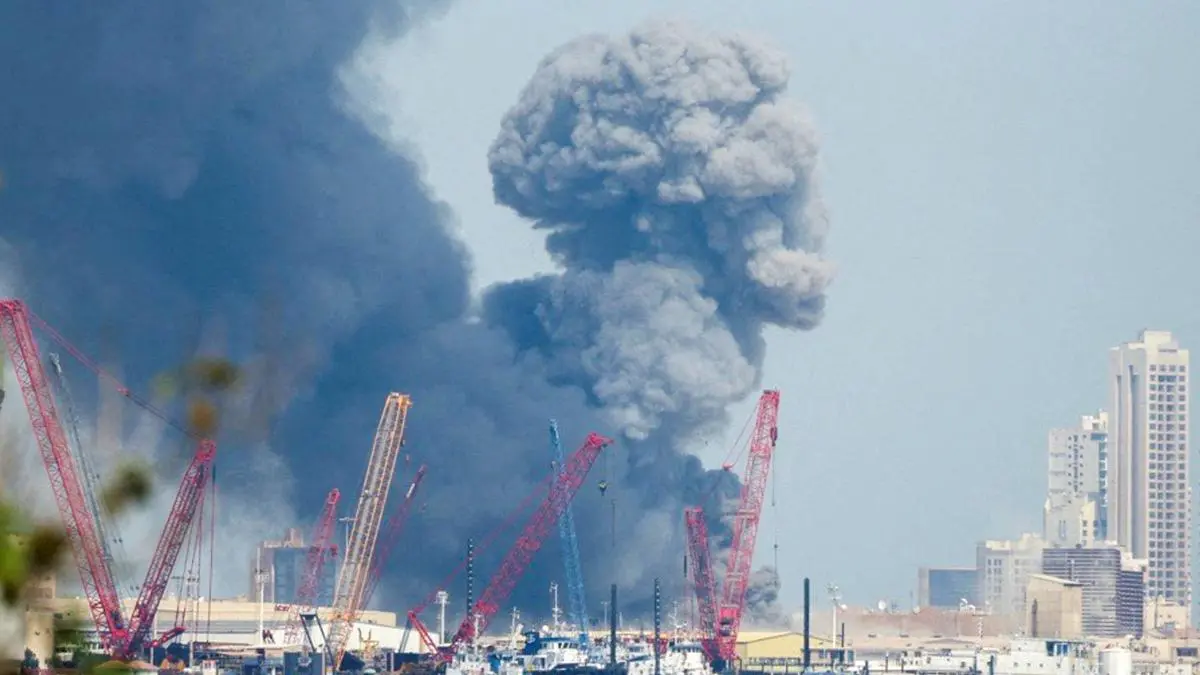
India imports over 80% of its crude oil. That's a staggering number. While Russia has become a primary supplier recently, the Persian Gulf remains the lifeblood of the Indian economy. Any conflict in the Strait of Hormuz—the world's most important oil transit chokepoint—would send the Indian economy into a tailspin.
When the US pulled out of the JCPOA (the Iran nuclear deal) and slapped "maximum pressure" sanctions on Tehran, India was forced to zero out its Iranian oil imports. It hurt. Iran used to be India's third-largest supplier, offering generous credit terms and rupee-payment mechanisms that saved precious foreign exchange. Now, India pays a premium for "permitted" oil while watching its strategic autonomy shrink.
It's a messy reality. India wants to please the US to counter China's rise, but it can't do that by committing economic suicide. If a full-scale war breaks out, the "flexibility" New Delhi prides itself on will vanish. They'll be forced to choose between supporting a Western-led coalition or staying neutral and watching their energy costs explode. There's no win here.
Chabahar Port is more than just concrete and cranes
You can't talk about India and Iran without talking about Chabahar. For India, this port in southeastern Iran is the only way to bypass Pakistan and reach Afghanistan and Central Asia. It's the crown jewel of India's connectivity dreams.
The International North-South Transport Corridor (INSTC) is India’s answer to China’s Belt and Road Initiative. It’s a 7,200-km multi-mode network of ship, rail, and road routes for moving freight. If Iran becomes a war zone, this entire project dies.
- India has invested hundreds of millions of dollars into the Shahid Beheshti terminal at Chabahar.
- The port serves as a gateway to the Zaranj-Delaram highway in Afghanistan.
- It links India to the resource-rich markets of Russia and Europe.
Without Iran, India is effectively fenced in by a hostile Pakistan and an encroaching China. This isn't just "foreign policy." It's geography. You can't change your neighbors, and you can't build a bridge to Central Asia without going through Iranian territory. Every time a drone flies over the Gulf, the value of India's investment in Chabahar teeters on the edge.
The human cost nobody is calculating
While analysts talk about oil barrels and shipping lanes, they often forget the human element. There are roughly 9 million Indians living and working in the Gulf region. They send back billions in remittances every year, keeping the Indian forex reserves healthy.
If a war involving Iran expands into a regional conflagration, the Indian government faces the logistical horror of evacuating millions of citizens. We saw a glimpse of this during the 1990 Kuwait airlift, but the scale today would be unprecedented. The social and economic shock of 9 million people returning home to an economy already struggling with unemployment is a thought most Indian politicians don't even want to entertain.
New Delhi’s silence on certain Iranian provocations isn't because they agree with Tehran. It’s because they’re holding 9 million hostages to fortune. They have to play nice. They have to be the "voice of moderation" because the alternative is chaos they can't manage.
Why the US-India partnership makes things harder
The relationship between Prime Minister Modi and various US administrations has been described as "defining for the 21st century." India is a key pillar of the Quad (US, India, Japan, Australia), designed to keep the Indo-Pacific free and open. But the US sees Iran as a primary state sponsor of terrorism and a nuclear threat.
This creates a massive friction point. The US wants India to align more closely with the Abraham Accords and the I2U2 (India, Israel, UAE, USA) grouping. India is on board with the economic side of these deals, but it won't join an anti-Iran military front.
- India needs Iran to balance Pakistan.
- The US needs India to balance China.
- Iran needs India to bypass Western isolation.
It’s a bizarre love triangle where nobody gets exactly what they want. India’s refusal to condemn Iran in the same tone as Washington often frustrates US lawmakers. However, India argues that a cornered Iran is more dangerous for the world than an integrated one. It’s a rare moment where India’s "strategic autonomy" isn’t just a slogan—it’s a survival tactic.
The China factor in the background
While India and the US bicker over Iran, China is waiting in the wings. Beijing signed a 25-year, $400 billion strategic partnership agreement with Tehran. They're buying Iranian oil in defiance of sanctions. They're building infrastructure.
If India pulls away from Iran due to Western pressure, it hands Tehran to Beijing on a silver platter. That is the ultimate nightmare for New Delhi. A China-Iran-Pakistan axis would effectively end India’s influence in its own backyard.
India's "dilemma" is actually a desperate attempt to prevent Iran from becoming a Chinese satellite state. Every time New Delhi sends a high-level envoy to Tehran, they’re basically telling the Iranians, "Don't give up on us yet." It’s a high-stakes game of keeping a seat at the table when the host is under siege.
How India manages the Israel-Iran rivalry
India’s shift toward Israel over the last decade has been profound. From defense technology to agriculture, the ties are deep. But Israel and Iran are in a "shadow war" that frequently threatens to break out into the open.
When an Iranian-linked cell allegedly targeted Israeli diplomats in New Delhi, it put the Indian government in an impossible spot. They had to investigate and prosecute without blowing up their relationship with Tehran. It’s a masterclass in "strategic ambiguity."
India is one of the few countries that can talk to both the Ayatollahs and the Likud party. They use this channel not to mediate—India hates being a mediator—but to ensure their own interests aren't caught in the crossfire. They've made it clear: "Your fight isn't our fight, but please don't let it ruin our trade."
Navigating the sanctions minefield
The technicalities of "diplomatic flexibility" often come down to banking. Since Iran is cut off from SWIFT, India had to develop a UCO Bank-based rupee payment system. This allowed India to buy oil and Iran to buy Indian rice and medicine.
It worked for a while, but as US sanctions tightened, the "humanitarian" loophole shrank. Now, Indian exporters are hesitant. The fear of "secondary sanctions" from the US Treasury is real. Major Indian conglomerates with US exposure won't touch Iranian deals with a ten-foot pole.
This leaves the relationship in the hands of smaller, state-run firms. It’s a skeleton crew approach to diplomacy. Keep the lights on, keep the ports moving, and hope the geopolitical weather clears.
The strategy going forward isn't about solving the Iran problem. India knows it can't do that. The goal is to endure it. New Delhi will continue to release balanced statements, call for de-escalation, and quietly work on the ground at Chabahar. They will pay lip service to Western sanctions while looking for every possible crack to maintain their foothold in Persia.
Watch the oil prices and the progress of the INSTC. Those are the real barometers of India's success. If the oil stays flowing and the trains eventually start moving toward Moscow, India's "flexibility" will have paid off. If not, the "dilemma" might just become a disaster.
Stay updated on India’s trade statistics with the Ministry of Commerce and keep an eye on the official briefs from the Ministry of External Affairs. The real shifts happen in the fine print of trade agreements, not in the headlines.