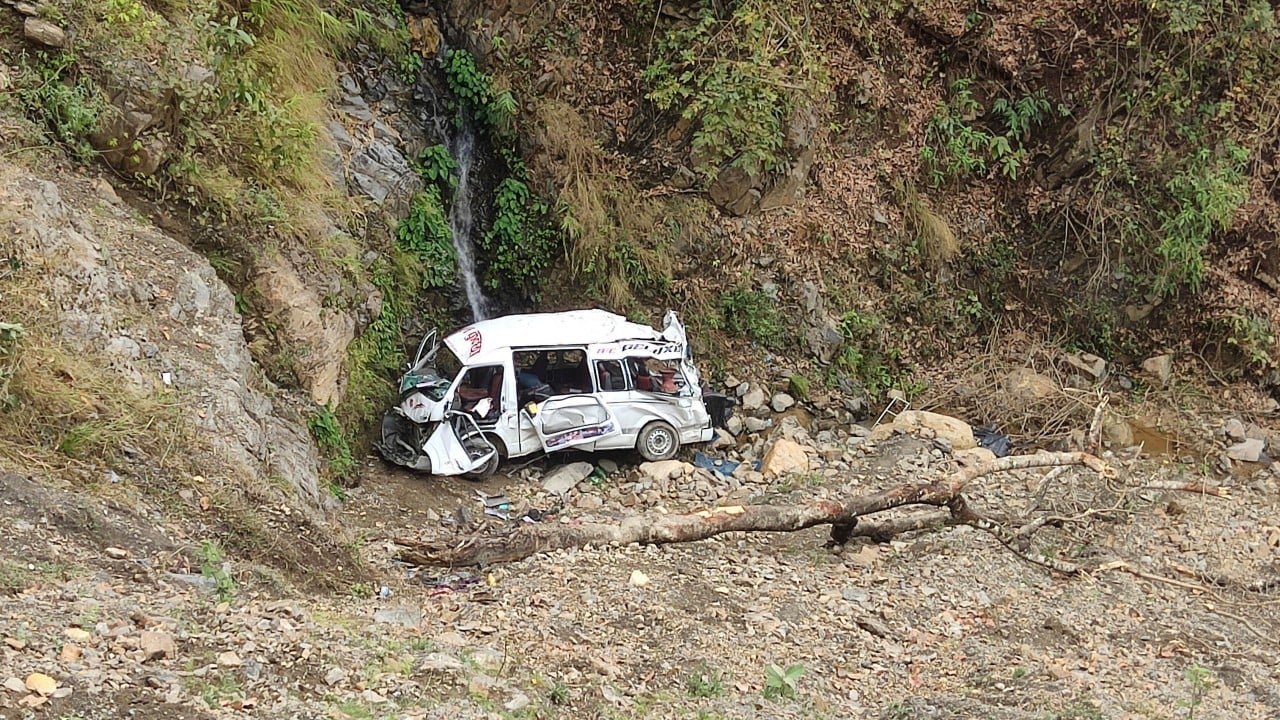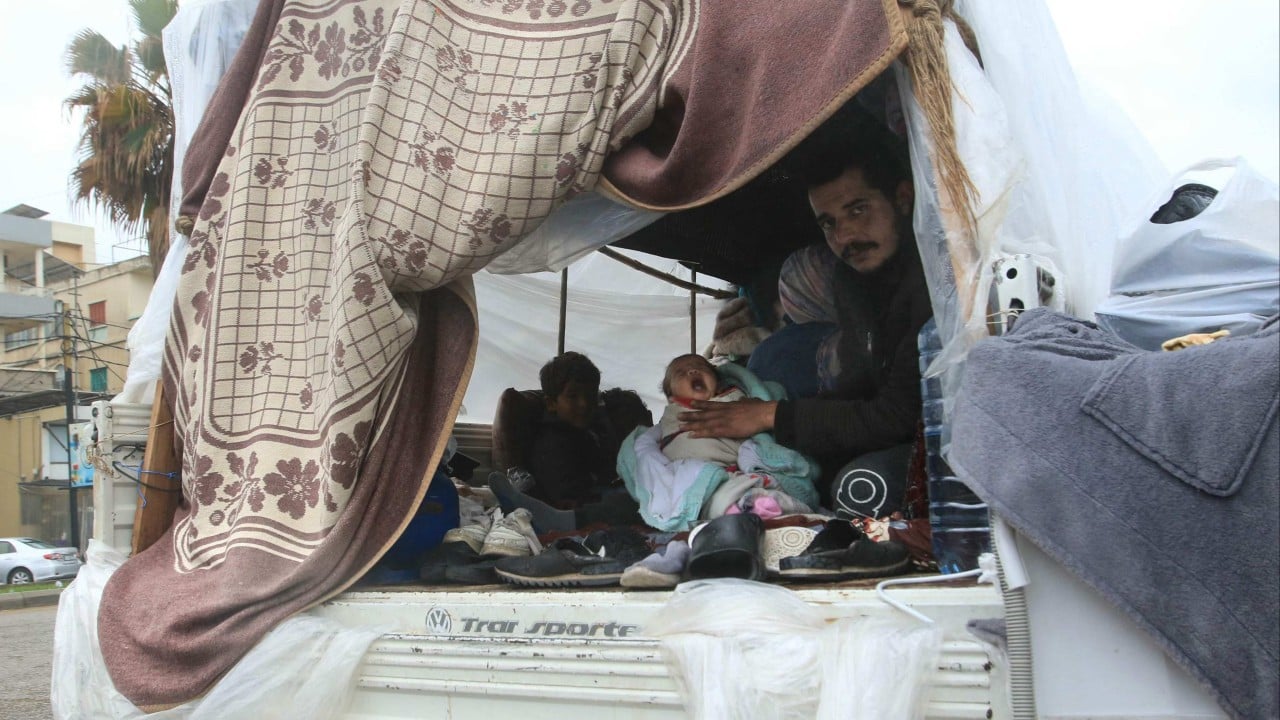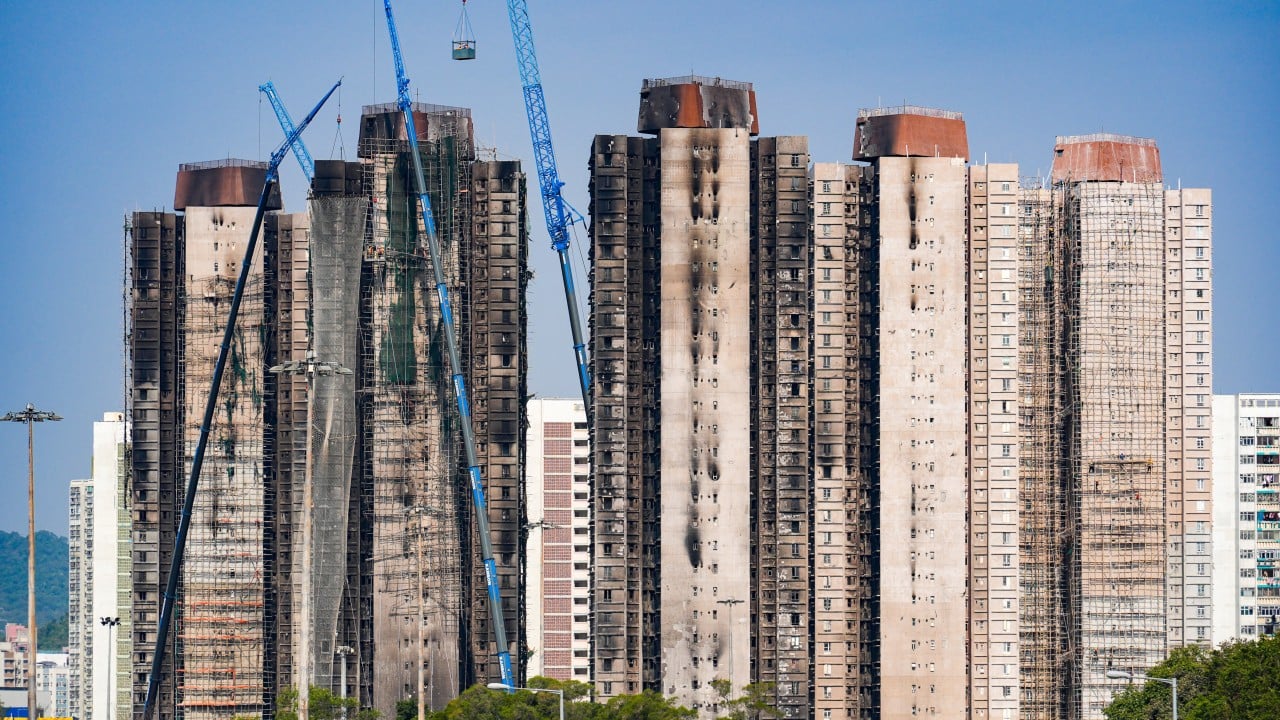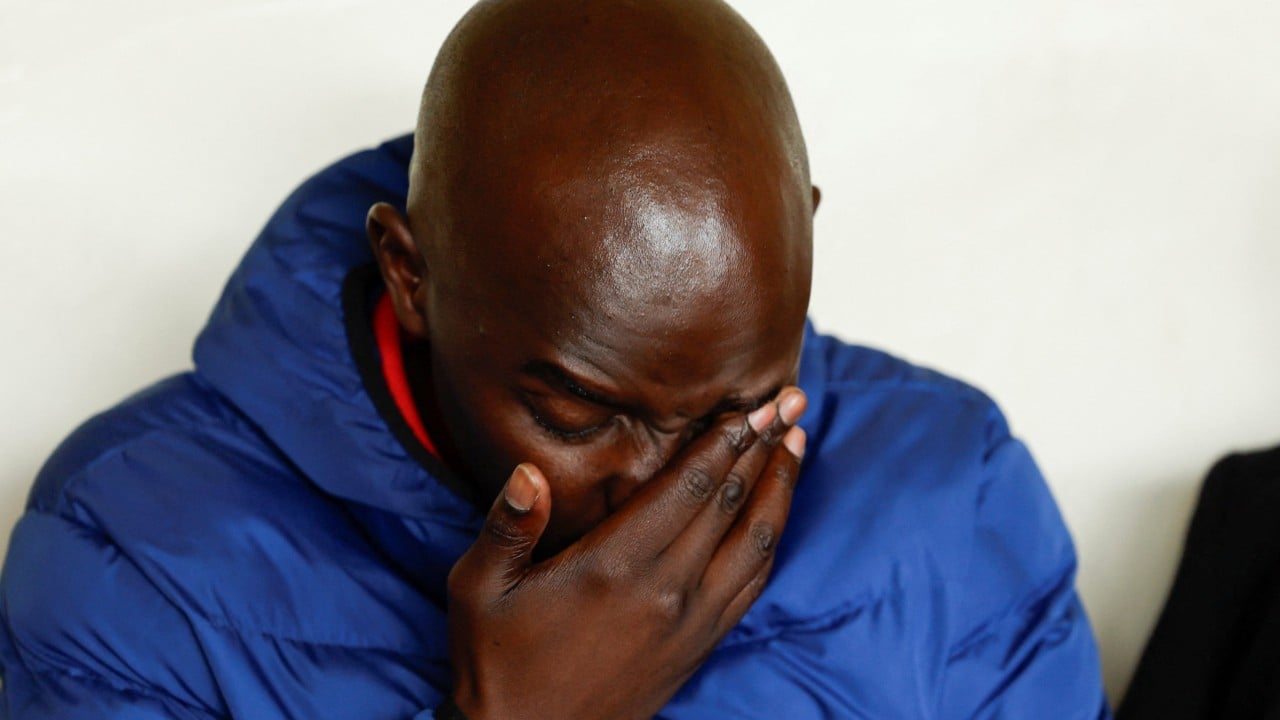
The headlines are predictable. They are also useless. "Kenya floods death toll rises to 62," the wires scream, as if the tragedy is a sports score to be updated in real-time. This obsession with the body count is a distraction. It is the "lazy consensus" of modern journalism that treats every natural disaster as an isolated, unfortunate event rather than a systemic failure of engineering and a total collapse of urban planning.
When the police release a number like 62, the world sighs, offers "thoughts and prayers," and moves on to the next notification. They shouldn't. That number is a lie by omission. It ignores the thousands of people whose lives have been structurally erased by decades of ignored drainage reports and the hubris of building concrete jungles on ancient floodplains.
Stop looking at the death toll. Start looking at the blueprints.
The Myth of the Natural Disaster
There is no such thing as a natural disaster in a modern city. There are only engineering failures. When the Tana River bursts its banks or the slums of Nairobi turn into rivers, we blame the rain. We call it "unprecedented." We cite "climate change" as a catch-all excuse for incompetence.
Let’s dismantle that. Rain is a variable; infrastructure is the constant. If your drainage system is designed for the 1950s but your population and concrete coverage are from 2026, you haven't been hit by a disaster. You’ve been hit by math.
I have seen city planners in developing hubs ignore hydrological surveys because a developer wanted a shopping mall on a wetland. I have seen "emergency funds" vanish into the pockets of bureaucrats while the culverts remained choked with plastic. When the water inevitably rises, these same officials stand before cameras and talk about "the hand of God" or "the wrath of nature."
It isn't God. It’s the lack of a functioning sewer line.
The Data Gap is Killing More People Than the Water
The competitor articles love to quote "police say." Why are we relying on police for climate data?
The real tragedy in Kenya—and across East Africa—is the absolute lack of hyper-local, real-time sensory data. We are flying blind. While Silicon Valley obsessively tracks the exact location of your Uber, we don't have enough functional flow-rate sensors on the tributaries of the Athi River to give people a four-hour head start.
The status quo says we need more international aid. The contrarian truth? We need more Linux servers and cheap IoT sensors.
- Topographic Blindness: Most maps used for planning in these regions are outdated by decades. They don't account for "informal" settlements that have fundamentally changed how water moves across the land.
- The Prediction Paradox: We have global satellite models that tell us El Niño is coming. Great. That’s like telling someone they might get sick this year. It’s useless. What they need is an alert that says, "Your specific street will be under three feet of water in 45 minutes."
We have the tech to do this. We just don't have the political will to admit that the "death toll" is a metric of our technological laziness.
The Resilience Trap
Every time a flood hits, the media starts talking about "resilience." It’s a disgusting word in this context. It’s a way of praising people for surviving a situation they never should have been in. Calling a mother who lost her home "resilient" is a polite way of saying, "We aren't going to fix the drainage, so we hope you’re good at rebuilding from nothing."
We need to stop asking how people can be more resilient and start asking why the infrastructure is so fragile.
In engineering, we talk about "redundancy." If a system is critical, it has a backup. If the backup fails, there’s another. Most of Nairobi’s infrastructure has zero redundancy. One blocked pipe leads to a neighborhood underwater. One bridge collapse cuts off an entire province from medical supplies.
The False Comfort of "Climate Change" Rhetoric
Blaming everything on climate change is the ultimate "get out of jail free" card for local governments. If the problem is global, then no one is locally responsible.
Yes, the Indian Ocean Dipole is making rainfall more intense. Yes, the planet is warming. But Japan deals with typhoons that would level most African cities, and they don't have death tolls in the hundreds every time it gets cloudy. Why? Because they invested in massive underground "cathedrals" of water storage.
$$V = \frac{1}{3} \pi r^2 h$$
Even a basic understanding of volume tells you that if you increase the surface area of non-porous concrete, you must exponentially increase the capacity of your discharge channels. Kenya did the first part (the development) and completely ignored the second (the drainage).
The Economic Suicide of Ignoring the Flood
The "police say" reports focus on lives lost because it’s visceral. But the economic destruction is what ensures the next flood will be even deadlier.
- Agricultural Wipeouts: When the highland farms are washed away, the cost of food in the cities spikes.
- Infrastructure Erosion: Every flood degrades the base layers of the roads that didn't wash away, leading to a hidden "tax" of billions in future repairs.
- Health Debt: The stagnant water left behind is a breeding ground for cholera and malaria. The death toll from the "flood" should include every person who dies of a waterborne disease six weeks later.
If you are a business leader in East Africa and you aren't demanding a total overhaul of urban hydrology, you are essentially gambling your company’s future on the weather. That isn't a strategy; it’s a suicide pact.
How to Actually Fix This (And Why We Won't)
If we wanted to stop the "rising death toll," we would stop building. We would declare "no-build zones" on every hectare of land that sits below a certain elevation. We would demolish luxury apartments built on riparian land.
But we won't. Because the land is too valuable and the people living there are too politically connected—or too poor to have a voice.
We would replace the "disaster response" teams with "infrastructure maintenance" teams who work 365 days a year, not just when the cameras arrive. We would treat a clogged drain in January with the same urgency as a drowning in May.
The reality is that 62 people didn't just die because it rained. They died because of a chain of human decisions made over twenty years. Every bribe taken to overlook a building code, every shilling diverted from a drainage project, and every "update" to a death toll that fails to mention the names of the engineers who signed off on the failed roads.
Stop reading the updates. Start demanding the maps.
The water isn't the enemy. The silence between the floods is.
Build for the flood that is coming, or admit that you’ve already decided these people are expendable.