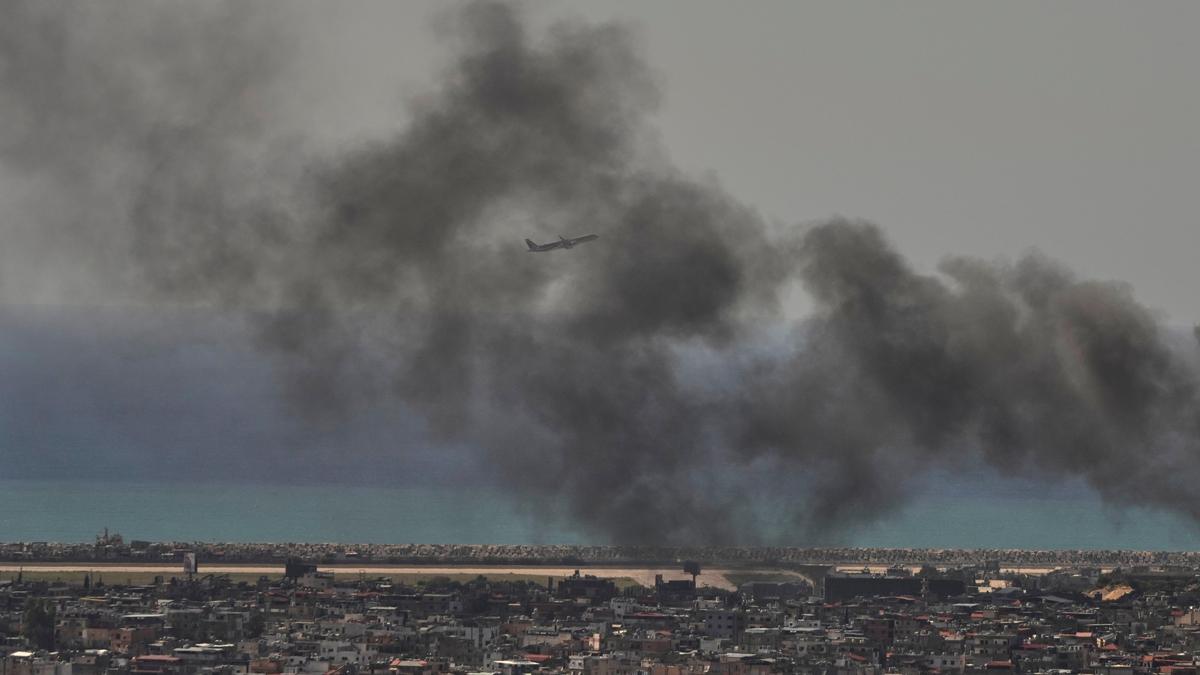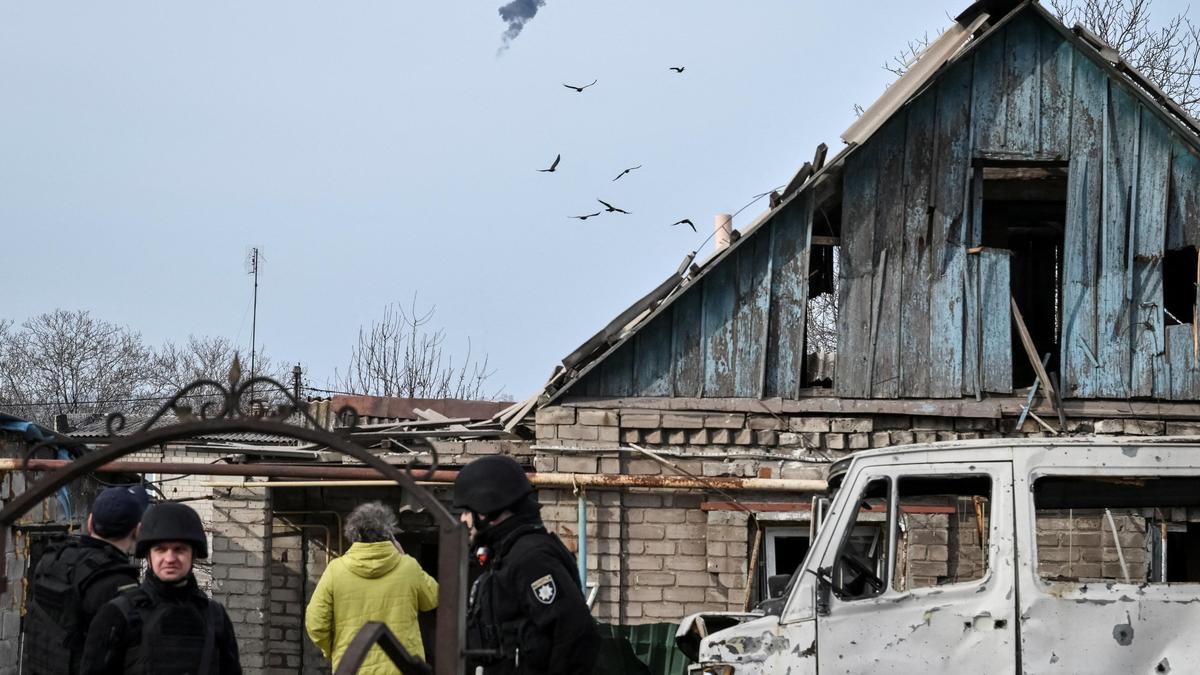
The latest Russian missile strike on Zaporizhzhia killed two civilians and turned a residential neighborhood into a graveyard of glass and concrete. While rescue teams pulled bodies from the rubble, the diplomatic machinery in Kyiv continued to churn out rhetoric about a coming peace summit. This is the split-screen reality of the Ukrainian conflict. On one side, the raw, localized horror of Iskander missiles hitting apartment blocks. On the other, a high-stakes geopolitical gamble to force Russia to the negotiating table through international pressure. The gap between these two worlds is widening, and the cost of that distance is measured in human lives.
This strike was not an anomaly. It was a calculated message sent at a moment when Ukraine is desperately trying to regain the diplomatic initiative. As President Zelenskyy pushes for a global gathering to endorse his ten-point peace formula, the Kremlin is responding with the only language it truly respects: kinetic force. The objective is clear. Moscow wants to demonstrate that no amount of diplomatic maneuvering in Switzerland or New York can protect a father walking his dog in a Zaporizhzhia park.
The Strategy of Strategic Terror
Russia has shifted its targeting logic. Early in the full-scale invasion, the focus was on rapid decapitation of the government and the seizure of infrastructure. Now, we see a refined doctrine of psychological attrition. By striking frontline cities like Zaporizhzhia, Russia aims to hollow out the civilian will to resist. They aren't just hitting military targets. They are hitting the very concept of a "normal life" behind the lines.
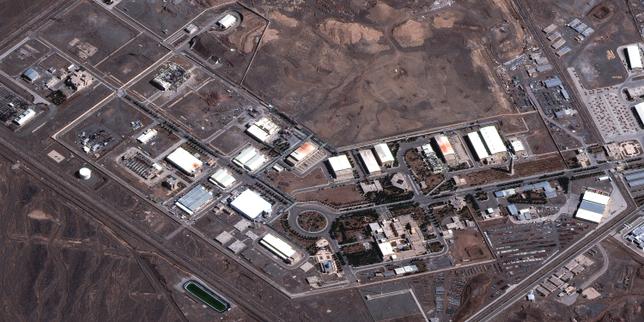
Zaporizhzhia sits in a precarious position. It is a vital logistical hub, a gateway to the south, and home to Europe's largest nuclear power plant, which remains under Russian occupation. By keeping the city in a state of constant mourning, Russia complicates Ukraine’s ability to use it as a staging ground for future counter-offensives. Every missile that hits a house forces the Ukrainian state to divert resources—emergency services, air defense batteries, and financial aid—away from the front and toward civilian recovery.
The timing of this particular strike suggests a direct response to Ukraine’s recent diplomatic successes. Kyiv has been working the phones, trying to convince the "Global South"—nations like Brazil, India, and South Africa—to attend the upcoming peace summit. Russia’s response is to show these nations that the situation on the ground is dictated by fire, not by communiqués. It is a brutal form of veto power.
The Peace Summit Paradox
Ukraine is currently trapped in a paradox. To win the war, it needs more weapons; to end the war, it needs a diplomatic framework that the rest of the world supports. The upcoming peace summit is intended to be the foundation of that framework. However, a peace process that doesn't include one of the primary combatants is, by definition, an exercise in building a coalition rather than a negotiation.
The Ukrainian administration believes that if they can get eighty or ninety countries to agree on basic principles—nuclear safety, food security, and the return of deported children—they can present a united global front that Russia cannot ignore. It is a bold plan. It is also incredibly fragile.
Many of the countries Ukraine is courting are wary of being drawn into what they perceive as a Western-led effort to isolate Moscow. They see the war not as a moral crusade, but as a regional conflict with global economic consequences. For them, the "peace talks" are only relevant if they lead to lower grain prices and cheaper energy. Russia knows this. By escalating the violence now, the Kremlin signals to these fence-sitting nations that the war is nowhere near its end, making the prospect of a "peace summit" look like a premature photo opportunity.
The Air Defense Deficit
The carnage in Zaporizhzhia highlights a critical failure in Western support: the air defense gap. While the United States and Europe debate the merits of various aid packages, Ukrainian cities remain porous.
$$Air\ Defense\ Capability = (Number\ of\ Batteries \times Interception\ Rate) - (Volume\ of\ Incoming\ Fire)$$
The math is unforgiving. If Russia fires thirty drones and ten missiles, and Ukraine only has enough interceptors for twenty targets, ten will get through. In Zaporizhzhia, they got through.
Ukraine needs a permanent, dense umbrella of protection, not the piecemeal shipments of Patriots and IRIS-T systems that have characterized the last year. The current strategy of "protecting the capital first" is a bitter necessity that leaves cities like Kharkiv, Odesa, and Zaporizhzhia exposed. This exposure isn't just a military vulnerability; it is a political one. Every time a Russian missile hits a residential building, it tests the social contract between the Ukrainian government and its people.
The Myth of the Quick Negotiation
There is a growing chorus in some Western capitals calling for an immediate ceasefire. These voices often ignore the reality of what a ceasefire means on the ground. For Russia, a ceasefire is not an end to the war; it is a chance to rearm, refortify, and wait for the West's attention to drift elsewhere.
Historical precedent in the Donbas between 2014 and 2022 shows that Russia uses "frozen conflicts" as a tool for long-term destabilization. They sign agreements they have no intention of keeping to gain tactical breathing room. To suggest that Ukraine should simply "sit down and talk" while its citizens are being pulled from the wreckage of their homes is to misunderstand the nature of the enemy.
The Kremlin's current demands involve nothing less than the total capitulation of Ukraine and the formal annexation of five regions, including Zaporizhzhia, which they do not even fully control. This isn't a starting point for negotiation; it’s an ultimatum. Ukraine’s push for a peace summit is an attempt to change these dynamics by involving third parties that might have leverage over Moscow, such as China.
The China Factor
Beijing remains the elephant in the room. If China attends the peace summit, it lends the event immense credibility and puts real pressure on Putin. If China stays away, the summit risks being dismissed as a pro-Western echo chamber.
Ukraine’s diplomats are walking a tightrope. They must appeal to China’s stated respect for "territorial integrity" without alienating the United States, their primary arms supplier. It is a grueling, thankless task performed against a backdrop of constant bombardment. The strike on Zaporizhzhia serves as a grim reminder to the Chinese and others that Russia is not looking for an exit ramp. They are looking for a total victory, and they are willing to kill as many civilians as necessary to achieve it.
Economic Attrition and the Home Front
Beyond the immediate loss of life, these strikes are part of a broader campaign of economic warfare. Zaporizhzhia is an industrial powerhouse. By terrorizing the workforce and damaging the local infrastructure, Russia is slowly strangling the Ukrainian economy.
A nation cannot sustain a long-term war effort if its industrial centers are in a state of perpetual emergency. The cost of insurance, the flight of skilled labor, and the destruction of power grids all contribute to a "hollowing out" effect. Ukraine’s GDP has shown remarkable resilience, but that resilience has its limits.
The government in Kyiv is well aware that the window for a favorable peace is tied to the stability of the home front. If the civilian population reaches a breaking point, the government’s negotiating position weakens. This is why the peace summit is being treated with such urgency. It isn't just about ending the war; it's about proving to the Ukrainian people that there is a light at the end of the tunnel.
Realities of the Front Line
While the diplomats argue over the wording of a communique, the reality on the ground remains stagnant and bloody. The frontline has barely moved in months, yet the intensity of the combat has not diminished. The Russian military is utilizing "meat waves" of infantry supported by heavy glide bombs to chip away at Ukrainian defenses.
In this environment, "moving forward with peace talks" sounds like a cruel joke to the soldiers in the trenches near Robotyne. They see the war as a binary: either they hold the line, or they die. The disconnect between the strategic maneuvers in Kyiv and the tactical desperation on the front is a traditional feature of war, but in the age of instant communication, it is more visible and more damaging than ever before.
The Cost of Inaction
The international community's response to the Zaporizhzhia strike was a familiar cycle of "condemnation" and "deep concern." These words have lost their value in Ukraine. For the residents of the city, the only thing that matters is the arrival of more air defense systems and the long-range missiles needed to strike the airfields from which these Russian attacks originate.
The peace summit may eventually provide a political framework for ending the war, but it will not stop the missiles tonight. The fundamental truth of this conflict is that diplomacy is only as strong as the military reality that backs it up. If Ukraine goes into a summit while its cities are burning and its defenses are low, it will be negotiating from a position of weakness.
The strike on Zaporizhzhia is a demand for attention. It is a reminder that while the world discusses "peace formulas" and "security architectures," the actual war is a messy, violent, and unrelenting process of destruction. Any peace plan that doesn't account for the sheer brutality of the Russian campaign—and the necessity of defeating it on the battlefield—is nothing more than a scrap of paper.
The immediate priority for Ukraine's allies should not be the guest list for a summit in Switzerland. It should be the immediate transfer of every available air defense battery to the frontline cities. Until the skies over Zaporizhzhia are clear, talk of peace remains a secondary concern to the basic requirement of survival. The international community must decide if it wants to be a witness to Ukraine's destruction or the architect of its defense. There is no middle ground.
Demand that your representatives prioritize the delivery of long-range strike capabilities to Ukraine to neutralize the launch sites of these terror attacks.