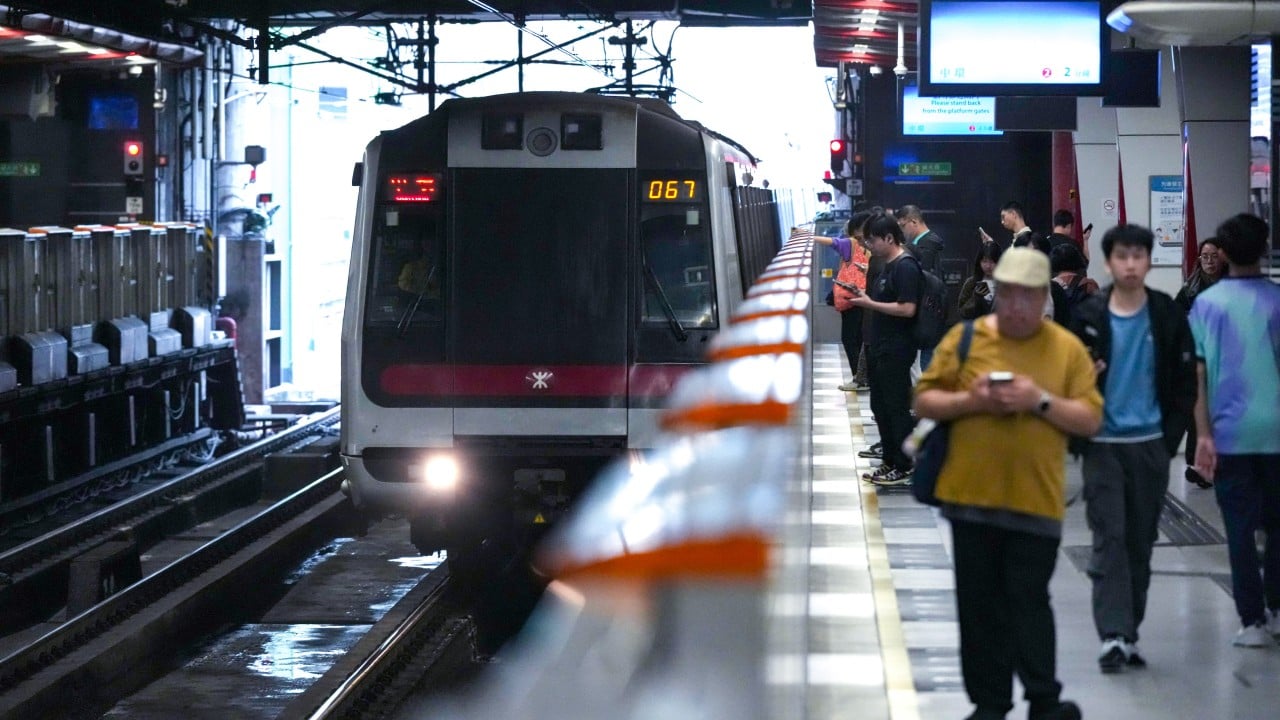
Hong Kong's MTR finally bit the bullet. After years of delays, hardware swaps, and that infamous 2019 crash during a night-time test, the new signalling system on the Tsuen Wan Line has gone live. It wasn't perfect. A few trains hit the brakes a bit too hard. Some doors didn't line up perfectly with the platform gates. But if you’ve spent any time packed like a sardine at Admiralty during rush hour, you know this change had to happen. The old system was literally running out of steam.
The transition happened over a weekend, which is the standard playbook for high-stakes infrastructure. You don't swap the brain of a metro line on a Monday morning. While the headlines focused on "minor glitches" and "initial hiccups," the real story is about how the MTR Corporation is trying to claw back its reputation for world-class efficiency. The Tsuen Wan Line is the backbone of the city. It connects the dense residential blocks of Kowloon to the financial heart of Central. When it fails, the city stops. In related news, take a look at: The Sabotage of the Sultans.
The technical reality behind the transition
We need to talk about what actually changed under the hood. The old system used a fixed-block method. Think of it like a series of invisible boxes on the track. Only one train can be in a box at a time. It's safe, but it's slow. It creates a massive gap between trains that doesn't need to be there.
The new Communication-based Train Control (CBTC) system changes the game. It uses "moving blocks." Trains talk to each other and the control center in real-time. They know exactly where the train in front is, down to the centimeter. This allows them to run much closer together. We’re talking about increasing capacity by 10 percent or more without laying a single new inch of track. In a city where every square foot is accounted for, that’s the only way to grow. Al Jazeera has also covered this important issue in great detail.
During the first few days of the rollout, passengers noticed the trains were "stuttering." That's the system being overly cautious. The software is designed to prioritize safety over everything else. If the signal isn't 100 percent clear, the computer defaults to stopping the train. I'd rather have a sudden stop than a collision. Most of these issues come down to fine-tuning the braking curves and ensuring the wireless sensors along the track are talking to the train's onboard computer without interference.
Why the 2019 shadow still looms large
You can't talk about the Tsuen Wan Line without mentioning the 2019 collision. That disaster happened during a simulation of a system failure. It pushed the project back by years. It also made the public—and the government—incredibly skeptical. The MTR had to scrap large portions of the software code and start over with more redundancies.
This is why this "smooth" launch is actually a massive relief for the engineers in West Kowloon. They didn't just replace a system; they had to rebuild trust. The minor glitches we saw this week—doors being off by a few inches or a two-minute delay at Tsim Sha Tsui—are rounding errors compared to what could have gone wrong. The fact that the system didn't suffer a total "heart attack" during the first Monday morning peak is a win, even if the commuters grumbled about a jerky ride.
What passengers should expect in the coming months
Don't expect the jerky rides to vanish overnight. The system learns. As the operators gather more data on how the trains behave under full passenger loads, they’ll tweak the acceleration and deceleration profiles. It’s a bit like breaking in a new pair of shoes. It’s going to be uncomfortable for a while.
The real benefit isn't just "faster" trains. It’s about recovery. Under the old system, a single broken-down train at Jordan would cause a ripple effect that delayed the entire line for an hour. The new digital brain handles these disruptions much better. It can reroute signals and adjust train speeds automatically to prevent the "clog" from backing up all the way to Tsuen Wan.
Common complaints vs the actual causes
- Platform door misalignment: This usually happens because the train’s "stop" command was sent a fraction of a second late due to a signal lag.
- Sudden braking: The system detected a ghost signal or a slight loss of communication and triggered the emergency failsafe.
- Longer dwell times: Operators are likely holding trains at stations slightly longer to ensure the "all clear" signal is firm before moving.
The MTR has deployed extra staff in yellow vests across major interchange stations. They aren't just there to point people to the elevators. They’re monitors. They are feeding manual data back to the control center to verify what the computers are seeing. It’s a hybrid approach that will continue until the software proves it can handle the chaos of Hong Kong’s 7:00 PM rush.
The bigger picture for Hong Kong transit
This isn't just about one line. The Island Line and the Kwun Tong Line are next. The Tsuen Wan Line is the test bed. If this works, the rest of the urban network gets the same brain transplant. We are looking at a future where the MTR can move millions more people every week without building new tunnels that cost billions.
For the average commuter, the advice is simple. Give it time. The glitches are annoying, but they are the price of progress. The alternative was staying with a 1990s system that was on the verge of obsolescence. You don't want to be riding a train controlled by tech that belongs in a museum.
If you're traveling during peak hours, check the MTR app before you leave. It’s more accurate than it used to be because it’s pulling data directly from this new digital backbone. If you see a "minor delay" warning, it’s probably a calibration issue. Take the bus or give yourself an extra ten minutes. The system will stabilize. It always does. This is a massive engineering feat that most people will only notice when it stops working. For now, the fact that it's mostly working is exactly what was needed.