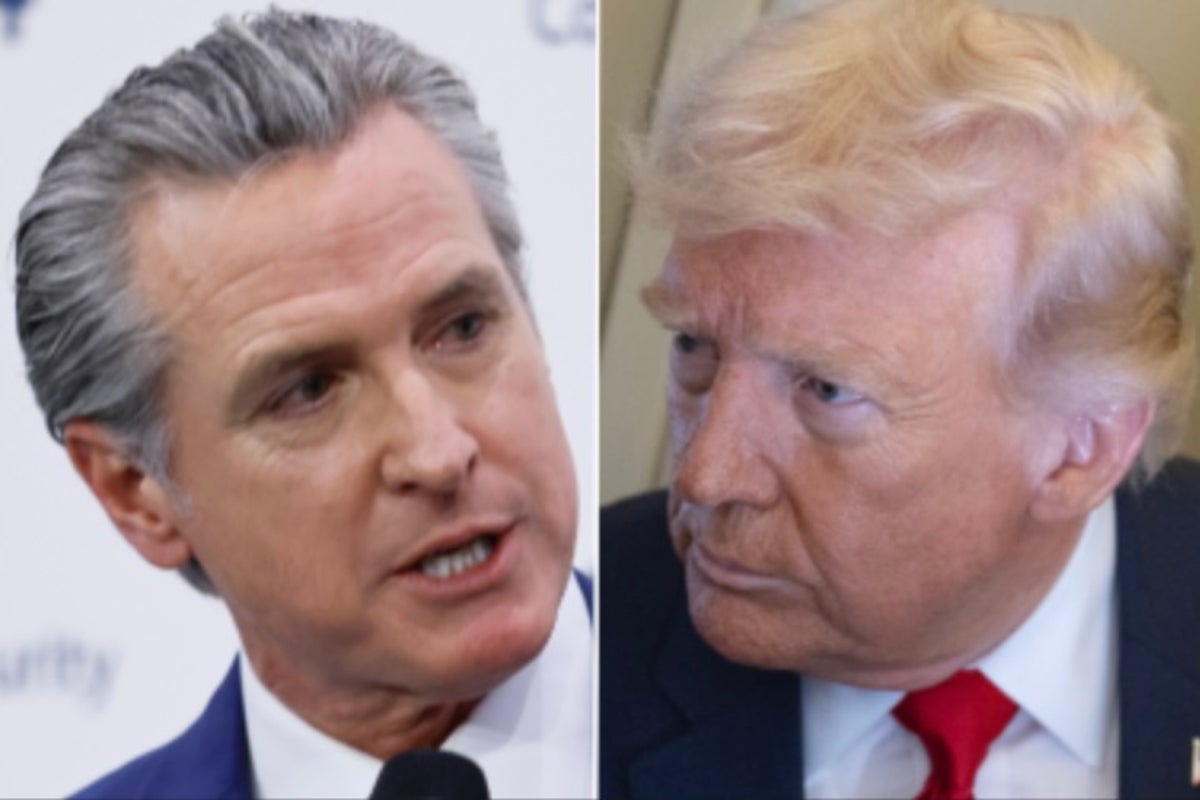
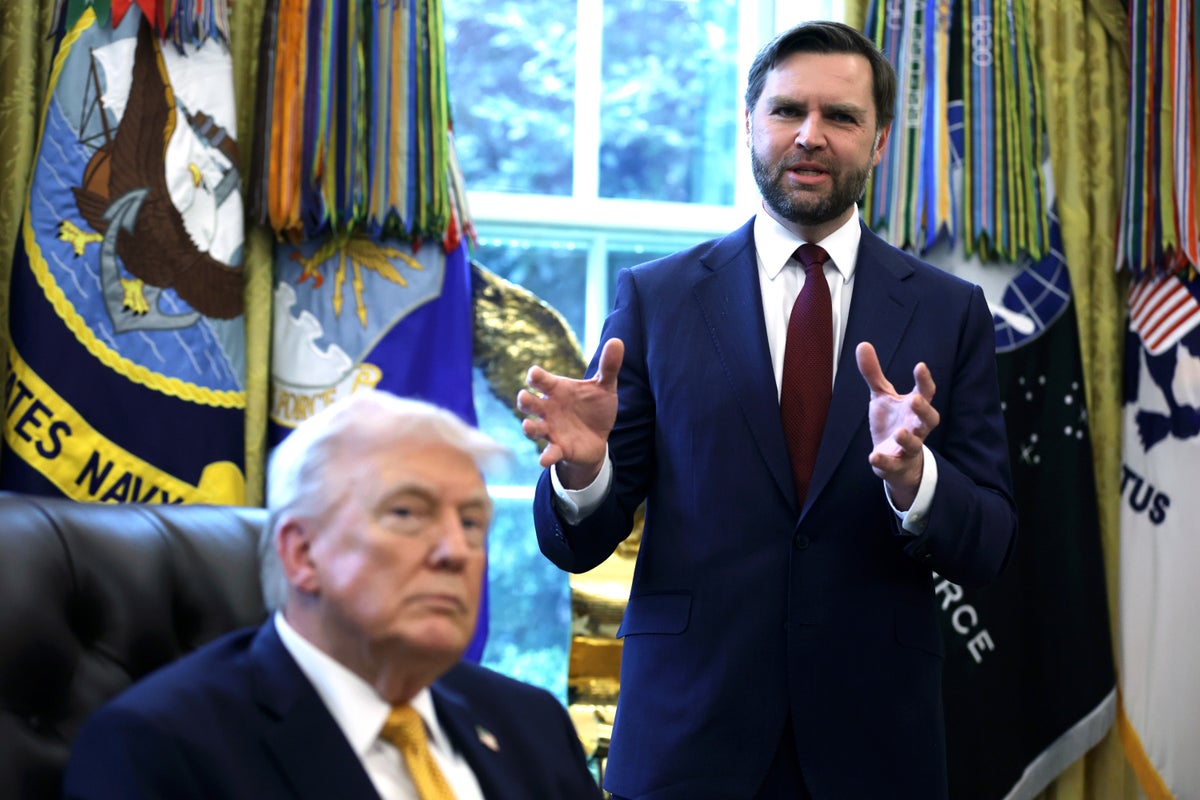
The British media is currently obsessed with a phantom. Turn on GB News or scroll through the Westminster bubble’s X feeds, and you’ll see the same panicked narrative: Donald Trump’s return to the White House is a "breaking alert" disaster for Keir Starmer. They paint a picture of a sidelined UK, a trade war victim, and a Prime Minister who is ideologically allergic to the MAGA movement.
They are wrong. Dead wrong.
The lazy consensus suggests that a clash between a center-left Downing Street and a populist-right White House creates a geopolitical vacuum. In reality, Trump is the best thing that could happen to Starmer’s domestic and international standing. If Starmer has the backbone to play the hand correctly, he won't be "grinding to a halt"—he’ll be accelerating.
The Myth of the Special Relationship Trade War
Let’s dismantle the trade panic first. The hysterical warnings about Trump’s proposed 10% across-the-board tariffs ignore the basic mechanics of how he negotiates. Trump doesn't want a trade war with the UK; he wants a trophy.
I have watched dozens of trade negotiations crumble because bureaucrats tried to be "fair." Trump isn't looking for fair. He is looking for a deal he can sell to his base as a win. For Starmer, this is an open goal. By positioning the UK as the "rational bridge" between a protectionist US and a sluggish, over-regulated Eurozone, Starmer can carve out sector-specific exemptions that the EU, hampered by its 27-member consensus machine, never could.
The mistake most analysts make is assuming Starmer has to choose between Brussels and Washington. That is 20th-century thinking. In a fragmented global economy, the winner is the agile middleman. If the US imposes tariffs on the EU, and the UK secures a "carve-out" for aerospace and scotch whiskey by promising to increase defense spending to $3$ percent of GDP—something the UK likely needs to do anyway—Starmer becomes the only leader in Europe with a functioning economic relationship with the world's largest economy.
Starmer Needs an External Villain
Every successful government needs a foil. Thatcher had the unions. Blair had the "forces of conservatism." Starmer, currently struggling with a flat-lining approval rating and a gloomy "black hole" narrative, desperately needs an external force to define himself against.
A Trump presidency provides the perfect atmospheric pressure.
When Trump mocks NATO or questions climate targets, Starmer gets to play the "grown-up in the room" on the world stage. It’s a low-cost way to build moral authority without actually passing a single piece of difficult domestic legislation. Every time a GB News alert flashes about a Trump tweet, Starmer’s team should be popping champagne. It allows them to frame every unpopular domestic choice as a "necessary defense of British stability in an unstable world."
The Defense Spending Trap
The pundits claim Starmer is trapped by Trump’s demand for higher defense contributions. This isn't a trap; it’s an escape hatch.
The UK’s military is currently a skeleton of its former self. We are operating with a shrinking navy and a regular army that could barely fill a football stadium. Starmer knows he has to spend more. However, selling tax hikes or spending cuts to fund the Ministry of Defence is a nightmare for a Labour leader.
Enter Donald Trump.
If Trump demands $3$ or $4$ percent of GDP spend on defense, Starmer can pivot. He isn't "cutting the winter fuel allowance to buy tanks"; he is "protecting Britain’s security interests against a shifting global order." He gets to modernize the military using Trump as the political human shield. It’s a classic move: do the thing you wanted to do anyway, but blame the loud guy across the Atlantic so your own backbenchers don't revolt.
Why the "Left-Wing Conflict" is a Distraction
There is a lot of noise about David Lammy’s past comments regarding Trump. People ask: "How can they work together after what was said?"
This question fundamentally misunderstands how power works at this level. Trump doesn't care about what a shadow minister said in a 2018 magazine article. He cares about who is in charge now and what they can do for him. He has worked with people who called him "Hitler" (JD Vance) and people who tried to impeach him.
The idea that Starmer is "doomed" because of ideological friction is a hallmark of amateur analysis. In the real world, the UK is a nuclear power, a permanent member of the UN Security Council, and the premier intelligence partner of the United States. That is the currency. Everything else is theater.
The Institutional Advantage
I’ve seen how these departments operate when the leadership is supposedly at odds. The "deep state" (to use Trump’s favorite term) or the Civil Service (to use ours) doesn't stop working because the bosses don't like each other’s ties.
The Five Eyes intelligence sharing, AUKUS, and the financial plumbing between the City of London and Wall Street are far more resilient than a headline about a "breaking alert." In fact, a Trump presidency likely strengthens the UK's hand within the Five Eyes because the US will be increasingly skeptical of European allies like France and Germany, who have consistently failed to meet their obligations and have cozy ties with China.
The Real Danger (That Nobody Is Talking About)
If there is a risk, it isn't that Starmer and Trump will fight. It’s that Starmer will be too timid to seize the opportunity.
The "lazy consensus" fears a trade war. The actual risk is that Starmer tries to play it safe by aligning too closely with the EU’s retaliatory stance. If he does that, he loses his leverage. He becomes just another voice in the European choir that Trump has already tuned out.
To win, Starmer has to be a "British Gaullist." He needs to be fiercely independent, transactional, and willing to break ranks with Brussels to secure a bilateral advantage with Washington.
Imagine a scenario where the UK refuses to join an EU-wide carbon border tax in exchange for a streamlined "fast-track" for UK tech firms into the US market. That is the kind of ruthless pragmatism that a Trump era demands. It would infuriate the Liberal Democrats and the Labour left, but it would secure the UK’s economic future for a decade.
The People Also Ask: Is Starmer Actually Prepared?
The short answer: No, but he doesn't need to be.
Most people ask if Starmer is "ready" for the chaos of a second Trump term. This is the wrong question. You don't "prepare" for a hurricane; you build a house that can withstand it and then figure out how to use the wind to turn your turbines.
The UK government's primary job is to remain useful. As long as the UK remains the most competent military and intelligence partner in the Atlantic, Trump will deal. The "bad news" reported by the likes of GB News is actually just high-octane political fuel.
Stop looking for harmony. Start looking for leverage.
The "breaking alerts" are designed to make you feel like the world is ending. For a strategic leader, those alerts are just market signals. The price of the "Special Relationship" just went up, and the UK is the only entity selling what the US needs in Europe.
If Starmer plays this as a victim, he fails. If he plays it as a broker, he wins.
The "halt" the media is talking about isn't a crisis. It's a pause before the real game begins. The status quo is dead, and that is the best news Keir Starmer has had since the election.
Stop worrying about the tweets. Watch the data. Watch the defense contracts. Watch the intelligence briefings.
The noise is for the audience. The power is in the silence between the alerts.