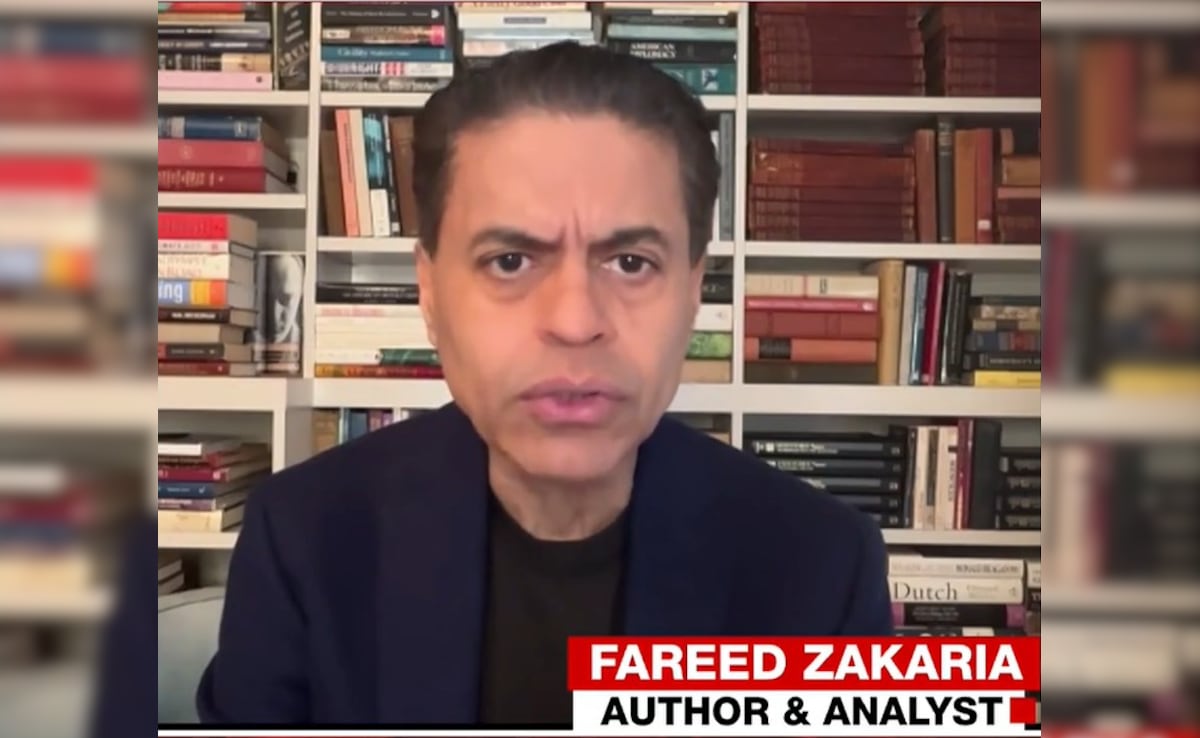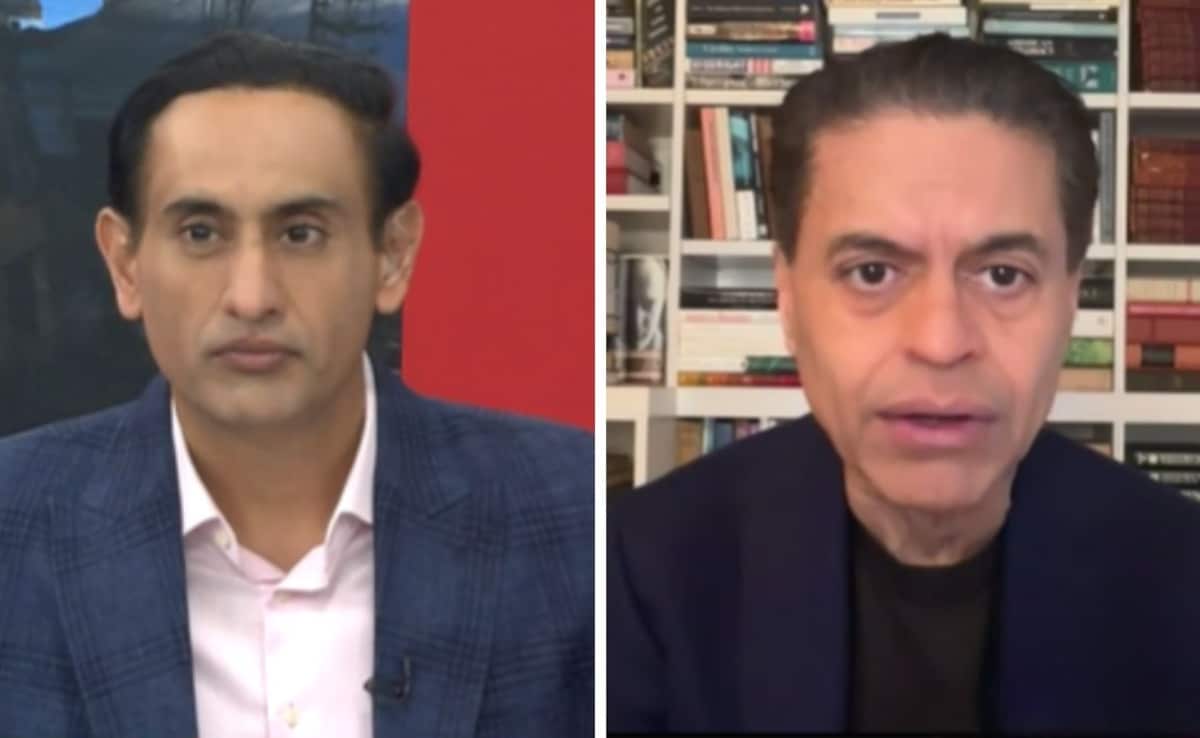
The geopolitical "expert" class has a favorite bedtime story. It involves a map, a narrow strip of water, and the terrifying idea that Iran can flip a switch to plunge the global economy into a dark age. Fareed Zakaria and the NDTV crowd love to repeat the line that opening the Strait of Hormuz is impossible without Iranian consent. They treat the Strait like a magical chokehold that Tehran owns outright.
They are wrong. Discover more on a similar issue: this related article.
The idea that the Strait of Hormuz is an unbreakable Iranian trump card is a lazy consensus built on 1980s naval doctrine and a fundamental misunderstanding of modern power projection. If you believe the Strait is a "one-way door" controlled by the Islamic Revolutionary Guard Corps (IRGC), you aren't looking at the data. You’re looking at a ghost.
The Geography of Fear vs. The Reality of Physics
The Strait of Hormuz is roughly 21 miles wide at its narrowest point. That sounds small until you realize the depth of the shipping lanes and the sheer volume of water involved. The "bottleneck" narrative suggests that sinking a few tankers would plug the hole. Additional reporting by The Washington Post explores comparable perspectives on this issue.
It won't.
Sinking a modern Very Large Crude Carrier (VLCC) is remarkably difficult. These are double-hulled monsters. During the "Tanker War" of the 1980s, hundreds of ships were hit by missiles and mines. Only a tiny fraction actually sank. Even if one did, the Strait is not a straw; it’s a massive basin. You cannot "block" it with debris any more than you can block a highway by dropping a suitcase on it.
The real threat isn't physical obstruction. It’s the insurance premium. The moment a mine touches a hull, Lloyd’s of London spikes rates to the moon. The "closure" of the Strait is always a financial event before it is a military one. But here is what the talking heads miss: Iran is the entity most vulnerable to that financial shock.
Why Iran is Suicidal if They Pull the Trigger
The conventional wisdom says Iran holds the world hostage with the Strait. The counter-intuitive reality? The Strait holds Iran hostage.
Iran’s economy is a brittle, specialized machine. It relies on the export of petroleum products and the import of refined goods and food. While the UAE and Saudi Arabia have spent billions building pipelines that bypass the Strait—like the Habshan–Fujairah line or the East-West Pipeline to the Red Sea—Iran has no such luxury for the bulk of its trade.
If Tehran closes the Strait, they aren't just locking the world out; they are locking themselves in a room that is rapidly filling with carbon monoxide.
- The Chinese Factor: Who is Iran’s biggest customer? China. Beijing does not tolerate disruptions to its energy supply. If Iran shuts the Strait, they aren't just poking the "Great Satan" in Washington; they are cutting the throat of their only superpower patron.
- The Internal Pressure: Iran’s regime survives on its ability to fund its internal security apparatus. A total halt in maritime trade triggers an immediate currency collapse. You don't get a "controlled" closure; you get a domestic implosion.
The Myth of the "Swarm"
We’ve all seen the grainy footage of IRGC speedboats buzzing around US destroyers. The pundits point to this as "asymmetric warfare" that the West can't counter. I’ve sat in rooms with naval strategists who sweat over these simulations. But those simulations often ignore the evolution of automated defense.
In a high-intensity conflict, the US Navy isn't playing by the "rules of engagement" used during peacetime patrols. The moment the Strait is declared a combat zone, those speedboats aren't "harassing" ships; they are targets for C-RAM, Hellfire missiles, and drone swarms that move faster than any human pilot can react.
The IRGC knows this. Their strategy is 90% theater. They use the threat of closure to gain leverage in nuclear negotiations because they know the West is allergic to high gas prices. But there is a massive difference between posturing in a grey-zone conflict and actually engaging in a full-scale maritime interdiction. The latter results in the total evaporation of the Iranian Navy in roughly 72 hours.
The "Silent" Bypass Infrastructure
Zakaria argues that the world is helpless without Iranian "acceptance." He’s ignoring the quiet engineering of the last decade.
| Pipeline | Capacity (Million Barrels/Day) | Bypasses Hormuz? |
|---|---|---|
| Abu Dhabi Crude Oil Pipeline | 1.5 - 1.8 | Yes (to Fujairah) |
| Saudi East-West Pipeline | 5.0+ | Yes (to Yanbu) |
| Petroline Expansion | 7.0 | Yes |
We aren't in 1979 anymore. While a closure would certainly cause a price spike ($150+ oil is a conservative estimate for the first week), the physical flow of oil would not hit zero. The "acceptance" of Iran is a political preference, not a physical necessity.
The Precision Strike Paradigm
The most dangerous misconception is that reopening the Strait requires a "boots on the ground" invasion. It doesn't.
If Iran attempts to mine the Strait, the response won't be a slow-moving convoy of minesweepers from the 1940s. It will be an integrated campaign of UUVs (Unmanned Underwater Vehicles) and precision strikes on the coastal missile batteries.
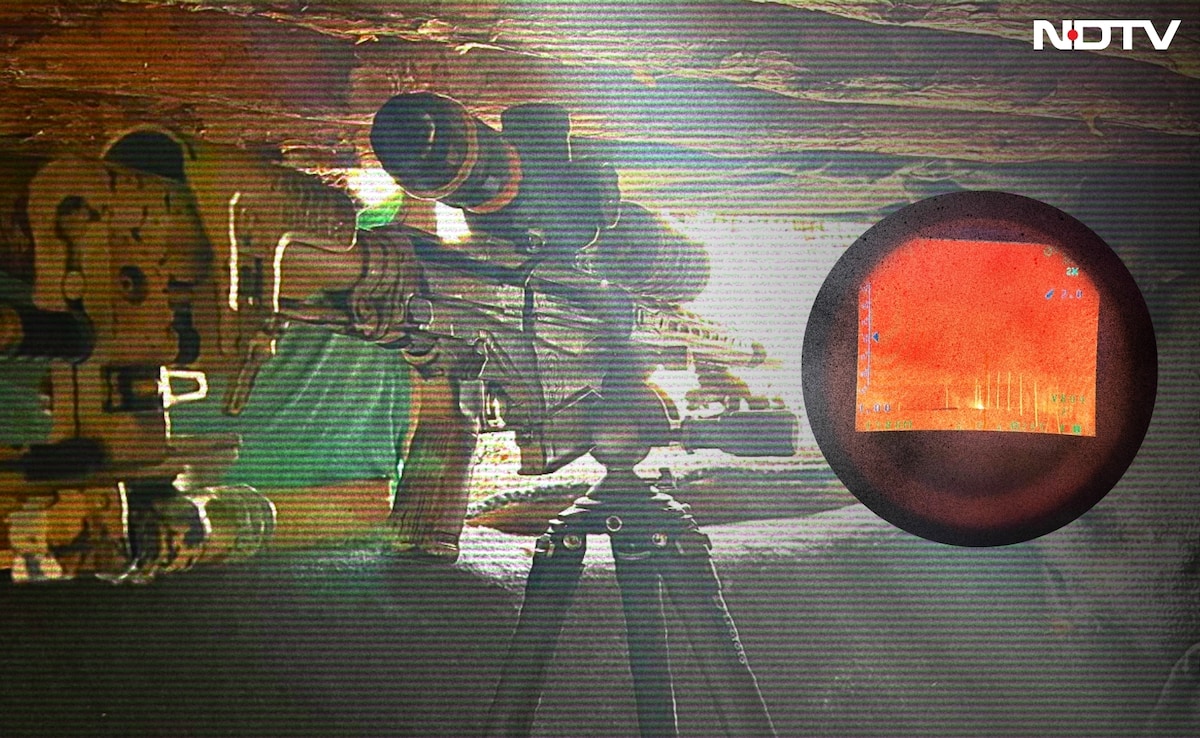
The status quo assumes that Iran can hide its anti-ship cruise missiles (ASCMs) in the mountains and fire with impunity. They forget about the persistence of modern ISR (Intelligence, Surveillance, and Reconnaissance). We see the heat signatures of the trucks moving the missiles before they even level their jacks.
The "difficulty" isn't military. It’s the political will to endure a three-week global recession while the cleanup happens.
Stop Asking if Iran Will Close It
The question isn't "Can we open it without them?" The answer is "Yes, with enough explosives."
The real question you should be asking is: "Why does the West keep pretending Iran has the upper hand?"
By treating the Strait as Iran’s sovereign switch, we give Tehran the very leverage they lack in reality. We are participating in a collective delusion that benefits the Iranian regime’s bargaining position. Every time a major news outlet runs a segment on how "difficult" it is to manage the Strait, a general in Tehran gets his wings.
The Strait of Hormuz is a highway. Iran is a reckless driver in a beat-up car. They can cause a massive pile-up, sure. They can ruin everyone’s afternoon and make the insurance rates spike. But they don't own the road, and they certainly don't have the power to keep it closed once the heavy machinery arrives to clear the wreck.
If you want to understand the Middle East, stop listening to the "acceptance" narrative. Start looking at the bathymetry, the pipeline capacity, and the desperate state of the Iranian rial. The Strait isn't Iran’s weapon; it’s their gallows.
They won't kick the chair unless they have no other choice but to die.
Stop being afraid of a ghost that is terrified of its own shadow.