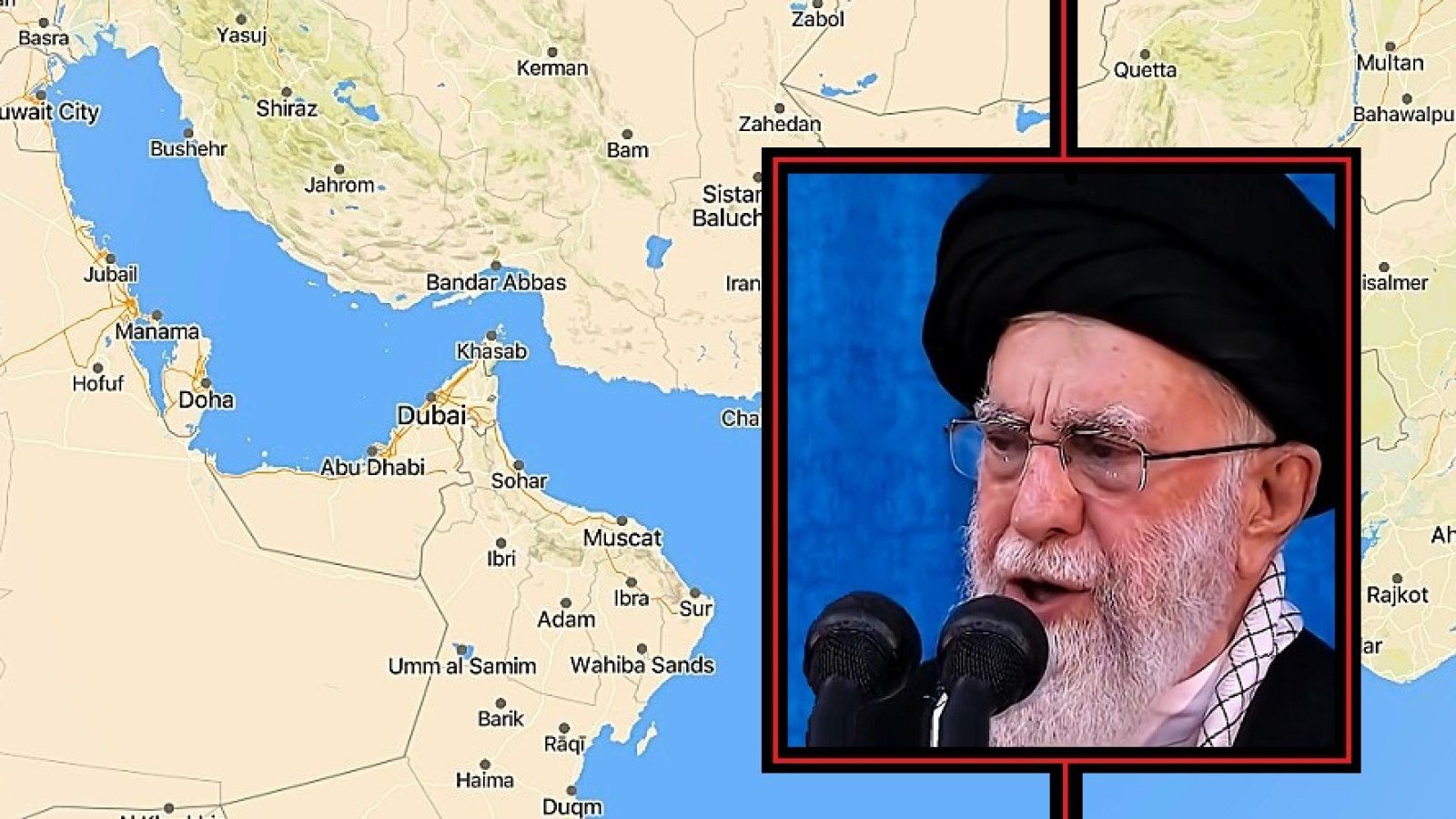
The mainstream media is obsessed with a ghost. Turn on any news cycle regarding the escalating tensions between Iran, Israel, and the U.S., and you will hear the same exhausted trope: the "catastrophic" closure of the Strait of Hormuz. Pundits paint a picture of a global economy choked to death, oil hitting $200 a barrel, and a world plunged into darkness because Tehran decides to drop the gate on a 21-mile-wide stretch of water.
It is a fantasy. It is a geopolitical campfire story designed to scare investors and juice defense budgets.
Iran isn't going to close the Strait of Hormuz. They can’t afford to, they don’t have the naval persistence to sustain it, and—most importantly—they’ve already realized that selective "special passage" is a far more potent weapon than a total blockade. While the world waits for a cinematic naval battle, the real shift is happening in the mundane logistics of LPG tankers and back-channel diplomatic exemptions.
The Sovereignty Illusion
The "lazy consensus" suggests that Iran holds a kill-switch for global trade. This ignores the basic physics of naval warfare and the brutal reality of Iran’s own balance sheet.
Iran’s economy is a creature of the very water it threatens to close. You don't weld your own front door shut when you’re the one who needs to go to the grocery store. Over 80% of Iran’s trade—including the "shadow" oil exports that keep the regime breathing—flows through that same choke point. A total blockade isn't a tactical move; it’s a suicide pact.
Furthermore, the legal framework is messier than the headlines suggest. Iran often cites the 1982 UN Convention on the Law of the Sea (UNCLOS) to justify "checking" ships, yet they never actually ratified it. They operate on a custom blend of "innocent passage" rules that they rewrite whenever a Revolutionary Guard commander needs a PR win. But checking a hull is not the same as stopping a fleet.
India’s Masterclass in Geopolitical Hedging
While Western analysts wring their hands, New Delhi is putting on a clinic. The recent reports of Indian LPG tankers receiving "special passage" or being shielded from the "enemy ship" designation aren't a fluke of luck. They are the result of a calculated, multi-decade refusal to pick a side.
India has done what the U.S. refuses to do: they’ve made themselves indispensable to everyone.
- To Iran: India is the primary developer of the Chabahar Port, Iran’s only oceanic port that bypasses the Strait entirely.
- To Israel: India is a massive defense partner and a key pillar of the I2U2 group.
- To the U.S.: India is the "Major Defense Partner" meant to counter China.
By maintaining this triad, India has secured a "VIP pass" through the world’s most dangerous waters. When Iran says the Strait is closed to "enemies," they aren't talking about the tankers feeding the subcontinent. They are talking about a very specific, dwindling list of Western-flagged vessels.
The takeaway for the industry is clear: Neutrality is no longer a passive stance; it is a high-value commodity. If your flag isn't "friendly," your insurance premiums are your new tax for failing to adapt to a multi-polar world.
The Myth of the $200 Barrel
Let’s dismantle the economic scaremongering. The "Hormuz Premium" on oil prices is largely psychological.
In a hypothetical scenario where a mine or a stray drone actually halts traffic for 72 hours, the market would spike. But the modern energy landscape isn't the 1970s. We have the Strategic Petroleum Reserve (SPR) in the U.S., massive commercial stockpiles in China, and—critically—the East-West Pipeline in Saudi Arabia and the Abu Dhabi Crude Oil Pipeline.
These bypass routes can move roughly 6.5 million barrels per day. Is it enough to replace the 20 million barrels that transit the Strait? No. But it is enough to prevent a total systemic collapse while the U.S. Fifth Fleet clears the "nuisance" out of the water.
The real danger isn't the lack of oil; it's the cost of shipping it. The "war risk" surcharges are where the real war is fought. Insurance companies, not admirals, are the ones who actually close the Strait. When the cost of insuring a Suezmax tanker exceeds the profit of the cargo, the Strait is effectively closed without a single shot being fired.
Why a "Controlled Crisis" is More Likely than War
The IRGC (Islamic Revolutionary Guard Corps) understands the law of diminishing returns. A full-scale war with Israel and the U.S. ends with the total destruction of the Iranian Navy and the clerical establishment. They aren't interested in a glorious defeat.
They are interested in "Grey Zone" warfare. This involves:
- Selective Harassment: Seizing a mid-tier tanker to negotiate for frozen assets.
- Technological Posturing: Using cheap, $20,000 Shahed drones to force a $2 million interceptor missile response.
- Diplomatic Triage: Allowing "friendly" nations like India or China to pass unmolested to ensure that the global outcry remains divided.
If you are waiting for a declaration of war, you’re looking at the wrong map. The war is already happening in the form of diverted routes, "dark fleet" transponders being flicked off, and the quiet redirection of Indian energy contracts.
The Flaw in the "Enemy Ships" Rhetoric
Iran’s definition of an "enemy" is surprisingly fluid. It’s a sliding scale based on how much leverage Tehran needs at any given moment.
When the Sunday Guardian or other outlets report that the Strait is "open but not for enemies," they are missing the subtext. This is a solicitation for bribes and diplomatic concessions. It’s an invitation for nations to distance themselves from U.S. policy in exchange for maritime safety.
By categorizing ships as "friends" or "enemies," Iran is effectively trying to privatize the Law of the Sea. They are testing the waters to see which nations will break ranks with the U.S. sanctions regime to ensure their energy security. India’s success here isn't an anomaly; it’s the blueprint.
The Institutional Failure of Western Strategy
For years, the U.S. and its allies have relied on the "deterrence" of carrier strike groups. But carriers are massive, expensive targets in a narrow pond. You don't bring a scalpel to a swamp fight.
The failure of the West lies in its inability to offer a counter-incentive to the "special passage" model. If you are a shipping magnate in Singapore or a refiner in Gujarat, who do you listen to? The superpower that says "we will protect the commons" (but can't stop a drone from hitting your bridge), or the regional power that says "sign this deal and we’ll leave you alone"?
The "Global Commons" is a dying concept. We are entering an era of "Feudal Waters," where safety is bought through bilateral tribute, not guaranteed by international law.
Stop Asking if the Strait Will Close
The question "Will Iran close the Strait of Hormuz?" is the wrong question. It’s a binary trap.
The right question is: "How much is the Strait already closing for you?"
If you are an American-aligned firm with no footprint in Tehran or a seat at the table in New Delhi, the Strait is already narrowing. Your costs are higher, your transit times are longer, and your risk profile is radioactive.
Meanwhile, India’s tankers are moving. China’s "shadow" fleet is growing. The Strait isn't a gate; it’s a filter. It is filtering out the old guards of the 20th-century order and rewarding those who know how to play the middle.
The blockade isn't coming. It’s already here, and it's being managed through spreadsheets and "special passages," not torpedoes.
Stop looking for the explosion and start looking at the manifests. The war for the Strait of Hormuz has already been won by the people who realized that you don't need to stop the oil—you just need to decide who gets to keep their margins.
Get your tankers off the "enemy" list or get out of the water.