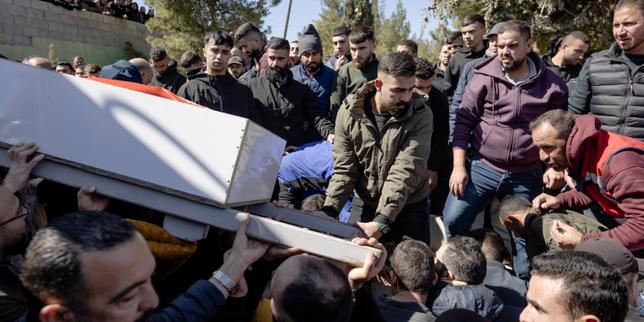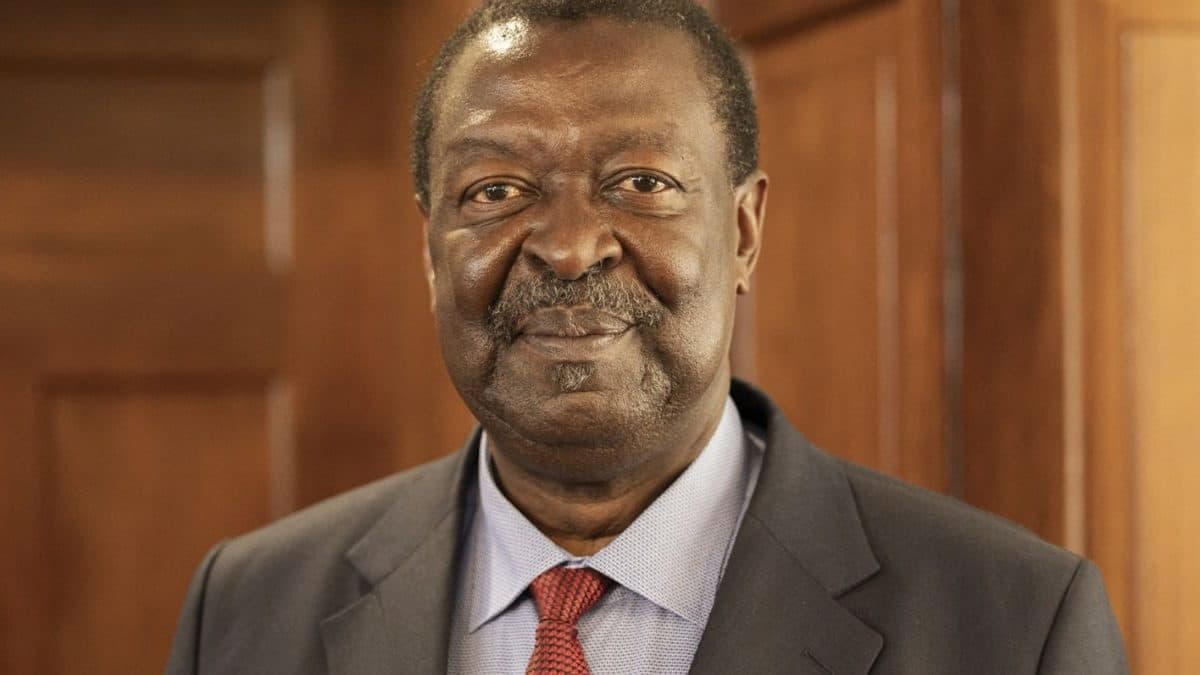
The headlines are predictable. They scream about "forced recruitment," "diplomatic crises," and the Kenyan Foreign Minister rushing to Moscow to "demand answers." It is a comfortable narrative. It paints a picture of innocent global south citizens being snatched off the streets or tricked by mustache-twirling villains in the Kremlin.
It is also a lie.
If you want to understand why Kenyans, Indians, and Nepalese men are ending up in the trenches of the Donbas, stop looking for a kidnapping plot and start looking at the spreadsheets of the global labor market. This isn't a human rights story; it's a brutal, high-stakes arbitrage play. The "forced recruitment" narrative is a face-saving exercise for governments that have failed to provide economic dignity to their youth.
The Myth of the Unwitting Victim
The common consensus suggests these men thought they were signing up to be "security guards" or "construction workers" and were suddenly handed an AK-74 and told to charge a treeline. While some deceptive marketing exists, the idea that thousands of men from savvy, digitally connected backgrounds are being "tricked" en masse ignores the reality of modern migration.
People don't fly halfway across the world for a "security job" that pays five times the local rate without knowing there is a catch. They know. They are calculating the risk. In Nairobi or Mombasa, the choice isn't between a cushy office job and a Russian trench. It is between a lifetime of systemic poverty and a 10% chance of a life-changing payout.
When the Kenyan FM heads to Moscow, he isn't there to stop "forced recruitment." He is there because the political optics of dead citizens are becoming a liability. But make no mistake: if Russia offered those same men a legal, safe path to earn $2,000 a month—roughly ten times the average Kenyan salary—the line at the embassy would stretch around the block.
Arbitrage with Human Capital
In economic terms, what we are seeing is the ultimate commodification of desperation. Russia has a labor shortage and a massive demographic hole. Kenya has a massive youth bulge and a stagnant economy.
The "mercenary" is simply the most extreme version of the migrant worker. We accept that people will risk their lives on leaky rafts to cross the Mediterranean for the chance to wash dishes in Paris. Why are we shocked when they take a flight to Moscow for the chance to get a Russian passport and a combat bonus?
The competitor articles focus on the "morality" of the recruitment. Morality is a luxury of the well-fed. If you are a 24-year-old in a Nairobi slum with no prospects, the "sovereignty of Ukraine" is an abstract Western concept. The $2,000 signing bonus is real. The promise of citizenship in a country that (technically) has heating and infrastructure is real.
The Failure of the "Security Guard" Defense
Governments like Kenya's use the "they were promised security jobs" line to avoid admitting two uncomfortable truths:
- Their own regulatory frameworks for labor export are porous and corrupt.
- They cannot compete with the "death premium" offered by a desperate superpower.
I have spent years watching how private military companies (PMCs) operate in gray markets. They don't need to kidnap people. They use localized sub-agents—often fellow countrymen of the recruits—who speak the language and know exactly which buttons to push. These agents aren't selling "war"; they are selling "opportunity." They are selling a way out.
When a Kenyan man signs a contract in a language he barely understands, he isn't being "forced." He is participating in a desperate gamble. He knows the risks are high, but he perceives the risk of staying home—the risk of permanent, crushing poverty—as being higher.
Why Diplomacy is a Smoke Screen
The visit of the Foreign Minister to Moscow is a performance. It is diplomatic theater designed to signal to the West that Kenya isn't "pro-Russia" while signaling to the domestic audience that the government "cares."
If the Kenyan government actually wanted to stop this, they wouldn't go to Moscow. They would go after the recruitment networks in Nairobi. They would crack down on the "travel agencies" that are fronting for Wagner-adjacent entities. They don't do this effectively because these agencies often have ties to the very elites who run the country.
Furthermore, Russia has zero incentive to stop. From Moscow's perspective, a dead foreign volunteer is a political "freebie." There is no Russian mother to cry on state TV. There is no domestic political cost. It is the perfect solution to their "meat wave" tactics: use the world's poor as a buffer for the Russian middle class.
The Cold Logic of the Trench
Let’s dismantle the "forced" element with some basic logistics. An army that relies on "forced" foreign recruits who don't want to be there is an army that collapses. You cannot hold a front line with thousands of men who are only there because they were "tricked."
What is actually happening is more nuanced:
- Initial Entry: Recruits enter on student or work visas.
- The Squeeze: Their legal status is intentionally compromised, or they are offered a "choice" between deportation and a military contract.
- The Buy-in: Once the contract is signed and the first payment hits a family bank account back in Kenya, the recruit is "in." They are now part of the machine.
This isn't slavery; it's a predatory loan where the collateral is your life.
The Hypocrisy of Western Outrage
The West loves to condemn Russia for using foreign fighters, yet the history of Western private military contractors is built on the same foundation. During the height of the Iraq and Afghanistan wars, companies like Blackwater (now Academi) and Triple Canopy flooded the zone with "Third Country Nationals" (TCNs) from Uganda, the Philippines, and Colombia.
Those men were paid a fraction of what American contractors earned. They were placed in the most dangerous static guard positions. They died in obscurity. Where was the "forced recruitment" outcry then?
The reality is that the global "security" industry has always been a way to outsource the blood price of war to the Global South. Russia isn't inventing a new evil; they are just more ham-fisted and desperate about it.
Stop Asking if it’s Legal—Ask if it’s Inevitable
People ask: "Is this legal under international law?"
Wrong question. International law is a suggestion when you are fighting an existential war of attrition.
The real question is: "How do you stop a man from selling his life when his life has no market value at home?"
Until Kenya—and the rest of the Global South—can offer its youth a path to the middle class that doesn't involve crossing a border or carrying a rifle, Moscow will always have a steady supply of volunteers.
The Inversion of the Power Dynamic
Interestingly, this recruitment drive is actually a sign of Russian weakness, not strength. A superpower does not need to scrounge for infantry in the slums of Nairobi. This is an admission that the Russian state cannot convince its own people to die for Putin's "Special Military Operation" in sufficient numbers.
But for the recruit, Russian weakness is an opportunity. In the chaos of a failing superpower, the rules are negotiable. If you survive six months, you aren't just a veteran; you are a Russian citizen with a bank account full of rubles. For some, that is a better deal than anything they’ve ever been offered.
The Brutal Advice No One Wants to Hear
If you are a policymaker in a developing nation, stop crying "forced recruitment" to the press. It makes you look weak and your citizens look like children.
Instead, you do two things:
- Legalize and Regulate: If your people are going to fight in foreign wars, treat it like any other high-risk export. Create a state-sanctioned framework that ensures pay is held in escrow and insurance is guaranteed. If you can’t stop them from going, at least ensure the "death premium" is actually paid to the families.
- Economic Counter-Insurgency: Realize that every citizen you lose to a Russian trench is a failure of your domestic economic policy.
The Moscow visit won't change anything. The recruitment will continue because the market demands it. The trenches in Ukraine are hungry, and as long as poverty is a greater threat than a 155mm artillery shell, the flights from Nairobi to Moscow will stay full.
The "scandal" isn't that Russia is recruiting Kenyans. The scandal is that for many Kenyans, a Russian trench is the most viable career move they’ve seen in years.
Go home, Mr. Foreign Minister. Fix your own economy, or get used to the coffins.