Iran just drew a line in the sand that the world cannot afford to ignore. After American strikes targeted military installations on Kharg Island, Tehran’s rhetoric shifted from vague warnings to a specific, scorched-earth strategy. They're now threatening to reduce US-linked oil and energy infrastructure to ashes. This isn't just another round of Middle Eastern sabre-rattling. It’s a direct challenge to the global energy supply chain during one of its most fragile periods.
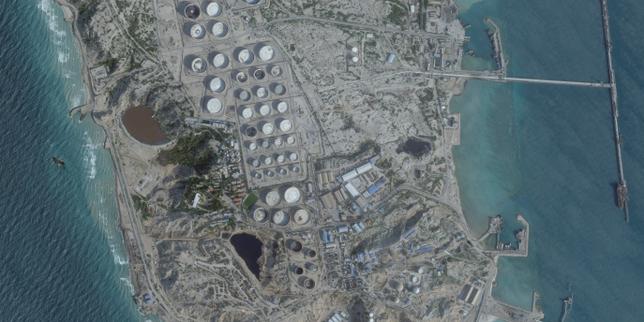
Kharg Island is the juggernaut of Iranian oil. It handles roughly 90% of the country’s crude exports. When the US military hits targets there, they aren't just popping a few radar stations. They’re poking the heart of Iran’s economy. Tehran’s response is predictable but terrifying in its scale. If they can’t export, they want to make sure nobody else in the region can either.
Why Kharg Island Matters More Than You Think
To understand why this situation spiraled so quickly, you have to look at the geography. Kharg Island sits in the Persian Gulf, a tiny speck of land with a massive target on it. It’s the terminal for the Ganaveh pipeline. It’s where the tankers dock. If Kharg goes dark, Iran’s primary source of hard currency vanishes.
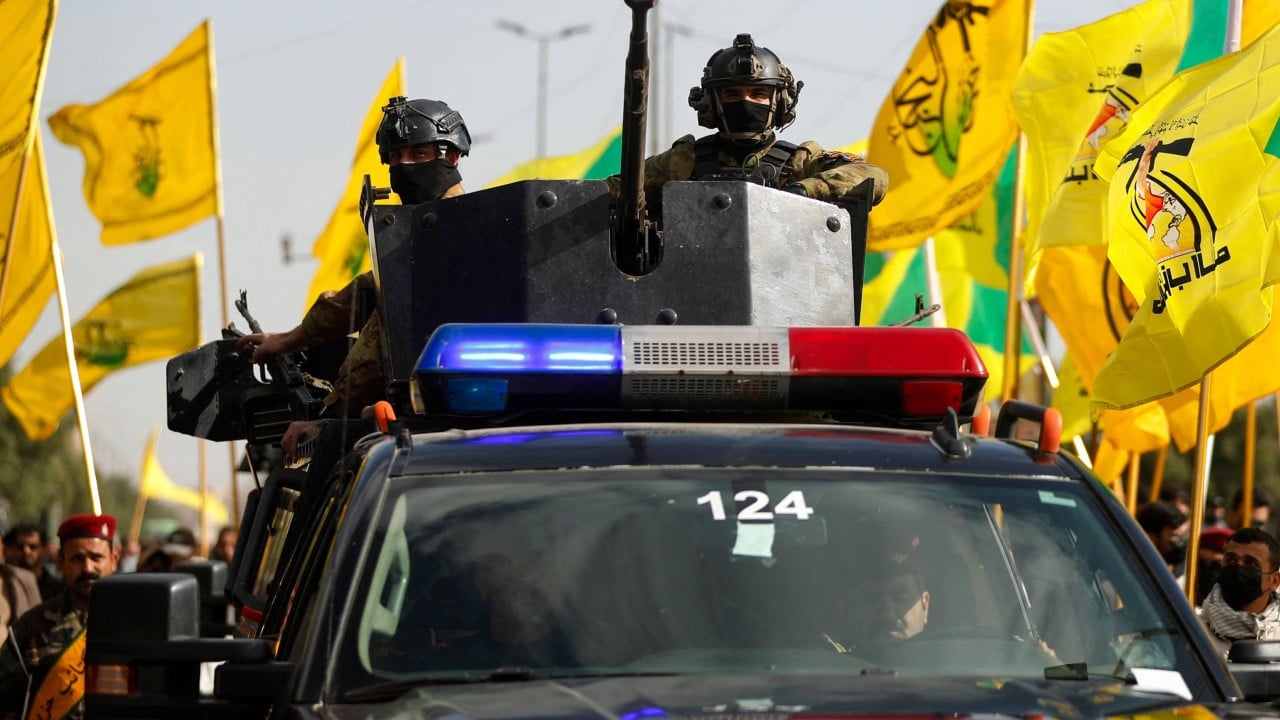
The US strikes were precise. Reports indicate the focus was on military assets—SAM sites and command centers—rather than the oil berths themselves. But for the Islamic Revolutionary Guard Corps (IRGC), the distinction doesn't matter. They see any kinetic action on the island as an existential threat. Their doctrine has always been "asymmetric defiance." They know they can’t win a conventional blue-water navy battle against the US. So, they target the one thing that makes the West flinch: the price of a gallon of gas.
The Ash Threat and the Global Energy Ripple
Tehran’s threat to "reduce to ashes" US-linked energy sites isn't just about refineries in Texas. It’s about the massive infrastructure scattered across the Gulf. Think about the desalination plants in Saudi Arabia. Think about the massive LNG terminals in Qatar. Many of these projects involve American capital, engineering, and partnerships.
The IRGC’s "Basij" and naval wings have spent decades practicing swarm tactics. They use fast boats and low-cost drones. They don't need to sink a carrier. They just need to hit a pumping station or a critical valve on a regional pipeline. If they follow through, we're looking at a scenario where Brent crude doesn't just spike—it teleports to $150 a barrel overnight.
I've watched these cycles for years. Usually, it's a lot of talk and very little walk. But the strike on Kharg changed the math. Iran feels backed into a corner. When a regime feels its primary lifeline is being severed, it stops playing by the old rules of "proportional response."
Miscalculations on Both Sides
Washington seems to think that limited strikes on military hardware won't trigger a total regional war. They’re betting on Iranian restraint. That’s a risky gamble. On the flip side, Tehran thinks it can threaten the global economy without facing a total blockade or a direct strike on its leadership. Both sides are dancing on a ledge, and the wind is picking up.
The IRGC's statements aren't just for international ears. They're for a domestic audience that needs to see strength. If the leadership in Tehran stays silent after a strike on Kharg, they look weak to their own hardliners. That internal pressure drives external aggression. It’s a feedback loop that leads to burning oil fields.
The Drone Factor
We should talk about the drones. Iran has perfected the art of the "suicide drone." They're cheap. They're hard to track. And they're effective. We saw what happened at Abqaiq and Khurais in 2019. That was a wake-up call that the world hit the snooze button on. Now, the tech is better. The guidance systems are more accurate. A single drone hitting a critical "gas-oil separation plant" can knock out millions of barrels of production for months.
What This Means for Your Wallet
Don't listen to the analysts who say the market has "priced in" the risk. It hasn't. The market prices in tension. It doesn't price in the total destruction of regional energy hubs. If Iran follows through on its threat to target US-linked sites in neighboring countries, the logistical chain for energy will break.
Insurance premiums for tankers in the Strait of Hormuz are already climbing. Some shipping companies are already considering the long way around Africa. That adds weeks to delivery times and millions to costs. You’ll feel that at the pump within ten days of the next major escalation.
The Strategy of the Cornered
Iran knows its conventional military is aging. Their air force is a collection of museum pieces. But their missile program is sophisticated. By targeting "energy installations," they're picking a fight where they have the advantage of proximity. They don't have to travel far to cause chaos.
The US is in a tough spot. If they don't respond to Iranian threats, they look like they're abandoning their allies in the Gulf. If they strike harder, they fulfill the Iranian prophecy of a "war of ashes." It’s a classic trap.
Watch the movement of US carrier strike groups in the next 48 hours. If they move closer to the coast, the "warning" phase is over. If they pull back, there might be a back-channel negotiation happening. But given the rhetoric coming out of Tehran right now, negotiation feels like a distant memory.
Keep an eye on the Straits. That’s the choke point. If Iran moves to mine the water or increase drone patrols there, the "ash" threat isn't just talk—it's an operational plan. You need to prepare for a period of extreme volatility. Check your energy-related investments and diversify out of high-risk regional assets immediately. The time for "wait and see" ended when the first missile hit Kharg.