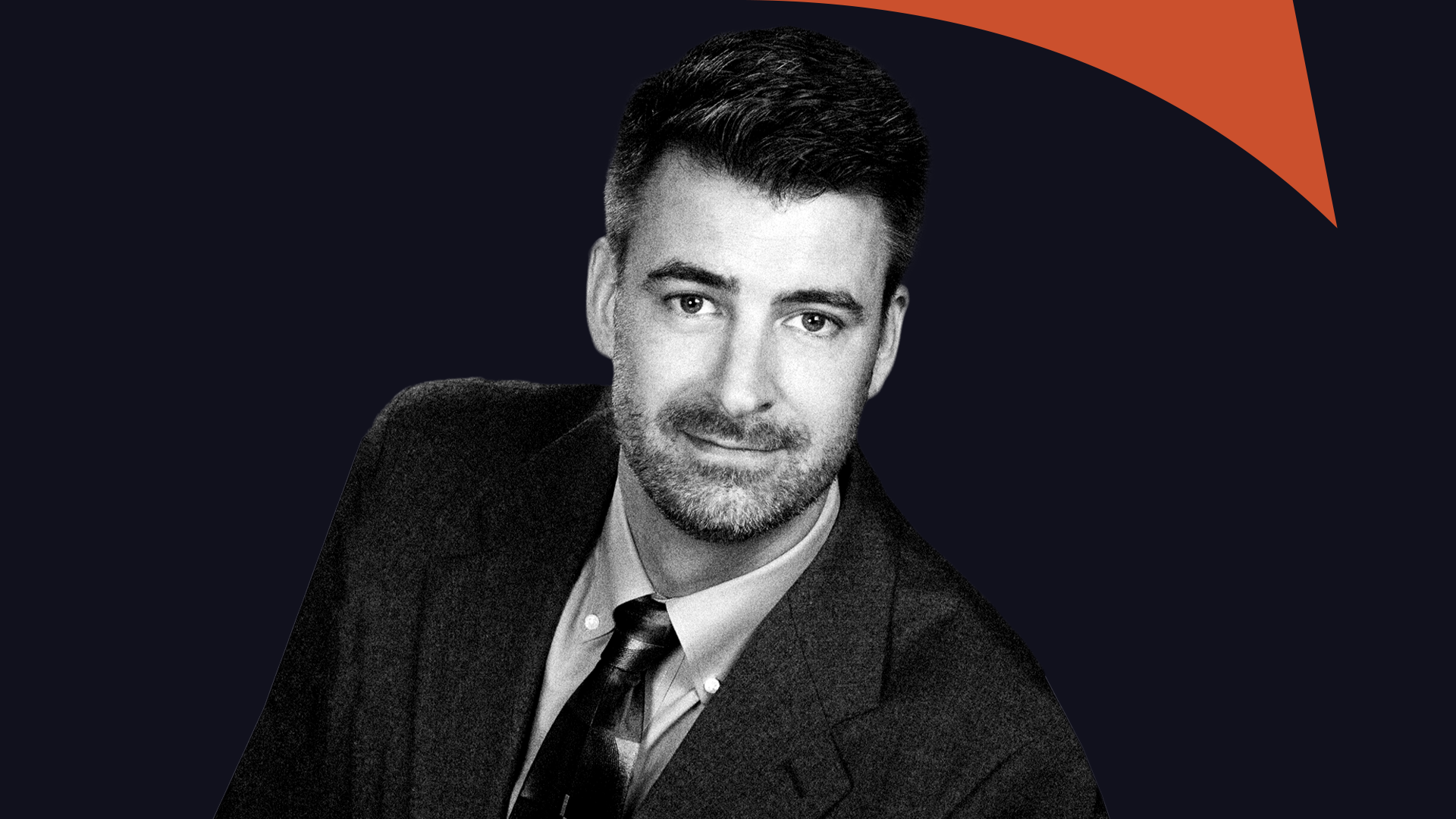
Patriarch Filaret is dead at 97, and with him goes a massive, messy, and absolutely essential piece of Ukrainian history. If you've been following the war in Ukraine, you know it's not just about tanks and territory. It’s a fight for identity. Filaret understood this decades before the rest of the world caught on. He spent his life trying to rip the Ukrainian soul out of Russia’s grip, and he didn't care who he made angry in the process.
He died on Friday, March 20, 2026, in Kyiv. The Orthodox Church of Ukraine (OCU) confirmed it was simply a case of "chronic diseases" catching up with a man who had already outlived most of his enemies. But don't let the quiet end fool you. Filaret’s life was a loud, high-stakes drama that reshaped the religious map of Eastern Europe.
A Soviet Cleric with a Rebel Streak
Born Mykhailo Denysenko in 1929, Filaret grew up in the Donetsk region. Think about that for a second. The very ground he was born on is now a central battlefield in the war he spent his final years condemning. His father died in World War II, which is what pushed him toward the church. Back then, "the church" meant the Russian Orthodox Church, and the Soviet Union wasn't exactly a friendly place for priests.
Filaret was a survivor. He climbed the Soviet-era church ladder with terrifying efficiency. By the 1960s, he was the top guy in Ukraine for the Russian Orthodox Church. There's plenty of talk about his "cooperation" with the KGB during those years—something common for high-ranking clerics in the USSR. But everything changed in 1990. He was passed over for the top job in Moscow (the Patriarchate).
When the Soviet Union collapsed a year later, Filaret didn't just sit around. He decided that if Ukraine was a sovereign country, it needed a sovereign church. Moscow hated that. They defrocked him, excommunicated him, and basically tried to erase him from existence. He responded by starting his own church: the Kyiv Patriarchate.
The Long War for the Tomos
For over 25 years, Filaret was the "schismatic" leader. To the Russian Orthodox Church, he was a traitor. To many Ukrainians, he was a hero. He spent the 90s and 2000s building a massive network of parishes that refused to take orders from Moscow.
The real payoff came in 2018. That’s when the Ecumenical Patriarch Bartholomew—the "first among equals" in the Orthodox world—finally stepped in. He lifted the Russian anathema against Filaret and paved the way for a unified, independent Orthodox Church of Ukraine.
Here’s where Filaret showed a rare bit of humility. To get the official "Tomos" (the document of independence), he had to step aside. He couldn't be the leader of the new church because he was too polarizing for the international community. So, he let his protege, Metropolitan Epiphanius, take the reins.
He Wasn't Always Easy to Like
Let's be honest: Filaret was a difficult man. Even after the new church was formed, he picked fights. He felt sidelined. He tried to "revive" his old Kyiv Patriarchate because he didn't like the terms of the independence document. He thought it gave too much power back to Constantinople. For a few years, he was essentially at war with the very church he helped create.
He also didn't shy away from controversy in the secular world. In 2020, he famously blamed the COVID-19 pandemic on same-sex marriage. It sparked a massive backlash, but Filaret wasn't the type to apologize. He was a man of the old world, stubborn to a fault, and convinced of his own rightness.
Why This Matters Right Now
You might wonder why a 97-year-old priest's death is a headline in 2026. It's because Filaret’s life was the blueprint for Ukraine's "spiritual independence."
Before the full-scale invasion in 2022, religion was one of the strongest "soft power" tools Russia had in Ukraine. By creating a rival church, Filaret broke that monopoly. He gave Ukrainians a place to pray that didn't involve funneling loyalty (and money) back to the Kremlin.
In his final months, things came full circle. He and Epiphanius reportedly reconciled, praying together for a Ukrainian victory. Even his harshest critics in the OCU acknowledged that without Filaret’s "energy, character, and courage," the independent church simply wouldn't exist.
The Legacy Left Behind
Filaret’s funeral is set for Sunday, March 22, at St. Michael’s Golden-Domed Cathedral in Kyiv. It’s going to be a massive event. Not just because of his title, but because he represents an era of Ukrainian history that is finally closing.
If you're trying to understand the modern Ukrainian identity, you have to understand the religious schism he led. It wasn't just about theology; it was about the right to exist without Moscow’s permission. He was a flawed, complicated, and incredibly powerful figure who changed his country forever.
If you want to pay your respects or just see the history for yourself, the public farewell at St. Michael's continues through Saturday. Watch the coverage from local outlets like Ukrinform for the most direct updates on the procession.