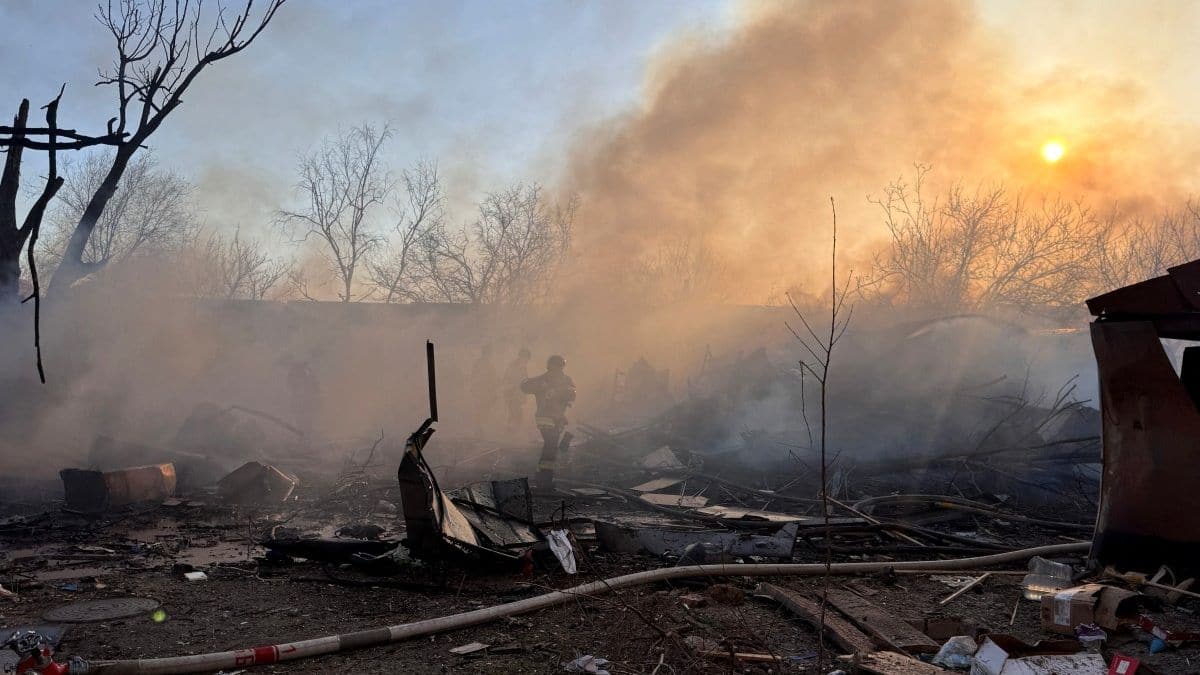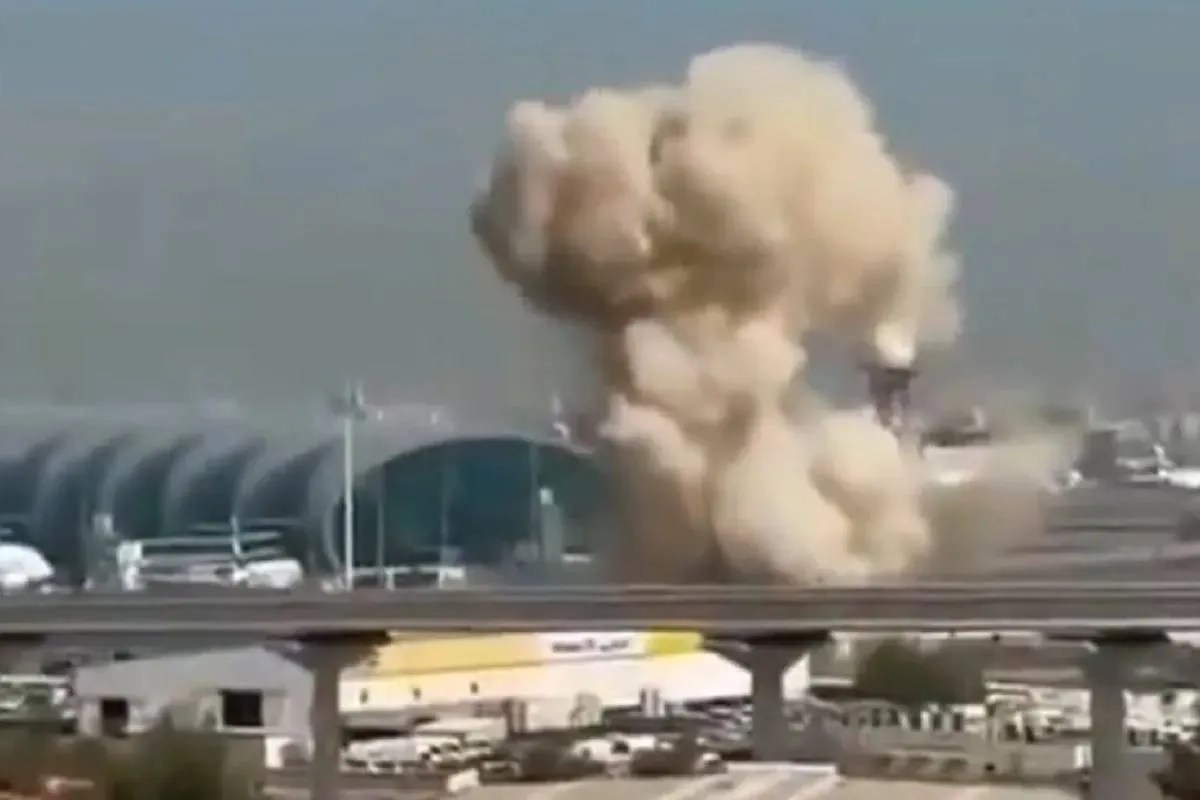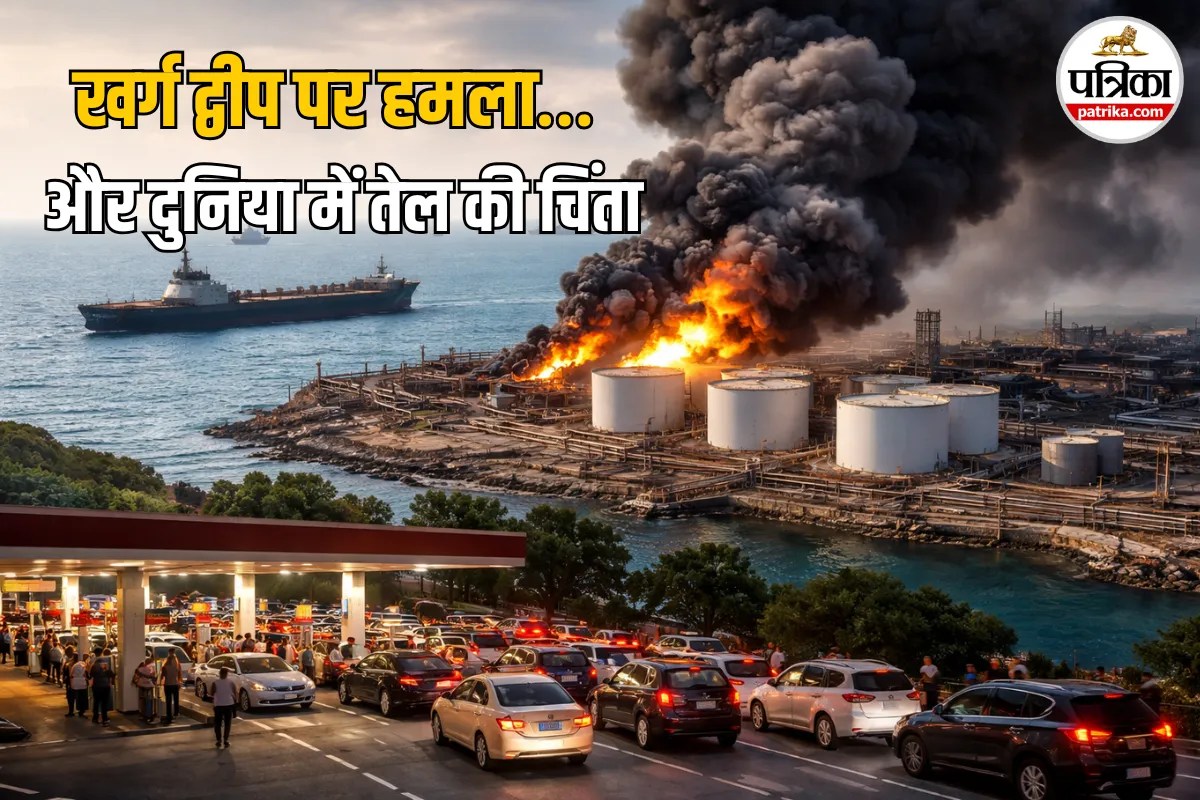
The headlines are screaming about a "global energy apocalypse" because of a potential strike on Iran’s Kharg Island. Mainstream media is obsessed with images of long queues at Chinese petrol pumps and the specter of $150 oil. They are selling you a narrative of fragility that hasn’t been true since 2014.
If you think a hit on a single Iranian terminal—even one that handles 90% of their exports—is going to collapse the global economy, you aren't paying attention to the math of modern energy logistics. You are falling for the "Strait of Hormuz" ghost story that gets dusted off every time a missile flies in the Middle East.
Kharg Island is a bottleneck for Iran, yes. But for the rest of the world? It’s a rounding error in a market currently defined by oversupply and aggressive diversification.
The China Panic is Theatre
The narrative suggests China is one Kharg Island explosion away from total paralysis. This ignores how the "Teapot" refineries in Shandong actually operate. These independent refiners have spent the last decade becoming the world’s most agile bottom-feeders. They don't just buy Iranian crude; they buy "Malaysian" blends, "Omani" mixtures, and whatever else shows up with a heavy discount and a vague paper trail.
China has built a Strategic Petroleum Reserve (SPR) that makes the American version look like a backyard shed. Estimates place Chinese inventories at over 1.1 billion barrels. They have enough crude to run their entire economy for months without importing a single drop from the Persian Gulf. Those "long lines at petrol pumps" you see in viral clips? Usually, they are the result of local logistics hiccups or price-cap speculation, not a physical shortage of molecules.
When Kharg goes dark, the Chinese don't starve. They just call Moscow or Brasilia.
Why Oil Traders Want You Scared
Market volatility is the only way a mediocre desk trader makes their bonus. If the market stays flat, they die. Therefore, every geopolitical spark is framed as a "systemic threat."
Let’s look at the actual numbers. Iran exports roughly 1.5 to 1.8 million barrels per day (mbpd). Global demand is hovering around 102 mbpd. Spare capacity in Saudi Arabia and the UAE alone is estimated at over 3.5 mbpd. This isn't the 1970s. We have a massive buffer.
If Kharg Island is wiped off the map tomorrow, OPEC+ can turn the taps and erase the deficit within 72 hours. The only reason prices spike is "fear-premium," a psychological tax paid by people who don't understand the physical reality of the Permian Basin or the offshore projects in Guyana.
The Fragility Myth of Global Logistics
The "experts" love to talk about the "domino effect." They claim that if Kharg goes, the entire global supply chain buckles.
I have seen companies lose millions because they hedged based on this exact fear, only to watch oil prices drop two weeks after a "catastrophic" event. Markets have already priced in the disruption of Iranian supply. The real shock would be if Iran suddenly became a stable, transparent exporter. That’s the scenario the market isn't prepared for.
We need to stop treating oil like a scarce resource managed by masters of the universe. It is a commodity in a secular decline, fighting for relevance against a backdrop of electrification and unprecedented efficiency.
The Zero-Sum Game of Sanctions
Here is the inconvenient truth: A strike on Kharg Island actually helps the Western geopolitical agenda without the need for more sanctions. It does the job that the Treasury Department couldn't finish.
If Iran loses the ability to export, they lose the ability to fund their regional proxies. But more importantly, it forces China to stop relying on "discounted" shadow-fleet oil. It pushes them back into the regulated, transparent global market where they have to compete on price with everyone else.
The "chaos" isn't a bug; for many global players, it's a feature.
Breaking the Premise of "Energy Security"
People ask: "How do we protect the global economy from an Iranian supply shock?"
The question itself is flawed. You don't protect the economy from a shock that the system is already designed to absorb. The real threat isn't a missing 1.5% of global supply. The threat is the policy overreaction to that missing supply.
When governments panic, they implement price controls, export bans, and emergency subsidies. That is what creates the long lines at the gas station. It’s not the lack of oil; it’s the strangulation of the price mechanism by terrified bureaucrats.
The Mathematical Reality of Displacement
Imagine a scenario where the 1.5 million barrels from Kharg disappear.
- The Price Signal: Crude jumps to $90.
- The Response: American shale producers—who have become insanely efficient—ramp up completions.
- The Substitution: Refineries in India and China, who were taking the Iranian heavy crude, switch to Russian Urals or Iraqi Basrah Medium.
The molecules just move in different circles. The total volume remains sufficient. The "shock" is a localized accounting problem for the Iranian regime, not a functional problem for a global commuter in Ohio or a factory owner in Guangdong.
The Industry Insider’s Bet
Stop watching the news tickers for news of smoke over the Gulf. Watch the VLCC (Very Large Crude Carrier) tracking data. If you don't see the massive tankers changing course, the "panic" is fake.
The Kharg Island narrative is a distraction for the financially illiterate. It allows politicians to blame "foreign actors" for domestic inflation that was actually caused by terrible monetary policy and a broken power grid.
Iran is a ghost in the machine. A strike on Kharg doesn't end the world; it just forces the world to stop pretending that Iran is a primary pillar of global stability.
The market is smarter than the analysts. It knows that in a world of 100-million-barrel demand, one island doesn't hold the keys to the kingdom.
The real risk isn't that the oil stops flowing. The risk is that you believe the people who tell you it will. Stop paying the fear premium. Stop betting against the resilience of a global system that has already survived much worse than a localized fire in the Persian Gulf.
Bet on the math, not the missiles.