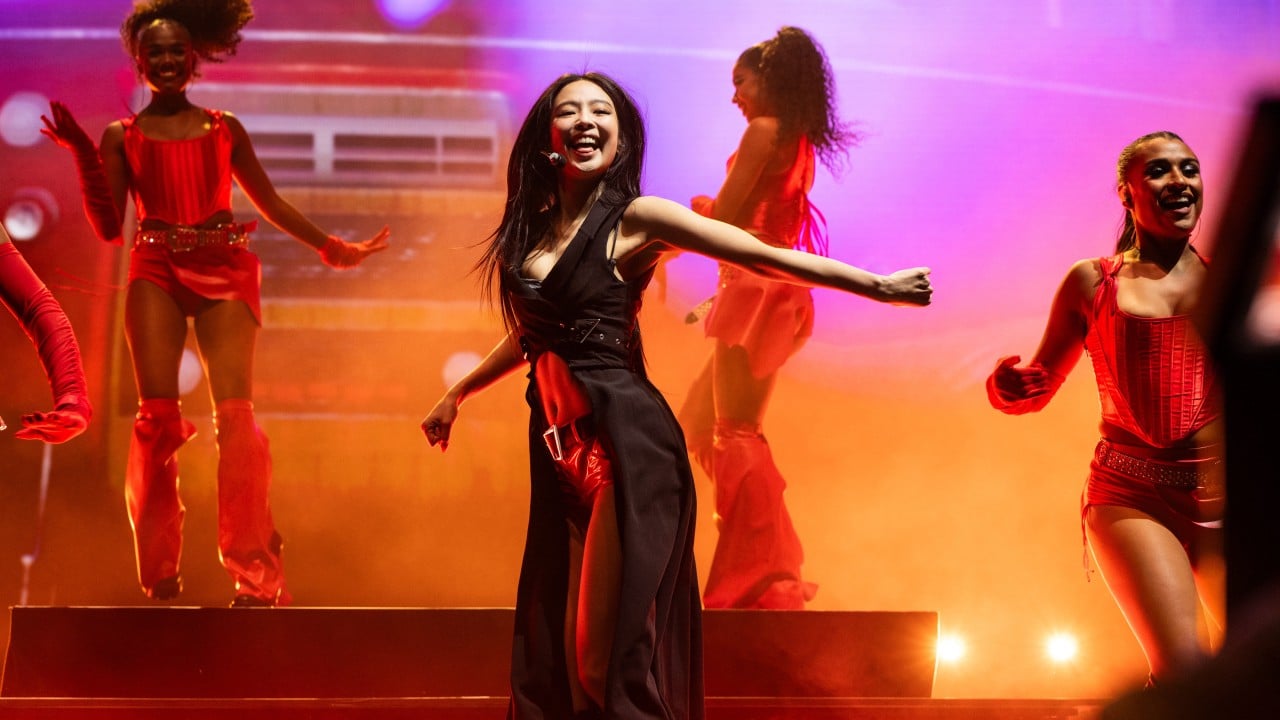
March in Hong Kong has long been a calculated collision of high-net-worth commerce and street-level spectacle, but 2026 feels different. The city is no longer just hosting art; it is fighting for its life as the undisputed cultural capital of Asia. As Art Basel Hong Kong readies its 240-gallery machine at the Convention and Exhibition Centre, and Blackpink’s Jennie prepares to anchor a massive youth-culture play at ComplexCon, the narrative has shifted from "what to see" to "who still owns the room."
The arrival of the Henderson Land x Cj Hendry Flower Market at Central Harbourfront (March 19–22) serves as the perfect metaphor for the current climate. It is a greenhouse-style pavilion packed with over 150,000 plush flowers, a tactile, "Instagram-immortal" installation designed to bridge the gap between corporate real estate and viral art. It is free, it is accessible, and it is precisely the kind of soft-power play the city needs to prove that the "Old Hong Kong" still has the magnetism to draw global creators.
The Jennie Factor and the ComplexCon Pivot
While the traditionalists focus on the white walls of Wan Chai, the real demographic shift is happening at AsiaWorld-Expo. ComplexCon Hong Kong 2026 (March 21–22) is not just a sneaker convention; it is a stress test for the city’s ability to capture the Gen Z "experience economy."
The booking of Jennie for her solo headlining debut in the city is a masterstroke of commercial curation. Coming off the back of her album Ruby, her presence is the gravitational pull for an international audience that might find Art Basel’s "Zero 10" digital sector too clinical.
- The Headliners: Jennie closes the festival on Sunday, March 22, while American rapper Yeat makes his first-ever Asian performance on Saturday, March 21.
- The Strategy: By pairing K-pop royalty with the "rage beat" pioneer of American trap, organizers are forcing a collision of fanbases.
- The Reality: This is a high-stakes gamble. The tickets aren't cheap—ranging from HK$488 for marketplace access to HK$1,288+ for the "Front Standing Zone." For the city, the success of this weekend is the metric for whether Hong Kong can still be the gateway to the East for Western youth culture brands.
Art Basel and the Digital Defensive
Across the water, Art Basel Hong Kong (March 27–29) is attempting to reclaim the intellectual high ground. The fair is doubling down on its "Asia-Pacific identity," with over half of the participating galleries originating from the region. This is a deliberate move to counter the rising influence of Seoul and Tokyo.
The introduction of Zero 10—a dedicated sector for the digital era—is Art Basel’s answer to the "is crypto art dead?" question. It isn't. By featuring innovators like DeeKay and Jack Butcher, the fair is attempting to institutionalize digital assets, moving them from the wild west of OpenSea into the curated legitimacy of a blue-chip fair.
However, the real soul of this year’s fair lies in the Encounters sector. Curated by a powerhouse team including Mami Kataoka and Isabella Tam, the eleven large-scale installations are built around the concept of the Five Elements. These aren't just pretty objects; they are massive, space-consuming assertions of physical presence in an increasingly digital world. Christine Sun Kim’s offsite digital work at Pacific Place is particularly poignant, using American Sign Language to interrogate the very politics of sound and communication.
The Cj Hendry Phenomenon
If Art Basel is the cathedral, Cj Hendry is the town square. Her "Flower Market" is a 50th-anniversary commission for Henderson Land, featuring 26 whimsical plush designs, including a specifically crafted Bauhinia—a nod to the city’s emblem.
Hendry’s genius lies in her refusal to play by gallery rules. She understands that in 2026, art is a participative sport. Visitors don't just look; they receive a complimentary plush flower upon entry (while supplies last) and can purchase others for HK$38. It is hyper-realism meets mass-market accessibility. This installation at the AIA Vitality Park is the most effective piece of "bridge art" this month, proving that even in a city defined by its skyscrapers, there is a desperate hunger for the soft, the tactile, and the free.
The Cultural Infrastructure Gamble
Behind the celebrity appearances and the HK$100 million paintings, Hong Kong is navigating a period of intense structural transition. The M+ Museum continues to be the anchor, with its "Endless Realms" night on March 6 and the Shahzia Sikander facade animation running through June.
But there is a friction here. The city is trying to be three things at once: a luxury marketplace for the 1%, a street-culture hub for the "hypebeast" generation, and a heritage-conscious local community.
Sometimes these goals clash. The HKWalls Street Art Festival (March 21–29) brings grit to the walls of various districts, but it exists in the shadow of the massive corporate sponsorships that fund "Art Month." The tension between organic street culture and the sanitized, "curated" version of it seen at the major fairs is palpable.
Navigating the March Madness
For those actually on the ground, the logistics of March in Hong Kong require a tactical approach. The city is notoriously crowded, and the venues are spread thin.
| Event | Date | Location | Vibe |
|---|---|---|---|
| ComplexCon HK | Mar 21–22 | AsiaWorld-Expo | Hype, High Energy, Youth |
| Cj Hendry Flower Market | Mar 19–22 | Central Harbourfront | Playful, Tactile, Public |
| Art Central | Mar 25–29 | Central Harbourfront | Emerging, Dynamic, Edgy |
| Art Basel HK | Mar 27–29 | HKCEC, Wan Chai | Institutional, Elite, Blue-chip |
| M+ at Night | Mar 6 | West Kowloon | Intellectual, Social, Late-night |
The move from the airport-adjacent AsiaWorld-Expo for ComplexCon to the central business district for Art Basel is a trek. If you are chasing Jennie, you are in the industrial fringes. If you are chasing the next great Chinese contemporary painter, you are in the heart of the harbor.
Why This Year Matters
Hong Kong’s "Art Month" has evolved from a series of disjointed events into a unified, city-wide economic engine. But the "brutal truth" is that the competition is no longer internal. Singapore’s art week is gaining ground, and Seoul’s fashion and music influence is staggering.
The success of March 2026 will not be measured by how many paintings were sold or how many times Jennie trended on social media. It will be measured by whether the city feels like a living, breathing creative ecosystem or just a well-oiled vending machine for global brands.
The inclusion of local initiatives like the Luminous Neon exhibition in Sham Shui Po—restoring iconic signs from the city’s past—suggests that there is a move toward preserving the "Old Hong Kong" soul amidst the new, glossy spectacles. If you want to see the real Hong Kong, look for the spots where the plush flowers and the neon lights meet the high-concept digital installations.
Identify your priorities early. If your goal is to see the Jennie solo debut, secure your Complex Live! tickets immediately, as the Sunday slot is the most contested ticket in the city's recent history. For the serious collector, the Art Basel preview days (March 25–26) remain the only time to see the work before the crowds descend. Hong Kong is ready to perform; whether the world is ready to buy the new narrative remains the month's biggest question.
Book your ferry tickets and charging packs now—the city doesn't sleep in March, and neither will you.