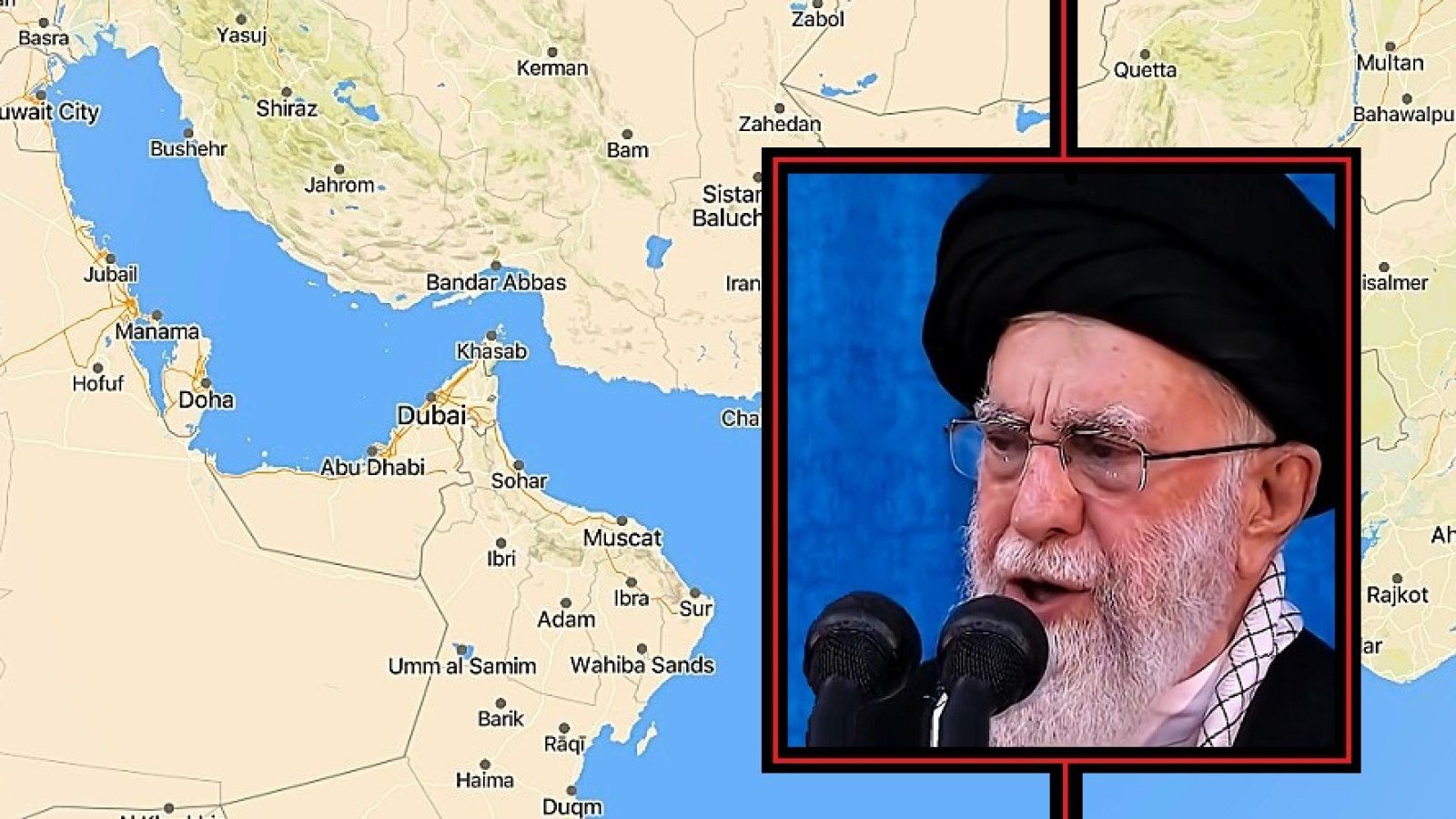
The recent joint US-Israeli kinetic operations targeting Iran’s Natanz enrichment facility have shattered the fragile equilibrium of Middle Eastern diplomacy. While official channels in Washington and Jerusalem remain tight-lipped, the smoke rising from the Isfahan province signals a definitive shift from cyber-sabotage to overt military aggression. Russia’s immediate and forceful condemnation, labeling the strikes a "brazen violation of international law," is not merely diplomatic posturing. It marks the formal entry of Moscow as the primary guardian of Iranian sovereignty, a development that complicates the tactical success of the mission with a new, unpredictable layer of global risk.
This escalation moves the "shadow war" into the harsh light of day. For years, operations against Iran’s nuclear infrastructure relied on the Stuxnet-style subtlety of code or the targeted precision of Mossad-led assassinations. By choosing high-explosive ordnance over digital intrusion, the US and Israel have signaled that the window for containment through "soft" means has slammed shut. The objective was clear: reset the Iranian breakout clock by destroying the IR-6 centrifuge cascades. However, the secondary effect has been the incineration of the remaining legal and diplomatic frameworks that kept the region from total conflagration. Discover more on a related issue: this related article.
The Architecture of Defiance at Natanz
Natanz is more than a collection of centrifuges. It is a subterranean fortress, bored deep into the mountains to withstand the very strikes that just occurred. To understand why this specific attack triggered such a visceral Russian response, one must look at the technical shift in Iranian enrichment capabilities.
In the months leading up to the strike, Iran had transitioned from the aging IR-1 models to the highly efficient IR-6 machines. These centrifuges enrich uranium at a rate vastly superior to their predecessors. Intelligence suggests that the underground halls were being prepared for a massive expansion of 60% enriched uranium stockpiles. This level of enrichment has little to do with civilian power and everything to do with reaching the threshold of weaponization. Additional journalism by The Washington Post delves into comparable perspectives on the subject.
When the strikes hit, they didn't just target the hardware. They targeted the physical integrity of the facility's reinforced concrete "burrow." By using specialized bunker-busting munitions, the coalition sent a message to Tehran: depth is no longer a defense. This technical reality is what forced Russia’s hand. Moscow has invested heavily in the narrative that Iranian nuclear development remains under the theoretical oversight of the IAEA, despite repeated transparency failures. The destruction of Natanz removes the facade of "oversight" and replaces it with a raw contest of military engineering.
Why Moscow is Drawing a Line in the Isfahan Sand
The Kremlin’s anger is rooted in a pragmatic fear of losing its most valuable southern partner. Since the invasion of Ukraine, the Russo-Iranian relationship has evolved from a marriage of convenience into a critical military-industrial alliance. Iranian drones and ballistic missile technology have become staples of the Russian war effort. In exchange, Moscow provides Iran with advanced air defense systems and diplomatic cover at the UN Security Council.
By striking Natanz, the US and Israel have essentially attacked a Russian client state’s crown jewel. Vladimir Putin’s rhetoric regarding "international law" is a calculated mirror of Western arguments regarding territorial integrity. If the West can strike Iranian soil to prevent a future threat, Moscow argues, then the entire concept of national sovereignty is up for negotiation.
There is also the matter of the S-400 systems. Reports indicate that Iranian crews were in the final stages of integrating Russian-made air defense batteries around Isfahan. The strike’s success suggests either a failure of Russian technology or a sophisticated electronic warfare suite that blinded the sensors. For Russia, this is a marketing nightmare for their defense exports and a strategic embarrassment that demands a public, high-volume rebuttal.
The End of Strategic Ambiguity
For decades, the United States maintained a policy of "strategic ambiguity" regarding its role in Israeli operations against Iran. This allowed for back-channel negotiations and prevented the Iranian government from being forced into a retaliatory corner. That era ended the moment the first bunker-buster impacted.
The logistical footprint of the Natanz operation required heavy aerial refueling and intelligence sharing that only the United States can provide at scale. To claim this was a purely Israeli endeavor is to ignore the physics of long-range strike packages. By owning this operation, the Biden administration has abandoned the leverage of the "good cop, bad cop" routine.
This transparency has risks. When the US is openly linked to the destruction of Iranian infrastructure, the "plausible deniability" that protected American assets in Iraq and Syria evaporates. We are already seeing the fallout. Proxy militias in the Levant have transitioned from sporadic rocket fire to coordinated drone swarms targeting US outposts. The Natanz strike didn't happen in a vacuum; it resonated across every fault line in the region.
The Nuclear Breakout Calculation
The core justification for the strike remains the "breakout time"—the duration required for Iran to produce enough weapons-grade uranium for a single nuclear device. Before the strike, that window was estimated to be less than two weeks.
- Destruction of IR-6 Centrifuges: The primary goal was the physical annihilation of the enrichment hall.
- Logistical Disruption: Destroying the power substations and cooling systems creates a cascading failure that prevents immediate repair.
- Psychological Deterrence: Demonstrating that the most secure site in the country is vulnerable.
However, historical precedent suggests that kinetic strikes are a temporary fix. When Israel bombed Iraq’s Osirak reactor in 1981, it didn't end Saddam Hussein's nuclear ambitions; it drove them further underground and made them more secretive. Iran has already mastered the fuel cycle. You can destroy the machines, but you cannot destroy the knowledge. Iranian scientists have the blueprints, the manufacturing capability, and the hardened resolve to rebuild. Each strike reinforces the internal Iranian argument that only a nuclear deterrent can prevent future Western intervention.
The Mediterranean and the Red Sea Corridor
The ripples of the Natanz explosion are felt far beyond the Isfahan desert. We must look at the maritime corridors to see the real counter-move. Iran's naval strategy has shifted toward the "asymmetric choke point."
If Tehran cannot protect its nuclear sites, it can certainly threaten the global economy’s jugular. The Bab el-Mandeb strait and the Strait of Hormuz are now high-tension zones where any "tit-for-tat" escalation could result in a spike in global oil prices. Russia, as a major oil exporter, stands to benefit from this volatility, creating a dangerous incentive for Moscow to encourage Iranian "defensive" maneuvers in the shipping lanes.
The synergy between Russian tactical advice and Iranian drone capability has created a new kind of naval warfare. The strikes on Natanz may have been intended to prevent a nuclear war, but in the short term, they have significantly increased the probability of a conventional maritime conflict that could drag in the global powers.
The Fallacy of the Surgical Strike
The term "surgical strike" is a favorite of Pentagon briefers, but it is a misnomer in the world of high-stakes geopolitics. There is no surgery that doesn't leave a scar. The Natanz operation was a success in terms of tonnage delivered and targets destroyed, but it was a failure in terms of regional stabilization.
By bypassing the UN and the remnants of the JCPOA (Joint Comprehensive Plan of Action) framework, the US and Israel have signaled that they no longer believe in a negotiated settlement. While that may be a realistic assessment of the Iranian regime's intent, it leaves no room for the "off-ramps" that prevent minor skirmishes from becoming total wars.
The Escalation Ladder
We are now on the fourth or fifth rung of an escalation ladder that has no clear top. Iran’s response will likely not be a mirror image of the Natanz strike. They will not fly F-4s into Israeli airspace. Instead, expect a surge in cyber-attacks targeting Israeli water infrastructure or US financial systems. Expect the "gray zone" to become darker and more violent.
Russia will continue to use the Natanz strike as a rhetorical bludgeon to peel away support from the "rules-based international order" among Global South nations. They will point to the smoking craters in Iran as proof that the West only respects international law when it is convenient.
The strikes have not solved the "Iranian problem." They have simply changed its form. The transition from covert sabotage to overt warfare is a one-way street. Once the bombs start falling, the diplomats are usually the last ones to know. The real question is no longer whether Iran will reach the nuclear threshold, but what they are willing to burn down on their way there.
Monitor the movement of the Russian Mediterranean fleet and the deployment of Iranian "advisors" in the Donbas. The connection between these two theaters is the new reality of the 21st-century conflict. Natanz was just the opening salvo in a much larger, much more dangerous game of global brinkmanship.
Check the readiness levels of the US 5th Fleet.