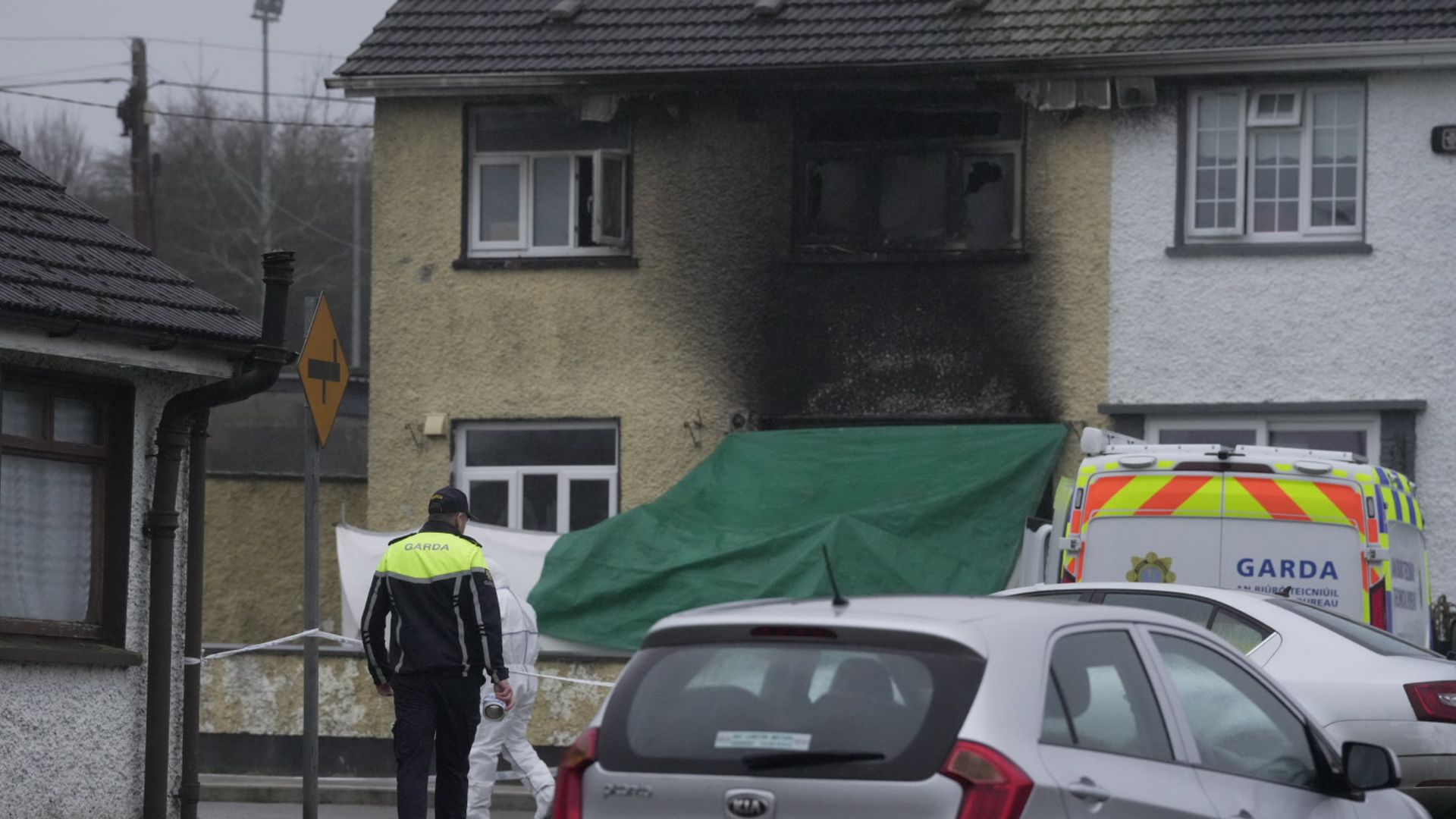
A house burns twice and nobody looks inside the first time. It sounds like a script for a bad noir film, but it’s the grim reality of a recent investigation that’s left a community reeling. When emergency crews respond to a deliberate fire, the priority is usually clear: put out the flames, secure the perimeter, and find the culprit. But what happens when the most basic step—a thorough search for victims—is skipped?
A body was discovered in a charred property only after a second fire broke out at the same location. This isn't just a lapse in procedure. It’s a systemic failure. If you think the "all clear" from a fire department is an absolute guarantee of safety or a finished job, this case proves otherwise. Arson isn't just property damage. It's often a cover for something much darker.
Why the First Sweep Failed
Firefighters work in high-stress, zero-visibility environments. When they enter an arson-hit building, they’re looking for active flames and structural integrity. Sometimes, in the chaos of a "controlled" scene, the assumption is made that the building is vacant, especially if it's a known squat or a "renovation project."
That assumption is dangerous.
In this specific case, the initial fire was treated as a criminal act of arson. Police and fire investigators were on-site. They did their preliminary work. Yet, the victim remained undiscovered in the debris. It took a second ignition—another "attack" or perhaps a flare-up of the original hot spots—to bring the grim truth to light.
You have to wonder about the "search and rescue" protocols used during that first 911 call. Standard operating procedure usually dictates a primary and secondary search. A primary search is fast and often frantic. A secondary search is supposed to be slow, methodical, and thorough. When a body is missed until the house burns again, the secondary search either didn't happen or was handled with inexcusable negligence.
The Overlooked Link Between Arson and Homicide
Arsonists don't always burn buildings for the insurance money or a cheap thrill. Often, fire is a tool used to destroy forensic evidence of a different crime.
Criminologists and fire investigators often see "forensic awareness" in serial offenders. They know that high heat can destroy DNA, fingerprints, and even some types of trauma evidence on a human body. When investigators treat a house fire purely as a "property crime" or a "public nuisance" arson, they miss the chance to catch a killer in the act.
- Accelerants often tell a story about intent.
- Points of origin can show if someone was trying to trap a person inside.
- Entry points reveal if the victim was forced into the building before the match was struck.
When a body is found only after the second fire, the window of time to collect "fresh" evidence is gone. The second fire likely destroyed whatever traces the first one missed. That's a win for the criminal and a massive loss for justice.
What Property Owners Need to Know About Arson Risks
If you own a vacant property or live in an area seeing a spike in "nuisance" fires, you can't rely solely on the authorities to secure your perimeter. Arsonists often return to the scene of the crime. They’re drawn back by the "success" of the first fire or a desire to finish the job if the building didn't completely collapse.
Empty houses are magnets for trouble. Boards and padlocks aren't enough. You need motion-activated lighting and, more importantly, cellular-based security cameras that don't rely on a Wi-Fi connection that’s likely been cut.
If a fire happens on your street, don't just watch the smoke. Pay attention to the crowds. Arsonists frequently hang around to watch the "show." If you see the same person at two different fire scenes in the same week, tell the police. Don't wait for them to ask.
The Science of Missing Evidence in the Heat
It's a common misconception that fire destroys everything. It doesn't.
Modern forensic anthropology can still identify victims from heavily charred remains. Teeth, surgical implants, and even deep-tissue DNA can survive some of the most intense blazes. The problem here isn't that the evidence was destroyed; it's that the evidence wasn't looked for until it was almost too late.
The "second fire" phenomenon is particularly troubling. Was it a rekindle? A rekindle happens when hidden embers inside walls or under floorboards catch air and ignite hours or days later. If it was a rekindle, the investigators failed to properly "overhaul" the scene. If it was a second intentional attack, the police failed to secure a crime scene. Either way, the victim was left to burn twice.
Taking Action After a Local Fire
When a fire happens in your neighborhood, the "official" word isn't always the last word. If you're concerned about a property or a missing neighbor, you have to be your own advocate.
- Ask for the search status. If you know someone might have been inside a burnt-out shell, don't assume the fire department found them. Ask specifically if a secondary search was completed.
- Document everything. If you see suspicious activity around a fire-damaged home in the days following the event, take photos and notes.
- Pressure the authorities. If an arson investigation seems to be stalling, community pressure often forces a more thorough forensic sweep.
The discovery of a body after a second fire isn't just a tragedy. It's a warning. We rely on the "system" to be thorough, but the system is made of people who get tired, make assumptions, and occasionally cut corners. In the world of arson and structural fires, cutting corners doesn't just result in a paperwork error. It results in a person being left behind in the ashes.
Don't take the first report as gospel. If something feels off about an investigation in your area, keep asking questions until the answers actually make sense.