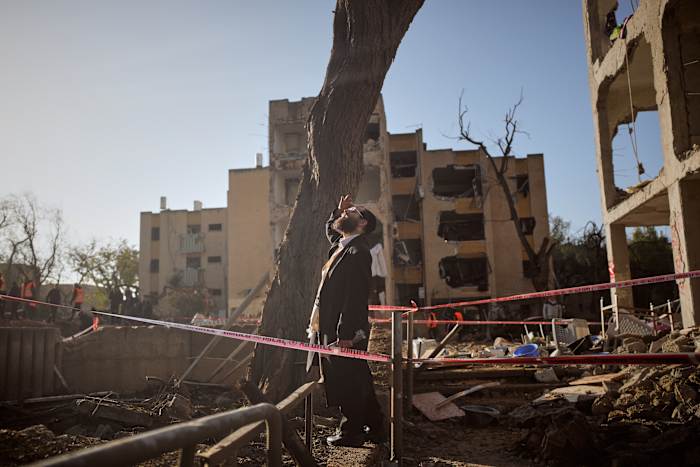
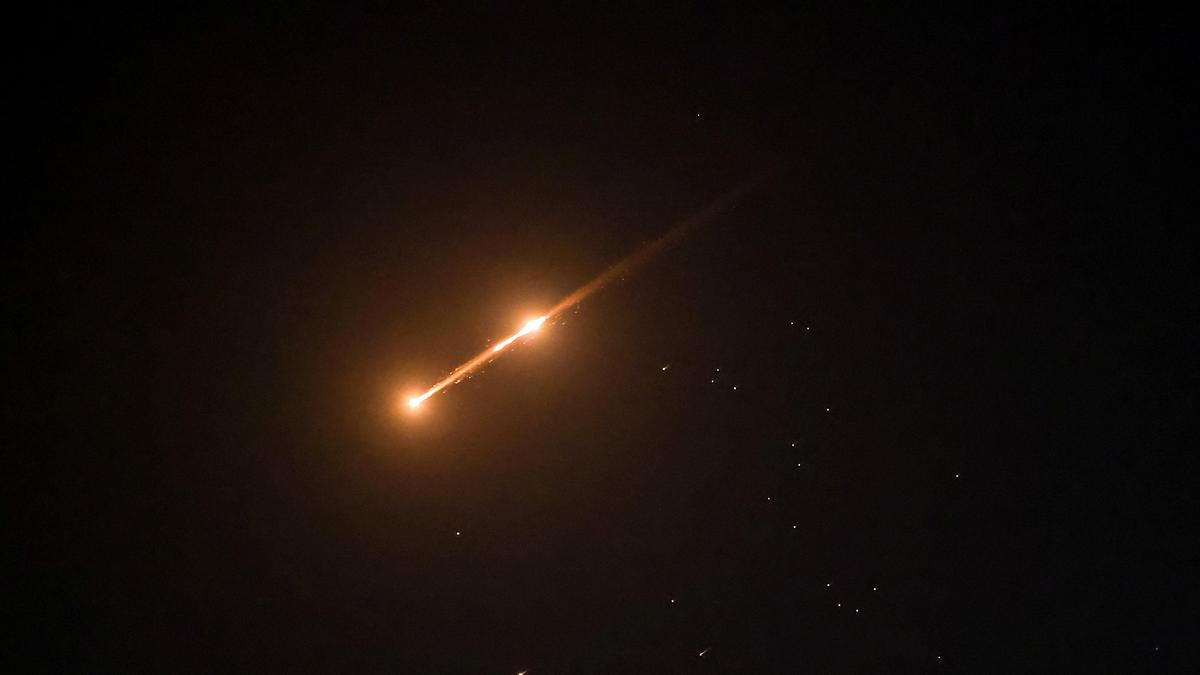
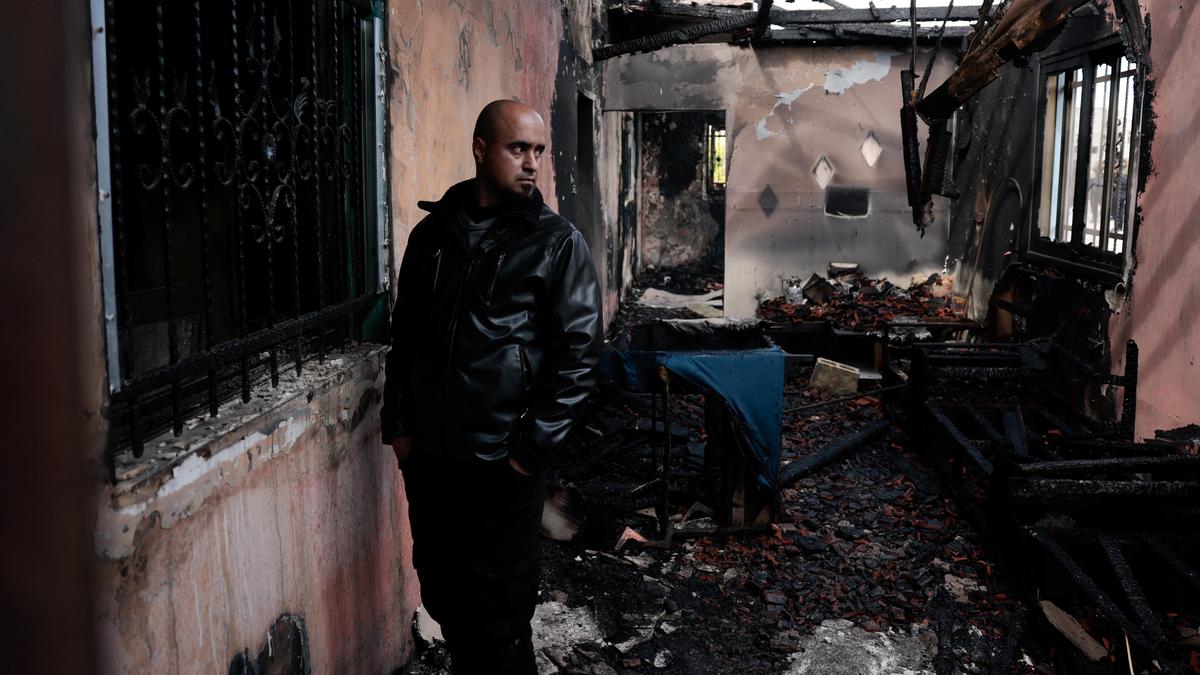
Donald Trump has issued a final 48-hour ultimatum to Tehran. By Tuesday, the Strait of Hormuz must be fully reopened to international shipping, or the United States will systematically destroy Iran’s domestic power grid. The threat, issued via social media late Saturday night, targets the very heart of Iranian civilian life: its electricity. It is a gamble that assumes the Islamic Republic will prioritize its own internal stability over its most potent geopolitical leverage.
But the reality on the ground in the Persian Gulf suggests this is no longer a simple game of brinkmanship. It is a fast-approaching collision between a desperate American administration and an Iranian military command that has already signaled its willingness to take the entire regional economy down with it.
The Chokehold on Global Trade
The Strait of Hormuz is not just a waterway. It is the jugular vein of the global energy market. Since early March, Iranian forces have effectively shuttered the passage, stranding nearly 20 million barrels of oil per day and 20% of the world’s liquefied natural gas (LNG).
The result has been an economic shockwave unseen since the 1970s. Brent Crude has surged past $120 per barrel, and QatarEnergy has been forced to declare force majeure on its exports. For Trump, the political stakes are high. With midterm elections approaching and domestic inflation spiking due to energy costs, the "maximum pressure" campaign has reached its logical, and perhaps most dangerous, conclusion.
Targets of Opportunity
If the ultimatum expires without a resolution, the U.S. military is expected to target Iran's most critical energy nodes. Analysts point to the Bushehr nuclear power plant and the Damavand natural gas facility near Tehran as the primary objectives.
Striking these sites would do more than just turn off the lights. It would cripple Iran’s water desalination capabilities and its industrial output, likely triggering mass civil unrest. This is the "obliteration" Trump promised. The strategy is clear: force the Iranian leadership to choose between their maritime blockade and the total collapse of their domestic infrastructure.
The Regional Blackout Threat
Tehran’s response has been immediate and devoid of its usual diplomatic ambiguity. The Khatam Al-Anbiya operational command warned that any strike on Iranian soil will be met with "irreversible" destruction of U.S. and allied assets across the Middle East.
Specifically, Iran has mapped out every major desalination plant, IT hub, and oil refinery in the Gulf states. This is the "Mutually Assured Destruction" of the 21st century. If Iran’s grid goes dark, they intend to ensure that Riyadh, Dubai, and Tel Aviv go dark with them.
The Iranian Parliament Speaker, Mohammad Bagher Qalibaf, was blunt: "The price of oil will remain elevated for a long time."
A Fragmented Alliance
While the rhetoric from the White House remains unyielding, the international coalition is fraying. Trump has openly criticized NATO allies, calling them "cowards" for refusing to join a kinetic maritime operation to force the Strait open.
Most European and Asian nations, including Japan and India, are terrified of the consequences. They are less concerned with the survival of the Iranian regime than they are with the survival of the global supply chain. For these nations, a "surgical strike" on Iranian power plants is an oxymoron. Any such action will likely result in a permanent shift in energy prices that could trigger a global recession.
The Logistics of a Strike
U.S. naval assets are already positioned in the Arabian Sea and the Gulf of Oman. The 48-hour window provides enough time for final targeting verification and the repositioning of carrier strike groups.
The technical challenge is not the destruction of the plants—U.S. cruise missiles and stealth aircraft can handle that with ease. The challenge is the aftermath. Iran’s "swarm" tactics, involving hundreds of small, explosive-laden boats and short-range ballistic missiles, make the Strait of Hormuz a graveyard for conventional shipping.
The Strategic Miscalculation
There is a persistent belief in Washington that the Iranian leadership is a rational actor that will fold when its survival is threatened. This ignores the internal dynamics of a regime that has spent decades preparing for this exact scenario.
The death of high-ranking officials in recent weeks has not led to an uprising. Instead, it has consolidated power within the most hardline elements of the military. These are men who view the closure of the Strait not as a bargaining chip, but as a final stand.
The 48-hour clock is ticking. By Tuesday, we will know if the global economy remains tethered to the stability of the Persian Gulf, or if we are entering a new, darker era of permanent energy scarcity.
Watch the oil markets. If Brent Crude hits $150 before the deadline, it means the world has already bet on the worst-case scenario.